

Discover the remarkable benefits of Monopotassium Phosphate (MKP), a highly efficient, water-soluble fertilizer that stands as a cornerstone in modern agriculture. This comprehensive article delves into the chemical nature of MKP, also known as potassium dihydrogen phosphate, exploring its profound impact on plant health, growth, and yield. We’ll uncover its diverse applications, from nourishing vast farmlands to its surprising roles in various industries. If you’re seeking to understand how this powerful phosphate and potassium source can revolutionize crop production and why it’s a preferred choice for achieving vibrant, healthy plants, this article is essential reading. Join us as we explore the science and practical advantages of this exceptional soluble compound.
What Exactly is Monopotassium Phosphate (MKP) and Its Chemical Identity?
Monopotassium Phosphate, often abbreviated as MKP, is a remarkable inorganic compound with the chemical formula KH2PO4. You might also hear it called potassium dihydrogen phosphate, monobasic potassium phosphate, or KDP. At its core, MKP is a soluble salt of potassium and the dihydrogen phosphate ion. This means it’s a readily available source of two crucial essential nutrients for plants: phosphorus and potassium. The "mono" in its name refers to the single potassium ion (K+) associated with the dihydrogen phosphate ion (H2PO4-). This specific structure is key to its effectiveness as a fertilizer and in other applications.
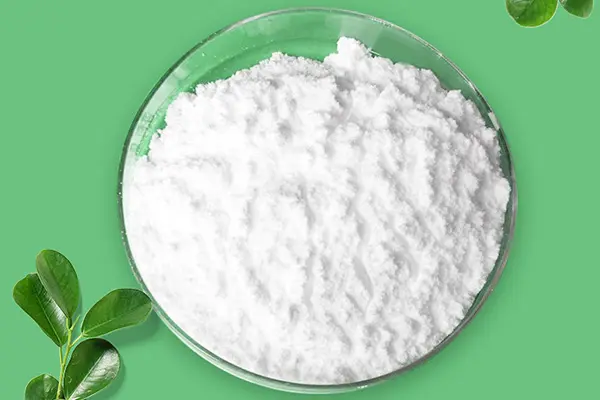
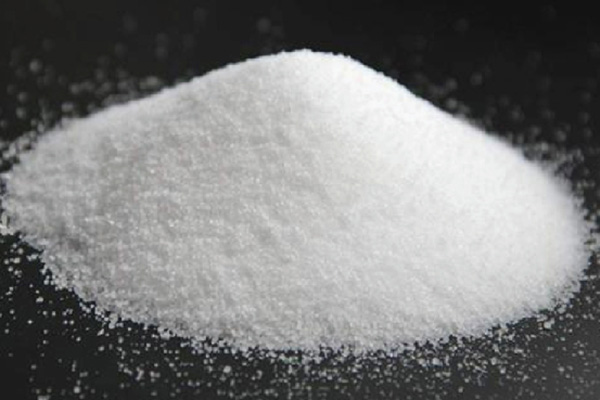
The purity and composition of Monopotassium Phosphate make it highly valued. It’s typically produced by the reaction of phosphoric acid with potassium carbonate or potassium hydroxide. The resulting product is a white, crystalline powder that is highly soluble in water, a characteristic that significantly enhances its utility in agricultural settings. Because it dissolves so easily, the phosphate and potassium components become immediately available for plant uptake. This direct availability is a major advantage over less soluble phosphate sources. Understanding this basic chemistry helps explain why MKP is such an efficient nutrient delivery system for crops. The compound itself does not contain nitrogen, making it ideal for situations where only phosphorus and potassium are needed, allowing for precise nutrient management.
Why is Monopotassium Phosphate Considered a Premier Phosphate Fertilizer?
Monopotassium Phosphate earns its reputation as a premier phosphate fertilizer for several compelling reasons, primarily its high nutrient content and exceptional purity. MKP is a concentrated source of both phosphorus (often expressed as P2O5) and potassium (expressed as K2O). Typically, agricultural-grade Monopotassium Phosphate contains around 52% P2O5 and 34% K2O. This high concentration means that smaller quantities of the product are needed to deliver significant amounts of these essential nutrients compared to many other fertilizers, making it cost-effective in terms of application and transport.
Furthermore, Monopotassium Phosphate is virtually free of chloride, sodium, and heavy metals, which can be detrimental to sensitive crops or accumulate in the soil over time. This purity makes MKP an excellent choice for high-value crops and for use in hydroponic systems or with foliar applications where leaf burn from impurities can be a concern. The absence of nitrogen in its formulation is another key advantage. While nitrogen is essential, there are specific growth stages (like flowering and fruiting) or soil conditions where additional nitrogen is undesirable. MKP allows growers to supply crucial phosphorus and potassium without adding extra nitrogen, giving them precise control over their nutrient programs. This targeted nutrition helps to promote the growth and development of plants in a balanced way, making Monopotassium Phosphate a superior choice in many agricultural scenarios.
How Does Monopotassium Phosphate (MKP) Supercharge Plant Health and Development?
Monopotassium Phosphate plays a vital role in supercharging plant health and overall growth and development by supplying two of the three primary macronutrients: phosphorus and potassium. Phosphorus, derived from the phosphate component of MKP, is fundamental for several critical plant functions. It’s a key component of ATP (adenosine triphosphate), the energy currency of plant cells, which fuels all metabolic processes. Phosphorus is also essential for root development, early plant vigor, seed formation, and efficient water use. Robust root systems, encouraged by adequate phosphate supply, allow plants to explore a larger soil volume, accessing more water and other nutrients.
The potassium provided by Monopotassium Phosphate is equally crucial. Potassium acts as an activator for numerous enzymes involved in processes like photosynthesis, protein synthesis, and carbohydrate transport. It plays a significant role in regulating the opening and closing of stomata, pores on the leaf surface that control gas exchange (CO2 uptake and water vapor release). This regulation is vital for efficient photosynthesis and for helping plants cope with drought stress. Potassium also strengthens cell walls, improving plant rigidity, disease resistance, and tolerance to environmental stresses such as cold and heat. By providing both phosphorus and potassium in a readily available form, Monopotassium Phosphate supports enhanced flowering, improve fruit quality, size, and shelf life, contributing significantly to higher yields and better crop quality. It truly helps accelerate maturation and improve overall plant resilience.
Decoding the Magic: What is the Mechanism of Action for Monopotassium Phosphate in Plants?
The "magic" behind Monopotassium Phosphate‘s effectiveness lies in its straightforward mechanism of action once applied. When MKP is dissolved in water, it dissociates into potassium ions (K+) and dihydrogen phosphate ions (H2PO4-). These ions are the forms in which plants can absorb these essential nutrients. The plant roots actively take up these ions from the soil solution. The H2PO4- ion is the primary form of phosphate absorbed by plants, especially in slightly acidic to neutral soil conditions, making MKP particularly effective.
Once inside the plant, the phosphate ions are rapidly incorporated into various organic compounds. As mentioned, phosphorus becomes part of ATP, DNA, RNA, and phospholipids (components of cell membranes). This involvement in fundamental cellular structures and energy transfer processes means that an adequate supply of phosphate via Monopotassium Phosphate fuels overall plant growth, from cell division to the transformation of nutrients into usable forms. Simultaneously, the potassium ions are transported throughout the plant, where they fulfill their roles in enzyme activation, osmotic regulation (maintaining turgor pressure), and improving the transport of sugars produced during photosynthesis from the leaves to other parts of the plant, such as fruits and roots. This efficient uptake and utilization of both potassium and phosphorus from Monopotassium Phosphate ensures that plants have the building blocks they need to thrive, leading to healthier, more productive crops.

Versatile Applications: Where is Monopotassium Phosphate (MKP) Most Effectively Used in Agriculture?
Monopotassium Phosphate (MKP) boasts a wide range of applications in agriculture and industry, but its versatility truly shines in farming. It is suitable for various soils and crops, making it a go-to fertilizer for many growers. MKP is particularly effective during growth stages that demand high levels of phosphorus and potassium, such as during root development, flowering, and fruit set. For instance, crops like tomatoes, peppers, cucumbers, strawberries, and fruit trees benefit immensely from Monopotassium Phosphate applications, which can significantly increase the number of flowering events, improve fruit setting rate, and enhance overall fruit quality, including sugar content and color. It’s also widely used for field crops like soybean, potatoes, and cotton.
The high solubility of Monopotassium Phosphate makes it ideal for modern application methods. It’s commonly used in:
- Fertigation: Applying MKP through irrigation systems (drip irrigation, sprinklers) ensures that the nutrients are delivered directly to the plant roots in a readily available form. This method is highly efficient, minimizing nutrient loss and allowing for precise control over application rates.
- Foliar Spraying: Monopotassium Phosphate is an excellent choice for foliar feeding. When sprayed onto leaves, plants can absorb phosphorus and potassium directly through their foliage. This is particularly useful for correcting deficiencies quickly or providing a nutrient boost during critical growth stages when root uptake might be limited. Foliar application of MKP can also help plants resist certain fungal diseases.
- Hydroponics: In soilless culture systems, MKP is a standard ingredient in nutrient solutions due to its purity and complete solubility. It provides essential phosphate and potassium without adding unwanted elements.
This adaptability to different crops, soil types, and application techniques underscores why Monopotassium Phosphate is a favored compound fertilizer component for achieving optimal crop performance.
Is Monopotassium Phosphate (MKP) Truly Water Soluble and User-Friendly?
Absolutely! One of the standout features of Monopotassium Phosphate (MKP) is its excellent solubility in water. This characteristic is paramount for its effectiveness as a fertilizer and contributes significantly to its user-friendliness. When Monopotassium Phosphate powder is added to water, it dissolves quickly and completely, forming a clear solution without leaving behind any significant residue. This high solubility means that the phosphate and potassium nutrients are immediately available for plant uptake, whether applied to the soil, through fertigation systems, or as a foliar spray.
This ease of dissolution makes Monopotassium Phosphate incredibly convenient for farmers and agricultural professionals. There’s no need for complex mixing procedures or concerns about clogged irrigation lines or spray nozzles, which can be an issue with less soluble phosphate fertilizers. The ability to create a concentrated stock solution that can then be diluted for application further simplifies its use. This water-soluble fertilizer nature ensures uniform distribution of nutrients, leading to more consistent plant growth across the field. The fact that it’s a soluble salt ensures that the ion forms of phosphorus and potassium are readily present, maximizing absorption efficiency by plant roots or leaves. This user-friendliness, combined with its potent nutrient content, makes Monopotassium Phosphate a highly practical and effective choice.
Beyond the Fields: Does Monopotassium Phosphate Have Other Industrial Uses?
While Monopotassium Phosphate is renowned for its agricultural applications, its useful properties extend into various other industrial applications. Its role as a buffering agent is significant. A buffering agent helps to maintain a stable pH in solutions, resisting changes when an acid or alkali is added. This property makes Monopotassium Phosphate valuable in the food industry. For instance, monopotassium phosphate is also used as a food additive (E340(i)) where it can function as an acidity regulator, sequestrant (binding metal ions), or yeast food in baking. You might find it in products like baking powder as a leaven, helping dough to rise.
The food additive applications don’t stop there. Monopotassium Phosphate is sometimes used as an electrolyte source in sports drinks like Gatorade and other beverages to help replenish potassium lost during exercise. Its ability to provide potassium ions makes it a useful potassium supplement in certain food products. Beyond food, MKP finds use in non-agricultural sectors. For example, it has been utilized in some formulations of fire extinguishers (specifically dry chemical types) due to its ability to coat surfaces and smother flames. Furthermore, in biochemistry and drug discovery, high-purity grades of Monopotassium Phosphate are used in the preparation of buffer solutions for laboratory experiments and various biochemical processes, underscoring the versatility of this inorganic compound. Its precise chemical nature and ability to provide specific ions like phosphate ions and potassium ions make it a useful tool in diverse scientific and industrial settings. Kands Chemical also offers related phosphate products like Sodium Hexametaphosphate, which has distinct industrial uses.
Why is Monopotassium Phosphate a Cornerstone of Sustainable and Efficient Farming?
Monopotassium Phosphate (MKP) has become a cornerstone of sustainable agriculture and efficient farming practices due to several key attributes. Its high-concentration of readily available nutrients—specifically phosphorus and potassium—means that farmers can apply precise amounts tailored to crop needs, minimizing waste and reducing the risk of nutrient runoff into waterways. This targeted nutrition is a critical component of environmentally responsible farming. By providing exactly what the plant needs, when it needs it, MKP helps to optimize nutrient use efficiency, a core principle of sustainable agriculture.
The purity of Monopotassium Phosphate also contributes to its sustainability profile. Being virtually free of chlorides, sodium, and heavy metals, it avoids the detrimental soil buildup that can occur with less pure fertilizers, thus preserving long-term soil plant health. Furthermore, by promoting robust plant growth, strong root systems, and improved stress tolerance, MKP helps crops to utilize water and other resources more efficiently. Healthier plants are often more resistant to pests and diseases, potentially reducing the need for chemical interventions. The ability to use Monopotassium Phosphate in efficient application methods like fertigation and foliar spraying further enhances nutrient uptake and reduces losses, making it an economically and environmentally sound choice. For farmers aiming to maximize yields while minimizing environmental impact, MKP offers a powerful tool to achieve better plant health and contribute to a more sustainable food production system. The balanced phosphate and potassium it provides is key.
Monopotassium Phosphate vs. The World: How Does It Stack Up Against Other Phosphate Fertilizers?
When comparing Monopotassium Phosphate (MKP) to other phosphate fertilizers, its unique combination of characteristics makes it stand out. Common phosphate fertilizers include Diammonium Phosphate (DAP), Monoammonium Phosphate (MAP), and Triple Superphosphate (TSP). While these are effective sources of phosphorus, MKP offers distinct advantages. Firstly, Monopotassium Phosphate provides both phosphorus and potassium, a combination not found in DAP, MAP, or TSP, which primarily supply phosphate (and nitrogen in the case of DAP and MAP). This dual-nutrient supply makes MKP a more complete fertilizer for stages where both P and K are critical, simplifying application.
Secondly, MKP is chloride-free, which is a significant benefit for chloride-sensitive crops (like strawberries, lettuce, and many fruit trees) where fertilizers containing potassium chloride (Muriate of Potash) can cause damage. Its low salt index also reduces the risk of seedling burn when applied near seeds or young plants. The high solubility of Monopotassium Phosphate is another key differentiator, especially when compared to some granular phosphate products that may dissolve more slowly. This makes MKP ideal for fertigation and foliar applications where quick dissolution and availability are crucial. While other products like Dipotassium Phosphate also offer soluble potassium and phosphate, Monopotassium Phosphate (KH2PO4) has a specific P:K ratio and a more acidic nature in solution, which can be beneficial in alkaline soils by helping to mobilize micronutrients. The absence of nitrogen in MKP also allows for more precise nutrient management, unlike MAP or DAP, enabling growers to tailor nitrogen inputs separately. This flexibility makes Monopotassium Phosphate a preferred choice for targeted nutrition.
Safety and Best Practices: What Should You Know Before Using Monopotassium Phosphate Fertilizer?
While Monopotassium Phosphate (MKP) is a highly effective and relatively safe fertilizer, following best practices for its use and handling is essential to maximize benefits and avoid potential issues. Proper storage is important; MKP should be stored in a cool, dry place, away from moisture, as it is hygroscopic (tends to absorb moisture from the air) which can lead to caking. Keep bags well-sealed to maintain the powder quality. When handling, although Monopotassium Phosphate is not highly toxic, it’s advisable to wear gloves and eye protection to avoid skin or eye irritation, especially when working with the concentrated powder.
Regarding application, it’s crucial to follow recommended dosage rates for specific crops and growth stages. Over-application of any fertilizer, including MKP, can lead to nutrient imbalances in the soil or even cause damage to plants. Soil testing can help determine the precise needs for phosphorus and potassium, allowing for more accurate application. For foliar spraying, ensure the solution concentration is appropriate to prevent leaf scorch, and avoid spraying during the hottest part of the day or under intense sunlight. Consider weather conditions; for example, avoid applying just before heavy rain which could wash the fertilizer away. Using Monopotassium Phosphate strategically can help prevent issues like lodging (the bending over of plant stems) by promoting strong stem development, especially when balanced with other nutrients. It’s also important to ensure that your Monopotassium Phosphate source is of high quality, as impurities in lower-grade products can affect performance. Companies like Kands Chemical are known for reliable chemical products, including various phosphate compounds such as Trisodium Phosphate and even sulfates like Ammonium Sulfate, which also requires careful handling. By adhering to these guidelines, users can safely and effectively harness the power of Monopotassium Phosphate fertilizer.
Key Takeaways: The Power of Monopotassium Phosphate
To make the most of Monopotassium Phosphate (MKP), remember these crucial points:
- Dual Nutrient Powerhouse: MKP (KH2PO4) is an exceptional source of both phosphorus (P) and potassium (K), two essential nutrients vital for plant growth and development.
- Highly Soluble: Its excellent water solubility ensures that phosphate and potassium are quickly available to plants, making it ideal for fertigation and foliar applications.
- Purity Matters: Monopotassium Phosphate is typically chloride-free and has a low salt index, making it safe for sensitive crops and reducing soil salinity issues.
- Versatile Applications: Effective for a wide range of crops and suitable for various soils, particularly beneficial during flowering, fruit set, and root development stages to improve fruit quality and yield.
- Boosts Plant Health: Strengthens plants against stress, improves disease resistance, enhances photosynthesis, and promotes robust root systems.
- Precision Nutrition: The absence of nitrogen allows for precise control over nutrient programs, allowing growers to tailor phosphorus and potassium inputs.
- Industrial Uses: Beyond agriculture, Monopotassium Phosphate serves as a buffering agent, food additive (e.g., in sports drinks, baking powder), and in other industrial applications.
- Sustainable Choice: Its high efficiency and targeted application contribute to more sustainable farming practices by optimizing nutrient use and minimizing environmental impact.
- Handle with Care: Always follow recommended application rates and safety precautions for storage and handling to achieve the best results.
Post time: May-08-2025