

This article dives deep into sodium metabisulfite, also known as sodium metabisulphite, a vital industrial chemical. If you are a procurement officer or business owner, understanding this compound is key. We’ll explore its uses in food and beverages, its chemical properties, safety regulations, and how to source it reliably. Think of this as your complete handbook for making informed purchasing decisions about sodium metabisulfite. This guide is worth reading because it translates complex chemical information into practical business intelligence, helping you protect your production line, ensure product quality, and make cost-effective choices.
What Exactly Is Sodium Metabisulfite and What Is Its Chemical Composition?
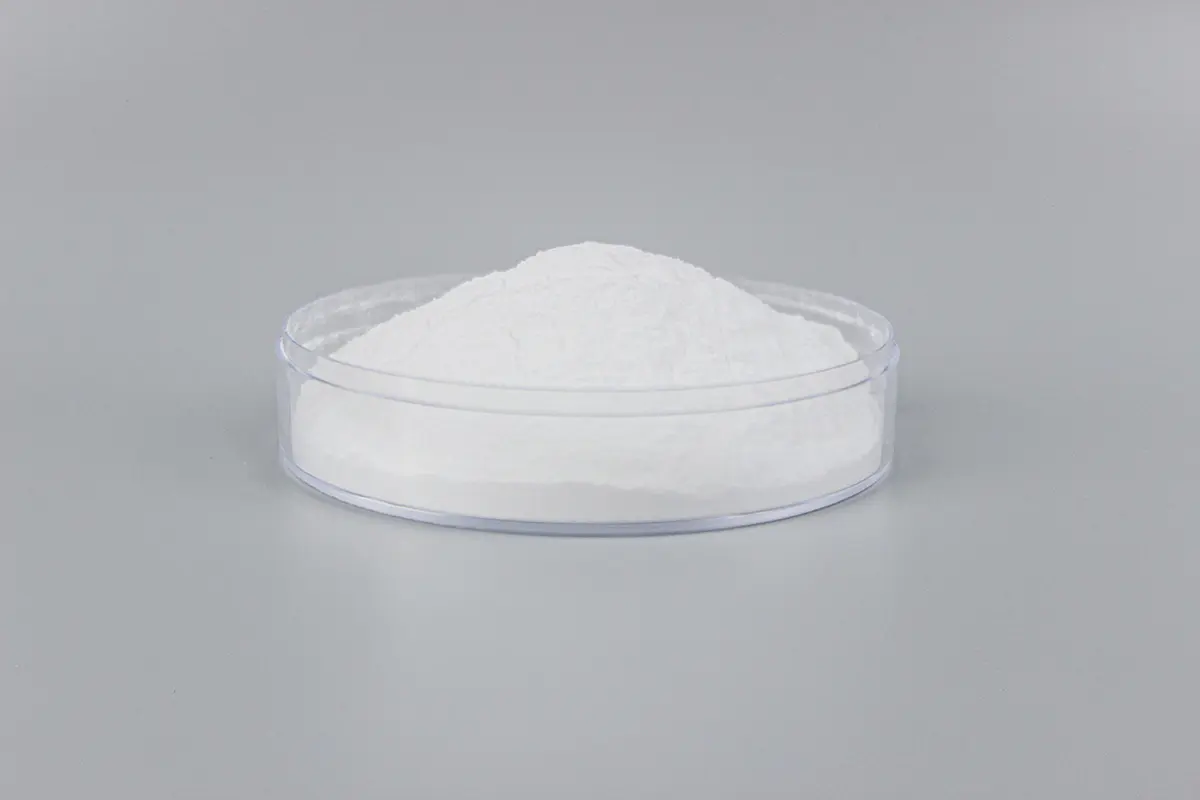
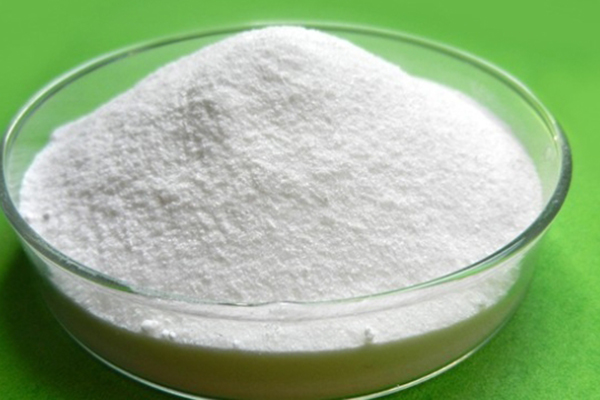
Sodium metabisulfite, often abbreviated as SMBS, is an inorganic salt. Its chemical formula is Na₂S₂O₅. You might see it on ingredient lists as E223. It looks like a white or yellowish-white crystalline powder and has a distinct, faint smell of sulfur. It’s not something you’d find in nature. Instead, it is created in a lab or factory setting.
The manufacture process typically involves treating a solution of sodium hydroxide or sodium carbonate with an excess of sulfur dioxide gas. This reaction creates the stable powder form that is easy to transport and store. When this powder is dissolved in water, it doesn’t stay as sodium metabisulfite. Instead, it forms sodium hydrogen bisulfite (NaHSO₃), which is the true active agent in many of its applications. This conversion is why its solubility in water is a key technical specification. The resulting sulfite solution is what performs the work. This chemical preparation is key to its function.
How Does Sodium Metabisulfite Work as a Preservative in Food and Beverages?
The main job of sodium metabisulfite in food is to act as a preservative and antioxidant. How does it do this? First, as a preservative, it releases sulfur dioxide when mixed with water and acidic components in food. This gas is excellent at stopping the growth of unwanted microorganisms. It can inhibit the growth of molds, bacteria, and wild yeast, which would otherwise spoil the food. This helps to extend the shelf life of many products.
Second, as an antioxidant, it fights against oxidation. Many foods turn brown or lose their flavor when exposed to the air. This is because an enzyme in the food can react with oxygen. This is why the food additive is so valuable; it’s a powerful antioxidant that helps prevent the oxidation process. Sodium metabisulfite is a powerful reducing agent, which means it readily gives up its electrons to stop this process. It essentially sacrifices itself to keep the food from going bad or to oxidise. This dual-action capability makes it an incredibly effective and widely commonly used additive.
What are the Most Common Applications of Sodium Metabisulfite in the Food Industry?
The versatility of sodium metabisulfite means it’s found in a surprising number of items on store shelves. Its ability to preserve and protect is valued across many sectors. Here are some of its primary roles:
- Winemaking: In winemaking, it’s a star player. It’s used to sanitize equipment and, more importantly, to stop the fermentation process at the right moment. It also prevents unwanted bacteria and wild yeasts from turning the wine into vinegar.
- Dried Fruit: That vibrant color you see in dried fruit like apricots and raisins? You can often thank sodium metabisulfite for that. It’s used to prevent the browning that would naturally occur as the fruit dries.
- Potato Products: Ever wonder why frozen french fries or dehydrated potato flakes stay white? It’s the same principle. The compound is used to stop the oxidase activity that causes spuds to turn grey or brown after being cut.
- Seafood: In the fishing industry, especially for shrimp and prawns, a bisulfite solution is often used as a dip. This prevents a condition called melanosis, or "black spot," where the shell darkens after harvesting.
- Baked Goods: For bread and crackers, sodium metabisulphite is used as a dough conditioner. It works by breaking a specific chemical bond in protein networks (specifically disulfide bonds), which makes the dough more pliable and easier to work with. It helps achieve a consistent texture in various baked goods and even some meat products like sausage. It’s used in making sausage rolls and other pastries, sometimes alongside other preservatives like Sodium Acetate.
Are There Different Grades of Sodium Metabisulfite for Various Applications?
Absolutely. This is a critical point for any buyer. Not all sodium metabisulfite is created equal, and using the wrong grade can have serious consequences. The two main categories are Food Grade and Technical Grade.
| Grade Type | Purity & Standards | Common Uses |
|---|---|---|
| Food Grade | High purity. Must meet strict standards set by bodies like the Food and Drug Administration in the U.S. and equivalent bodies in the EU. Low levels of impurities like heavy metals. | Food preservation, beverage production, some pharmaceutical applications. |
| Technical Grade | Lower purity. Suitable for industrial processes where ingestion is not a factor. | Water treatment (dechlorination), textile industry (bleaching agent), photography, mining. |
As a procurement officer, it is your responsibility to ensure you are purchasing the correct grade for your intended application. Always request a Certificate of Analysis (COA) from your supplier. The COA provides detailed information about the product’s purity, solubility, and compliance with regulatory standards, ensuring food safety. Because it is highly soluble in water, its application is straightforward.
What Should a Procurement Officer Know About the Manufacture and Quality Control of This Chemical?
As someone who oversees production lines, I can tell you that consistency is everything. When you’re buying a chemical like sodium metabisulphite, you’re not just buying a powder; you’re buying a promise of performance. The preparation and manufacture process must be tightly controlled. This includes monitoring reaction temperatures, pH levels, and the purity of the raw materials like sulfur and alkali. This soluble powder is the backbone of many production processes.
For a buyer like Mark, quality control is paramount. Here’s what you should look for in a supplier:
- ISO Certification: This shows the manufacturer has a robust quality management system in place.
- Batch Traceability: Every bag or container should have a batch number, allowing you to trace it back to its production date and quality tests.
- Comprehensive COA: As mentioned, the Certificate of Analysis is non-negotiable. It should confirm the product meets your specifications for purity, moisture content, and heavy metal limits.
- Responsive Communication: A good supplier will be able to answer your technical questions about the product’s properties, such as how it might react with other ingredients in your formulation. This open dialogue prevents costly mistakes down the line and ensures you get the right additive for your process.
Is Sodium Metabisulfite Safe, and What Are the Regulations Around Its Use?
Safety is a two-part conversation: safety for the consumer and safety for the workers handling the chemical. For consumers, sodium metabisulfite is "Generally Recognized as Safe" (GRAS) by the FDA when used within specified limits. However, there’s a big exception: sulfites. Sodium metabisulfite is a type of sulfite, and some people have a sensitivity or allergy to these compounds. The term sulphite is also used. This can be a serious allergy for some.
This is particularly true for individuals with asthma. For this reason, regulations are strict. In the United States, the presence of sulfites at a level of 10 parts per million (ppm) or more must be declared on food labels. This allows sensitive consumers to avoid products that could trigger an allergic reaction, which can range from a mild headache or skin rash to severe respiratory distress. The FDA even banned the use of sulfites on fresh fruits and vegetables intended to be sold or served raw to consumers, like in salad bars. An important label must be present.
How is Sodium Metabisulfite Handled and Stored Safely in a Manufacturing Environment?
For workers, sodium metabisulfite is a hazardous material that requires careful handling. It is corrosive to the skin and eyes, and you must not inhale the dust. When it comes into contact with acids or water, it releases toxic sulfur dioxide gas, a powerful respiratory irritant. This gas is a potent sulfite irritant. Exposure to the sulfur dioxide can be dangerous. When it comes into contact with moisture, it can slowly decompose and release this gas.
Here are the essential safety protocols for your facility:
- Storage: Store SMBS in a cool, dry, well-ventilated area away from heat and direct sunlight. It should be kept in tightly sealed containers. Keep it separate from acidic materials and oxidizers.
- Handling: Anyone working with the powder must wear appropriate Personal Protective Equipment (PPE), including safety goggles, gloves (neoprene or nitrile), and a dust mask or respirator.
- Spill Cleanup: Spills should be cleaned up promptly without creating dust. Small spills can be neutralized with a soda ash or lime solution before being washed down. Large spills require professional handling.
- First Aid: Have eye wash stations and safety showers readily available. If contact occurs, flush the affected area with water for at least 15 minutes. If inhaled, move the person to fresh air immediately.
What is the Difference Between Sodium Metabisulfite and Potassium Metabisulfite?
This is a common question, as both compounds serve very similar purposes. In fact, sodium metabisulfite can be used interchangeably with potassium metabisulfite in many cases. Both are a type of sulfite that act as preservatives and antioxidants. They both release sulfur dioxide to do their job. The key difference lies in the cation part of the molecule: sodium (Na⁺) versus potassium (K⁺).
| Feature | Sodium Metabisulfite (SMBS) | Potassium Metabisulfite (KMS) |
|---|---|---|
| Cation | Sodium (Na⁺) | Potassium (K⁺) |
| SO₂ Contribution | Provides slightly more SO₂ per gram (approx. 67%) | Provides slightly less SO₂ per gram (approx. 58%) |
| Taste Contribution | Can add a slightly salty taste in high concentrations. | Contributes potassium, which can be desirable in some applications (like wine) and less so in others. |
| Common Use | Very broad, including food, water treatment, textiles. | Very popular in winemaking and brewing, as potassium is naturally present in grapes. |
The choice between the two often comes down to the specific formulation needs of the final product. For example, in low-sodium food products, potassium metabisulfite would be the logical choice. In other industrial applications where mineral content is irrelevant, the decision may be based purely on cost and availability. We also supply other potassium-based chemicals, such as high-quality Potassium Sulfate, for various industrial needs.
How Does Sodium Metabisulfite Interact at a Cellular Level?
This is a more technical question, but it gets to the heart of why this compound is so effective. When the bisulfite ion (HSO₃⁻) enters a microbial cell, it disrupts its fundamental processes. The sulfite can react with key enzymes, effectively shutting them down. It also interferes with the cell’s energy production pathway.
Furthermore, the bisulfite can pass through the cell membrane and alter the internal pH, creating an environment where the microbe cannot survive. It’s a multi-pronged attack. This is particularly effective against microorganisms that don’t have robust defense mechanisms. This same ability to react with cellular components is why it works as a preservative in products like dried fruit and other foods. The sulfite essentially stops unwanted cellular activity, whether from microbes or from the food’s own enzymes. This makes the bisulfite additive highly effective. A single sulfite molecule can have a significant impact.
How Can I Ensure I am Sourcing High-Quality Sodium Metabisulphite from a Reliable Supplier?
As a manufacturer myself, I understand the challenges my customers like Mark face. Your production line depends on the quality and timeliness of the components and chemicals you source. Sourcing a chemical like sodium metabisulphite is no different. You need a partner, not just a supplier.
Here’s what to look for to build that reliable partnership:
- Transparent Communication: Your supplier’s sales and technical teams should be easy to reach and knowledgeable. They should understand your pain points, like avoiding shipment delays and ensuring consistent quality.
- Verified Quality: Don’t just take their word for it. Request product specifications, a sample for testing in your own lab, and the all-important Certificate of Analysis for every shipment. This diligence prevents discrepancies in material quality or dimensions.
- Logistical Expertise: A good supplier understands international shipping. They can advise on the best shipping methods, handle customs documentation, and provide accurate lead times to help you manage your production schedules.
- Fair Pricing and Payment: While quality is king, pricing must be competitive. Look for suppliers who offer fair market value and flexible payment terms that work for your business model. A good partner is invested in your success. They understand that you need cost-effective materials like Tricalcium Phosphate or sodium metabisulfite to remain competitive.
What Are the Non-Food Related Industrial Uses of this Additive?
While its role as a food additive is well-known, sodium metabisulfite is a workhorse in many other industries. Its powerful reducing agent and disinfecting properties make it incredibly useful. Understanding these applications can give you a fuller picture of this versatile compound.
For instance, in water treatment, it is used as a preservative to remove excess chlorine from treated water (dechlorination) before it is discharged into rivers, protecting aquatic life. In the textile industry, it acts as a bleaching agent for wool and jute. Photographers use it in developing solutions to stop the development process (a "stop bath"). The mining industry uses it to separate metals, and it is a key starting material in the synthesis of other chemicals like thiolsulfate. The pharmaceutical industry uses it as an antioxidant to protect drugs that might otherwise oxidize and lose their effectiveness. This is similar to other useful chemicals like Sodium Bicarbonate, which also has both food and industrial applications.
Key Takeaways
To make the best purchasing decision, remember these key points about sodium metabisulfite:
- Dual Function: It’s both a powerful preservative that inhibits microbial growth and an antioxidant that prevents browning and spoilage.
- Grade is Critical: Always choose between Food Grade and Technical Grade based on your application. Never use Technical Grade in food products.
- Safety First: It requires careful handling due to its corrosive nature and the release of sulfur dioxide gas. For consumers, it is a known allergen (sulfite) and must be declared on food labels.
- Quality Verification: A reliable supplier will always provide a Certificate of Analysis (COA) and have transparent quality control processes.
- Versatile Applications: Its uses extend far beyond food, including water treatment, textiles, and photography, making it a major industrial chemical.
Post time: Jul-23-2025