

Sodium Hexametaphosphate, often abbreviated as SHMP, is one of the most versatile and functional inorganic compounds used across a wide variety of industries today. If you’re a procurement officer, a business owner, or an engineer, you’ve likely encountered this powerful ingredient, perhaps listed as E452i on a food label or as a key component in your water treatment process. Understanding its properties, applications, and what to look for in a quality supply chain is crucial for maintaining production efficiency and product excellence. This article will serve as your complete guide, demystifying sodium hexametaphosphate and providing the expert insights you need to make confident purchasing decisions. We will dive deep into its chemical nature, explore its many uses from food preservation to industrial cleaning, and address critical factors like safety and supplier reliability.
What Exactly Is Sodium Hexametaphosphate (SHMP)?
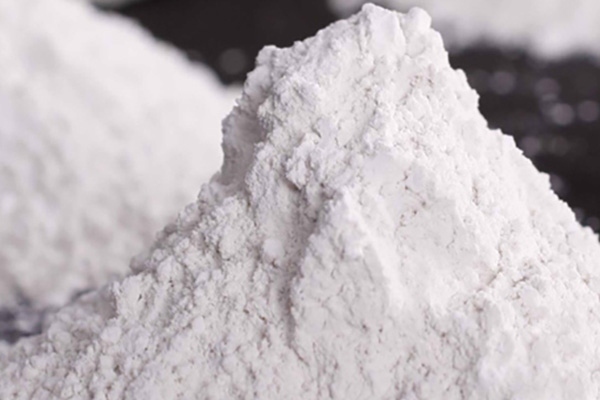
At its core, sodium hexametaphosphate is an inorganic compound, a salt that belongs to the polyphosphate family. You might see its chemical formula written as (NaPO₃)₆, but this is a bit of a simplification. The truth is, the sodium hexametaphosphate of commerce is typically not a single, pure compound. Instead, sodium hexametaphosphate is a mixture of various long-chain sodium polyphosphates. This is why it is often more accurately called sodium polymetaphosphate. The "hexa" part of the name, suggesting six phosphate units, refers to the hexamer is one component of this mixture, but the actual chains can vary in length.
This mixture of polymeric metaphosphates is precisely what gives SHMP its incredible functionality. Each phosphate group in the long, repeating chain has the ability to interact with its environment in unique ways. Think of it as a long chemical toolkit where different parts of the chain can grab onto minerals, disperse particles, or help liquids mix. This structure makes sodium hexametaphosphate a highly effective multi-purpose agent, which is why it’s a staple in so many different industrial applications.
Unpacking the Chemistry: Is SHMP the Same as Graham’s Salt?
When researching sodium hexametaphosphate, you might come across the term Graham’s Salt. This can be confusing, but the two are essentially the same. The name "Graham’s Salt" is a historical term, named after the 19th-century chemist Thomas Graham who extensively studied phosphoric acid and its various salts, including metaphosphates. He was the first to identify this glassy, amorphous form of sodium metaphosphate. So, Graham’s Salt is simply the original name for the amorphous (non-crystalline), water-soluble sodium polymetaphosphate that we now commercially refer to as SHMP.
The commercial product known as sodium hexametaphosphate is a complex blend. The actual hexamer is one of many metaphosphate structures present. It is more accurately a sodium polyphosphate. The mixture contains sodium trimetaphosphate and sodium tetrametaphosphate, along with other longer-chain polymers. This combination of different chain lengths is crucial, as it enhances the compound’s overall performance as a sequestrant and dispersing agent. So, while the name is a bit of a misnomer, it has stuck in the industry. For practical purposes, when a supplier talks about SHMP, they are talking about this effective blend, the modern successor to what was once called Graham’s Salt.
How is Industrial-Grade Sodium Hexametaphosphate Produced?
The production of sodium hexametaphosphate is a fascinating example of thermal chemistry. The process begins with specific raw materials, primarily a form of orthophosphate like monosodium phosphate (NaH₂PO₄). This initial substance is essentially a single phosphate unit linked to sodium. The magic happens through a process of heating, known as thermal polymerization.
During this process, the monosodium phosphate is heated to high temperatures, well above 620°C. This intense heat causes a dehydration reaction, where water molecules are driven off. As the water leaves, the individual phosphate units begin to link together, forming the long, chain-like structures of polyphosphate. This is a condensation polymerization reaction. The molten material is then cooled very rapidly, or "quenched," which results in the glassy, amorphous solid we know as SHMP. The final product’s properties can be adjusted based on the precise control of temperature and cooling rate. In some processes, sodium carbonate is sometimes added to SHMP to modify its properties for specific uses. For instance, carbonate is sometimes added to SHMP to raise the ph to 8.0–8.6, making it more suitable for certain cleaning or food applications.
What are the Key Functional Properties of Sodium Hexametaphosphate?
The immense value of sodium hexametaphosphate comes from a handful of key properties that make it a powerful problem-solver in many formulations. Understanding these functions is key to leveraging SHMP effectively in your products.
-
Sequestration: This is arguably the most important property of SHMP. It is a premier sequestrant, meaning it can bind with and "lock up" positively charged metal ions, particularly divalent and trivalent ions like calcium (Ca²⁺), magnesium (Mg²⁺), and iron (Fe³⁺). By forming stable, water-soluble complexes with these minerals, sodium hexametaphosphate effectively removes them from solution, preventing them from causing problems like scaling, precipitation, or discoloration. This is the principle behind its use in water softening.
-
Dispersion: SHMP is an excellent dispersing agent, also known as a deflocculant. It adsorbs onto the surface of fine particles in a liquid, giving them a negative charge. This causes the particles to repel each other, preventing them from clumping together (flocculating) and settling out. This property is vital in industries like ceramics, paints, and drilling muds, where maintaining a stable, uniform suspension is critical.
-
Emulsification: As an emulsifier, sodium hexametaphosphate helps to mix and stabilize ingredients that don’t normally combine, like oil and water. It achieves this by interacting with proteins and other components in a mixture, creating a stable matrix. This is a key reason why shmp is used as a food additive in processed meats, cheeses, and imitation dairy products.
-
Texturizing & Thickening: In the food industry, SHMP also acts as a texturizer and thickener. It can modify the viscosity and mouthfeel of products. For example, it helps to create a smooth, consistent texture in sauces, syrups, and frozen desserts, preventing the formation of ice crystals.
Here’s a quick summary of its key properties:
| Property | Description | Key Applications |
|---|---|---|
| Sequestrant | Binds metal ions like calcium and iron. | Water treatment, detergents, food preservation. |
| Dispersing Agent | Keeps fine particles suspended in liquids. | Ceramics, pigments, industrial cleaners. |
| Emulsifier | Helps mix oil and water; stabilizes proteins. | Processed cheese, sausage, whipped toppings. |
| Texturizer | Improves mouthfeel and consistency. | Sauces, syrups, canned goods. |
Why is Sodium Hexametaphosphate a Go-To Solution for Water Treatment?
Water treatment is one of the largest industrial uses for sodium hexametaphosphate, and for good reason. Its powerful sequestering ability makes it an incredibly effective tool for managing mineral content in both municipal and industrial water systems. When hard water, which is rich in calcium and magnesium, is heated or flows through pipes, it leaves behind mineral deposits known as scale. This scale can clog pipes and other equipment, reduce heating efficiency, and eventually lead to costly failures.
By adding a small amount of SHMP to the water, these scale-forming minerals are "captured" before they can precipitate. The sodium hexametaphosphate keeps them dissolved, allowing them to flow harmlessly through the system. This process is often called threshold treatment because a very small concentration is needed to be effective. Furthermore, SHMP can also be used to control corrosion by forming a thin protective layer of phosphate on the inside of metal pipes, and it helps prevent "red water" by sequestering iron. This dual-action capability as a dispersing and antiscale agent makes it a cost-effective solution for extending the life of plumbing and industrial machinery. Its use in this area highlights the importance of reliable chemical partners who can provide a range of water treatment solutions, such as high-purity Copper Sulfate for algae control.
What Role Does SHMP (E452i) Play as a Food Additive?
As a food additive, sodium hexametaphosphate is identified by the E number E452i. It is used in a variety of products to improve texture, stability, and shelf life. The safety when used in food has been affirmed by regulatory bodies worldwide, which classify it as a multi-purpose emulsifier, stabilizer, texturizer, and sequestrant. Because SHMP is so effective, only very small amounts are needed to achieve the desired effect.
Here are some of its primary roles in the food and beverage industry:
- Meat and Seafood Processing: In meat processing, such as for hams and sausages, SHMP helps the meat retain moisture, resulting in a juicier, more tender product. In canned seafood like tuna, it prevents the formation of struvite crystals (harmless glass-like crystals), which can be off-putting to consumers.
- Dairy and Imitation Products: As an emulsifier, sodium hexametaphosphate is crucial in making processed cheese, preventing the separation of fat and creating a smooth, uniform melt. It’s also commonly used in whipped toppings and coffee creamers to improve stability.
- Beverages and Syrups: In products like artificial maple syrup and fruit juices, SHMP acts as a texturizer and sequestrant, improving mouthfeel and preventing cloudiness or settling of pulp.
- Other Uses: It is used in certain other foods like packaged egg whites to maintain their whipping properties and in frozen potatoes to prevent after-cooking darkening. The versatility of phosphates in food is vast, with products like Sodium Acid Pyrophosphate also playing key roles as leavening agents in baked goods.
Beyond Food and Water: What are the Other Major Industrial Applications of SHMP?
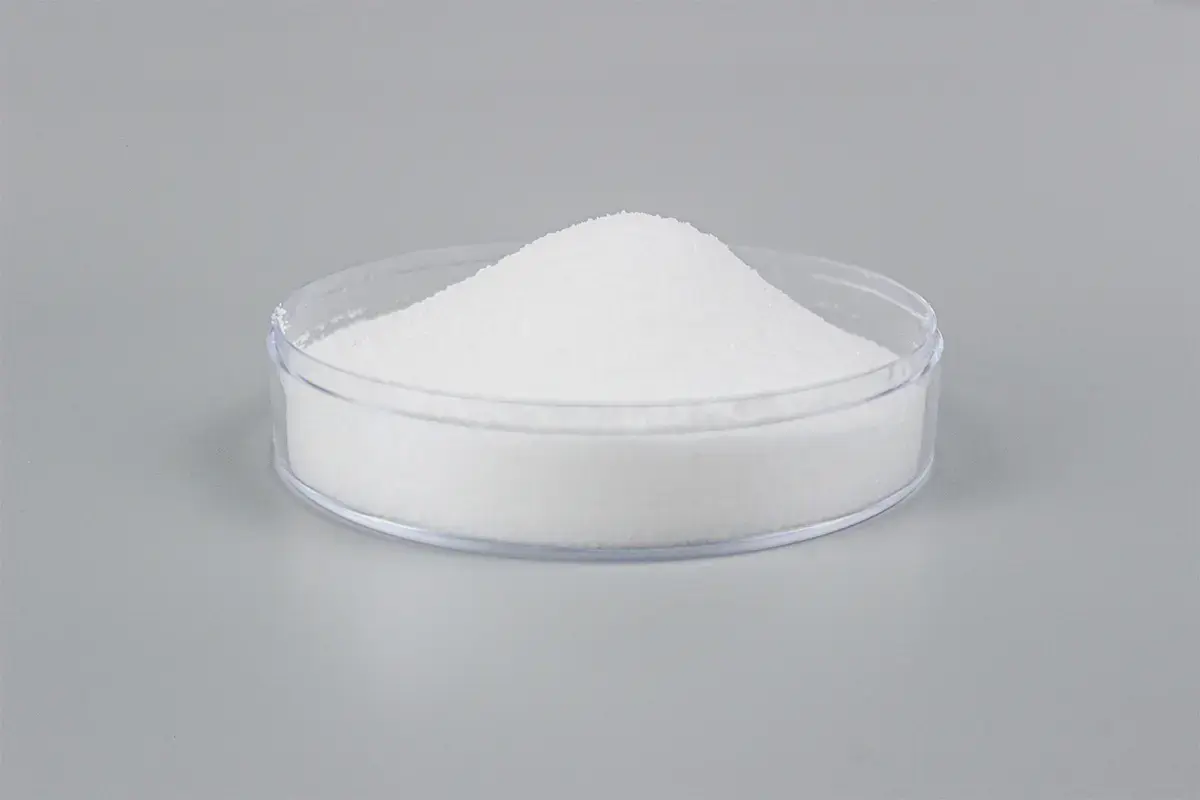
The utility of sodium hexametaphosphate extends far beyond the kitchen and the water main. Its unique properties are leveraged across a wide variety of industries, demonstrating its incredible versatility. As a procurement professional, understanding this broad applicability can open doors to supply chain consolidation and cost savings.
One of the most significant non-food uses is in the formulation of cleaning products. SHMP is a key ingredient in many industrial and household detergents. Its ability to perform water softening by sequestering calcium and magnesium ions allows surfactants (the primary cleaning agents) to work much more effectively. It also acts as a dispersing agent, lifting dirt and grime from surfaces and keeping it suspended in the wash water so it can be easily rinsed away.
Another major application is in the ceramics and clay industry. Sodium hexametaphosphate is used as a dispersing agent (or deflocculant) to lower the viscosity of clay slurries. This allows for easier pouring and molding, resulting in a more uniform and higher-quality final product. In the dental field, sodium hexametaphosphate is used as an active ingredient in toothpaste and mouthwashes. It is highly effective for anti-staining and tartar prevention, as it sequesters the minerals in saliva that would otherwise form calculus (tartar) on teeth.
Is Sodium Hexametaphosphate Safe? A Look at Global Regulations.
For any procurement officer, safety and regulatory compliance are non-negotiable. When it comes to sodium hexametaphosphate, you can be confident in its established safety profile. Decades of use and scientific review have confirmed its safety for both industrial and consumer applications when used as intended. In the United States, the Food and Drug Administration (FDA) has classified food grade sodium hexametaphosphate as Generally Recognized as Safe (GRAS). This designation is given to substances that have a long history of common use in food or are determined to be safe based on extensive scientific evidence.
Similarly, the European Food Safety Authority (EFSA) has evaluated SHMP (as E452i) and established an acceptable daily intake (ADI). The ADI represents the amount of a substance that can be consumed daily over a lifetime without posing an appreciable health risk. The levels of SHMP used in food products are well below these protective levels by the EFSA. The compound exhibits low acute oral toxicity. Of course, like any chemical, industrial-grade SHMP should be handled with appropriate personal protective equipment in an industrial setting. But for its intended applications, from a preservative in food to a water softener, it has a proven track record of safety.
How Do You Identify a High-Quality and Reliable SHMP Supplier?
Choosing the right supplier for a critical material like sodium hexametaphosphate is just as important as understanding the chemical itself. For a procurement professional like Mark Thompson, who values quality and efficiency, the supplier relationship is paramount. An unreliable partner can lead to production delays, inconsistent product quality, and communication headaches—all major pain points.
First, look for a manufacturer, not just a trader. A direct manufacturer has greater control over the production process, ensuring consistency from batch to batch. They should be able to provide a detailed Certificate of Analysis (CoA) with every shipment, verifying the product’s purity, phosphate content, pH, and other key specifications. Second, inquire about certifications. An ISO 9001 certification indicates a commitment to quality management systems. Third, communication is key. Your supplier should be responsive, knowledgeable, and transparent about logistics and lead times. At Kands Chemical, we pride ourselves on being that reliable partner. We manufacture a range of high-purity sodium phosphates, and we understand that our customers depend on us for consistent quality and dependable delivery. Our expertise extends across a variety of phosphate compounds, including essentials like Trisodium Phosphate, which has its own unique applications in cleaning and food processing.
Finally, a good supplier has a broad portfolio. While you may need SHMP today, your needs might evolve. A partner that produces a number of SHMP products and other related chemicals, like other sodium phosphates or industrial salts like Potassium Sulfate, can become a long-term strategic asset for your business. They understand the nuances of the chemical industry and can provide expert guidance on the right products for your specific industrial applications.
Key Takeaways: What to Remember About Sodium Hexametaphosphate
Sodium hexametaphosphate is a powerful and versatile industrial chemical. As we’ve explored, its utility spans dozens of applications, making it a valuable component for any business focused on quality and efficiency.
Here are the most important things to remember:
- It’s a Multi-Functional Powerhouse: SHMP isn’t a one-trick pony. It’s a highly effective sequestrant, dispersing agent, emulsifier, and texturizer, all in one.
- The Name is a Misnomer: The commercial product is not a pure hexamer but a mixture of polymeric metaphosphates, also known as sodium polymetaphosphate or Graham’s Salt. This mixture is key to its effectiveness.
- Key Applications are Widespread: Its primary uses are in water treatment (to prevent scale and corrosion) and as a food additive (E452i) to improve texture and stability in a wide range of products. It’s also critical in detergents, ceramics, and toothpaste.
- Safety is Well-Established: Food grade SHMP is recognized as safe by major global regulatory bodies like the FDA (as GRAS) and EFSA, with a long history of safe use.
- Supplier Quality is Paramount: Your choice of supplier directly impacts your product’s quality and your operational efficiency. Partner with an experienced manufacturer who provides certifications, transparent communication, and consistent product.
Post time: Jun-11-2025