

Have you ever opened a bag of salt and vinegar chips and been hit with that sharp, tangy aroma that makes your mouth water? Or wondered how baked goods stay fresh on the shelf for more than a day? The secret ingredient behind these experiences is often an unsung hero of the food industry: sodium diacetate. While it may not be a household name, this versatile food additive is a powerhouse, working behind the scenes to preserve our food and delight our taste buds.
This comprehensive guide is designed for procurement professionals, food technologists, and business owners who need to understand this crucial ingredient. As a leading manufacturer and distributor of chemical compounds, we want to pull back the curtain and share our expertise. We will explore what sodium diacetate is, how it’s made, its primary functions as a preservative and flavor agent, and how to choose a reliable supplier for your business needs. This article will give you the confidence to make informed purchasing decisions.
What Exactly is Sodium Diacetate (E262ii)?
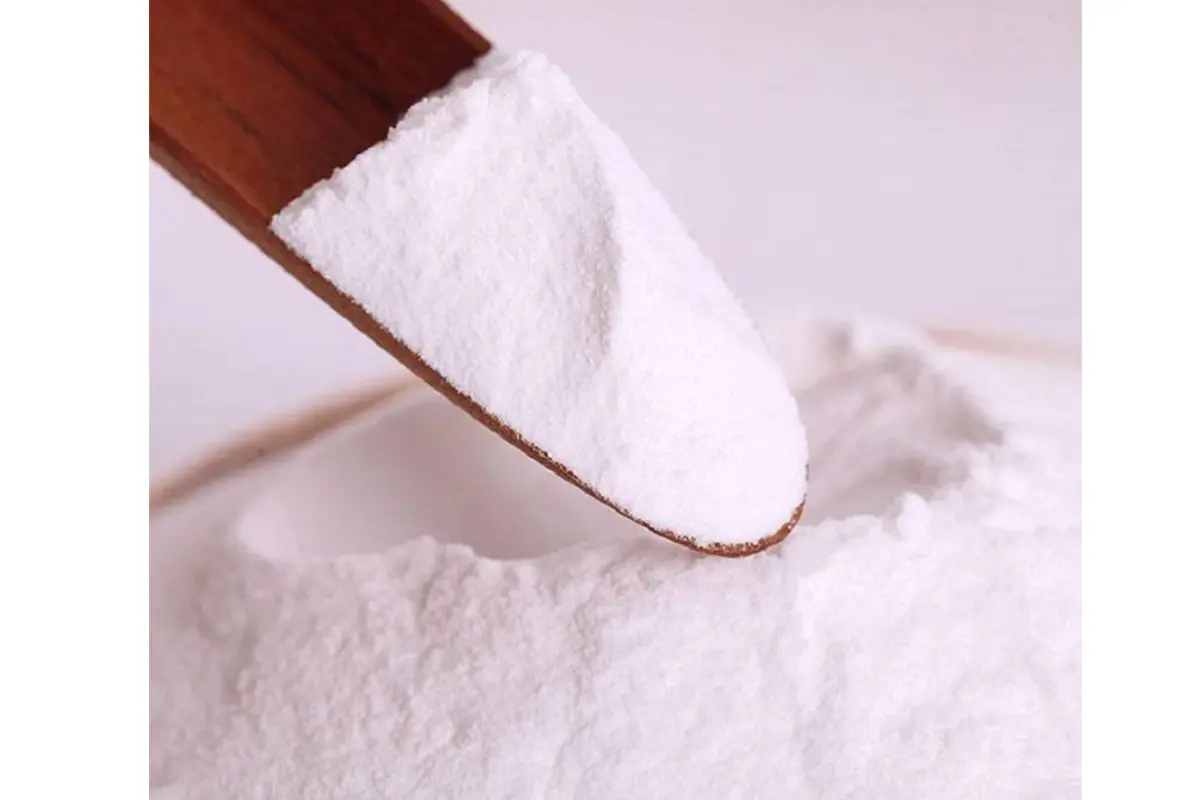
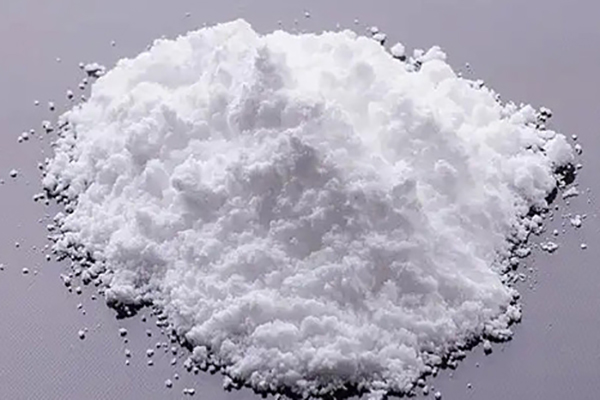
At its core, sodium diacetate is a molecular compound of sodium acetate and acetic acid. Think of it as a dry, solid form of vinegar, but with a more complex role. It presents as a white crystalline powder with a distinct acetic acid aroma. In the world of food additives, it’s identified by the E-number E262 (specifically E262ii), a designation used within the European Union and other regions to regulate substances added to food.
What makes sodium diacetate so special is its dual-action capability. It’s not just one thing; it’s two. First, it’s a highly effective preservative. Second, it’s a potent flavor enhancer. This unique combination makes it an incredibly efficient and cost-effective ingredient for food manufacturers. The substance is essentially a salt of acetic acid, but it carries an extra punch of free acetic acid, which is key to its functionality, a topic we’ll dive into deeper.
This molecular structure allows it to release acetic acid when it comes into contact with moisture in a food product. This controlled release is what makes it a superior choice over simply adding liquid vinegar, which could disrupt the texture and moisture balance of the final product. It is a stable, easy-to-handle substance that integrates seamlessly into various food production processes.
How is Sodium Diacetate Made in the Manufacturing Process?
Understanding the manufacturing process of sodium diacetate can give you a better appreciation for its quality and consistency. The production is a straightforward and well-controlled chemical process, ensuring a high-purity final product. It’s a synthetic compound, meaning it doesn’t occur naturally but is created through a specific chemical reaction.
The journey begins with acetic acid, the same acid that gives vinegar its characteristic taste and smell. This acetic acid is carefully neutralized with a sodium-containing base, typically sodium carbonate or sodium hydroxide. This first step of the process creates sodium acetate and water. Then, in a second step, this newly formed sodium acetate is combined with an equimolar amount of additional acetic acid. The mixture is then crystallized and dried, resulting in the stable, white powder known as sodium diacetate.
The entire process is meticulously monitored to control for purity, moisture content, and crystal size. As a manufacturer, we know that precise control over the reaction between acetic acid and sodium acetate is crucial. Any deviation can affect the final product’s performance, particularly its effectiveness as a preservative and its flavor profile. This careful manufacturing process ensures that each batch meets the stringent requirements of the food industry.
What are the Key Specifications to Look for in a Sodium Diacetate Supplier?
For a procurement officer or a quality control manager, the technical specification sheet is the most important document. When sourcing sodium diacetate, you need to partner with a sodium diacetate supplier or distributor who can guarantee consistency and quality. Small variations in the product can have a big impact on your production line and final product.
Here are some of the critical parameters to look for in a Certificate of Analysis (CoA):
| Parameter | Typical Specification | Why It Matters |
|---|---|---|
| Appearance | White crystalline powder | Ensures no impurities or discoloration. |
| Assay | 99.0% min | Guarantees the product’s purity and strength. |
| Free Acetic Acid | 39.0% – 41.0% | This is the active component for preservation; the range is critical. |
| Sodium Acetate | 58.0% – 60.0% | The other key component; ensures the correct molecular structure. |
| pH (of 10% aqueous solution) | 4.5 – 5.0 | Affects how it interacts with other ingredients and controls acidity. |
| Moisture | 1.0% max | High moisture can cause caking and reduce shelf life. |
| Heavy Metals (as Pb) | < 10 ppm | A crucial food safety measure. |
Beyond the numbers, you should look for a supplier who provides comprehensive documentation, including food-grade certifications, ISO compliance, and transparent traceability for each batch. Consistency is everything in food production. A reliable distributor will understand this and have robust quality control processes in place.
Why is Sodium Diacetate Such an Effective Preservative?
The primary reason sodium diacetate is so widely used as a preservative is its potent antimicrobial power. It is particularly effective against the growth of various types of mold and some strains of bacteria, which are the main culprits behind food spoilage. This ability to extend the shelf life of food products is invaluable in the modern food supply chain.
Its preservative action comes from the free acetic acid in its structure. When sodium diacetate is incorporated into a food product containing moisture, the compound slowly dissolves and releases this acetic acid. The acid then penetrates the cell walls of any present spoilage organism, like mold. Inside the cell, the acetic acid lowers the internal pH level, disrupting the organism’s metabolic functions and ultimately inhibiting its growth and reproduction. This mechanism allows it to prevent the growth of unwanted microbes without drastically altering the overall ph of the food.
This makes sodium diacetate a highly effective food preservative, especially in products like bread, tortillas, and processed meats where mold growth is a significant concern. It helps reduce food waste, ensure product safety, and maintain the quality of the food from the factory to the consumer’s home. It acts as an excellent antimicrobial agent to fight contamination.
How Does Sodium Diacetate Enhance the Flavor of Foods?
While its role as a preservative is critical, the function of sodium diacetate as a flavor enhancer is what makes it a truly unique food additive. It imparts a distinct, sharp, and salty flavor that is most famously associated with salt and vinegar potato chips. That tangy kick you love? You can thank sodium diacetate for that.
This ingredient provides a way to add a sour or vinegary taste without adding liquid. Using liquid vinegar in a dry mix for a snack coating or in a dough would introduce unwanted moisture, leading to clumps and processing issues. Sodium diacetate, being a white crystalline powder, can be blended uniformly with other dry ingredients like salt and spices. When you eat the chip or the cracker, the sodium diacetate dissolves in your saliva, releasing that burst of acetic acid flavor instantly.
This makes it an ideal flavor ingredient for a wide range of products. It can be used to add a tangy note to sauces, dressings, and soups, or to create a complex flavor profile in dry rubs for meat. Its ability to act as a condiment in a stable, powdered form gives food developers a level of precision and control that is hard to achieve with other ingredients.
What are the Most Common Applications of Sodium Diacetate in the Food Industry?
The dual functionality of sodium diacetate has made it a staple in many areas of the food industry. Its ability to both preserve and flavor makes it an efficient and economical choice for manufacturers. You’ll find it on the ingredient list of more products than you might realize.
Here are some of the most common applications where sodium diacetate can be used:
- Baked Goods: In bread, tortillas, and cakes, sodium diacetate is primarily used as a mold inhibitor. It extends the freshness of these products without affecting the leavening process or final texture. When you bake with it, you ensure a longer-lasting, safer product for consumers.
- Meat and Poultry Products: It is commonly used in cured meats, sausages, and hot dogs. In these applications, it helps control the growth of bacteria, including Listeria monocytogenes, and also functions as a ph adjuster to improve the texture and water-holding capacity of the meat. In meat processing, other preservatives like Sodium Metabisulfite are also used to prevent spoilage and maintain color.
- Snack Foods: This is where its flavor truly shines. It’s the key ingredient in salt and vinegar flavored potato chips, crackers, and popcorn.
- Sauces and Dressings: Sodium diacetate adds a tangy flavor and acts as a preservative in salad dressings, marinades, and various sauces, helping them stay fresh in the refrigerator after opening.
- Soups and Condiments: It can be found in dehydrated soup mixes and various condiments to enhance flavor and prolong shelf life.
Is Sodium Diacetate a Safe Food Additive? Exploring the Health Risks.
In an age where consumers are increasingly wary of "chemicals" in their food, the question of safety is paramount. So, are there significant health risks associated with sodium diacetate? The overwhelming scientific consensus is that it is safe for consumption at the levels approved for use in food.
The U.S. Food and Drug Administration (FDA) lists sodium diacetate as Generally Recognized as Safe (GRAS). This designation is not given lightly; it means that based on a long history of common use in food and scientific evidence, experts agree that the substance is safe. You can find its approved uses outlined in the FDA‘s Code of Federal Regulations (CFR) Title 21. When consumed, the body easily metabolizes sodium diacetate into sodium and acetate, two substances that are naturally present in our bodies and in many foods.
Of course, like any food ingredient, there are considerations. For individuals on a strict low-sodium diet, the sodium intake from foods containing sodium diacetate and other sodium salts should be monitored. Additionally, while extremely rare, a person could have a specific allergy or sensitivity to acetates. However, for the general population, sodium diacetate is considered a harmless and effective food additive, not one of the harmful additives that consumers should be concerned about.
How Does Sodium Diacetate Function as a pH Regulator?
Beyond preservation and flavor, sodium diacetate plays a third, more subtle role as a pH regulator or buffering agent. Maintaining a stable pH is critical in many food formulations, as it can affect everything from texture and color to the effectiveness of other ingredients.
A buffering agent is a substance that resists changes in acidity or pH. Sodium diacetate excels at this because it is a salt of a weak acid (acetic acid) and a strong base (derived from sodium hydroxide). In an aqueous solution, it can absorb excess acid or base, helping to keep the ph value of the food product within a narrow, desired range. This is particularly important in products like processed cheeses and sauces.
This function as a ph adjuster also contributes to its preservative effect. By helping to maintain a slightly acidic environment, it creates conditions that are less favorable for the growth of spoilage microbes. Therefore, its role as a regulator of acidity is directly linked to its primary function in food preservation. For manufacturers looking for other ways to control pH, ingredients like Sodium Bicarbonate are also excellent buffering agents.
Beyond Food: Are There Other Uses for Sodium Diacetate?
While its primary market is the food industry, the useful properties of sodium diacetate have led to its adoption in several other sectors. This versatility underscores its safety and effectiveness as a chemical compound.
Here are a few notable non-food applications:
- Animal Feed: Sodium diacetate is often used in animal feed, particularly for poultry and swine. It is used to preserve the nutritional quality of stored grain and silage by inhibiting the growth of mold and bacteria. It also helps improve gut health in animals by controlling harmful pathogens.
- Pharmaceutical and Cosmetic: In the pharmaceutical industry, it can be used as a buffering agent in certain formulations to maintain the stability and efficacy of active ingredients. Similarly, in the cosmetic world, it can function as a ph regulator in creams and lotions.
- Industrial Applications: It has been explored for use as a de-icing agent and in other industrial processes where a solid, easy-to-handle source of acetic acid is beneficial.
The use of sodium diacetate in pharmaceutical and cosmetic applications further speaks to its low toxicity and reliability as a stable chemical compound.
Choosing the Right Sodium Diacetate Distributor: What to Ask?
For any business that relies on a steady supply of quality ingredients, choosing the right partner is a critical decision. When you’re ready to make a purchase, whether you need sodium diacetate wholesale pricing or just a single pallet, asking the right questions can save you from the headaches of poor quality and unreliable service.
Here is a checklist of questions to ask a potential sodium diacetate supplier or distributor:
- "Can you provide a full Certificate of Analysis (CoA) for every batch?" A reliable supplier will provide this without hesitation. Compare it against your required specification.
- "What quality and food safety certifications do you hold?" Look for certifications like ISO 9001, FSSC 22000, Halal, and Kosher. This demonstrates a commitment to global standards.
- "What is your quality control process?" Ask about how they ensure consistency from one batch to the next.
- "What are your typical lead times and shipping options to my location?" This is crucial for managing your inventory and production schedule.
- "Can you provide a sample for testing in our application?" Testing a sample in your own lab and product is the best way to ensure it meets your needs.
- "Do you also supply related products?" A supplier who offers a range of ingredients, such as Sodium Acetate or other preservatives, can be a more efficient one-stop-shop for your needs.
A transparent and communicative supplier is just as important as the product itself. A good partner will work with you to ensure you get the right product, on time, every time.
Key Takeaways to Remember
- Sodium diacetate (E262ii) is a safe and highly effective dual-purpose food additive, acting as both a preservative and a flavor enhancer.
- Its primary function is to inhibit the growth of mold and bacteria, extending the shelf life of products like baked goods and meat.
- As a flavor agent, it provides the signature tangy, vinegar taste to snacks like potato chips and crackers.
- It is Generally Recognized as Safe (GRAS) by the FDA and is not considered one of the harmful additives to be concerned about.
- Sodium diacetate also functions as a pH regulator and has applications beyond food in the pharmaceutical, cosmetic, and animal feed industries.
- When choosing a sodium diacetate supplier, prioritize those who offer transparent documentation, consistent quality, and excellent customer service.
Post time: Aug-06-2025