

Walk into almost any kitchen or laboratory around the world, and you are likely to find a simple box containing a white, crystalline powder. While it might look unassuming, this substance is a powerhouse of utility. We are talking about sodium bicarbonate, a chemical compound that has cemented its place in history as one of the most useful materials known to mankind. From making our cakes rise to keeping our teeth clean, the uses of sodium bicarbonate are vast and varied. This article will dive deep into the science and application of this incredible ingredient, exploring why both industrial buyers and home bakers rely on it every day.
What is the Chemical Nature of Sodium Bicarbonate?
At its core, sodium bicarbonate is a chemical salt. Its formula is NaHCO₃. In the world of chemistry, it is known to break down into sodium and bicarbonate ions when dissolved in water. It is a mild alkaline substance, which means it has a pH higher than 7. This basic nature is the secret behind many of its capabilities. When sodium bicarbonate encounters an acid, a fascination reaction occurs. It works to neutralize the acid, bringing the pH level closer to neutral.
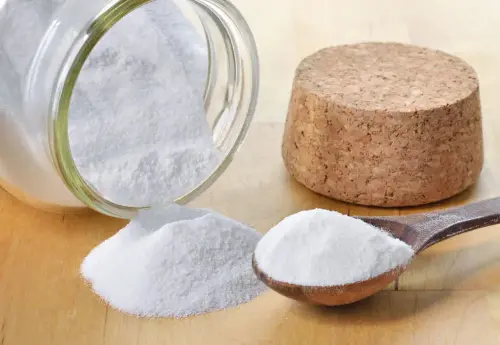
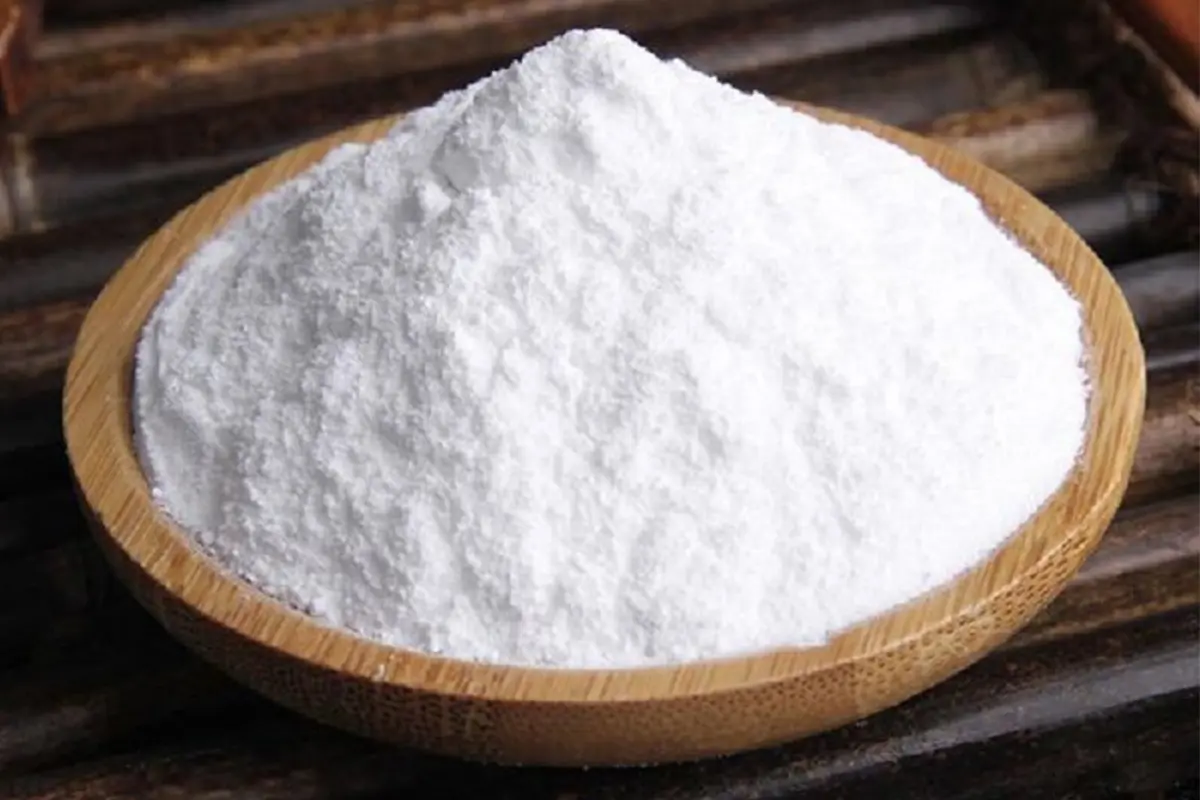
This chemical reaction is not just a laboratory trick; it is the foundation for how we utilize the powder. Sodium bicarbonate is commonly found as a white solid, but it is crystalline in nature. However, it usually appears as a fine powder to the naked eye. Because it is a weak base, it is generally safe to handle and is known as baking soda in household settings. Its ability to react predictably makes it a staple ingredient for chemical manufacturers and personal care products.
Interestingly, sodium bicarbonate is inorganic, meaning it doesn’t contain the carbon-hydrogen bonds found in living things, yet it plays a massive role in biological functions. For instance, your body actually produces bicarbonate to regulate the acidity of your blood. This natural occurrence is why sodium bicarbonate is generally compatible with human physiology when used in appropriate amounts.
Why is Baking Soda Essential in the Food Industry?
The food industry would look very different without sodium bicarbonate. In this sector, it is almost exclusively referred to as baking soda. It serves a critical role as a leavening agent. But what does that mean? When you mix dough or batter for bread, cookies, or cakes, the mixture is heavy and dense. To make these baked goods light and fluffy, you need to introduce gas bubbles.
This is where sodium bicarbonate releases carbon dioxide. When baking soda is mixed with an acidic ingredient—such as buttermilk, yogurt, vinegar, or lemon juice—it reacts immediately. This reaction produces carbon dioxide gas. These bubbles get trapped inside the batter, causing it to expand and rise. Without this reaction, your pancakes would be flat, and your bread would be hard bricks.
Sometimes, recipes call for baking powder instead of pure baking soda. Baking powder essentially contains sodium bicarbonate mixed with a dry acid (like cream of tartar). This allows the reaction to happen only when moisture is added or when the mixture is heated. Whether used in a large commercial bakery or a home kitchen, sodium bicarbonate is used to ensure consistent texture and volume. It is a vital additive that food scientists rely on to create the products we love.
How Does Sodium Bicarbonate Neutralize Acid and pH?
The concept of pH is central to understanding the power of sodium bicarbonate. pH measures how acidic or basic a substance is. Sodium bicarbonate acts as a buffer. This means it can resist changes in pH when an acid or base is added. In many applications, using sodium bicarbonate is the most effective way to neutralize excess acidity.
For example, in water treatment, sodium bicarbonate effectively raises the pH of water that is too acidic. Acidic water can corrode pipes and damage equipment. By adding this chemical, facility managers can protect their infrastructure. The bicarbonate reacts with the hydrogen ions in the acid, rendering them harmless.
This neutralizing capability extends to environmental safety as well. Sodium bicarbonate can be used to treat chemical spills. If a strong acid is spilled in a laboratory or industrial setting, dumping sodium bicarbonate on it will cause it to bubble and fizz as it turns the dangerous acid into safer salts and carbon dioxide. It is a safer alternative to using strong bases for neutralization because sodium bicarbonate itself is relatively mild and less likely to cause chemical burns.
What are the Health Benefits and Medicinal Uses?
Beyond the kitchen, there are significant health benefits associated with this compound. Sodium bicarbonate is commonly used as an antacid. Millions of people suffer from indigestion, acid reflux, and heartburn. These conditions occur when stomach acid flows back up into the esophagus or when the stomach is simply too acidic. Taking an over-the-counter product containing sodium bicarbonate can relieve heartburn quickly.
How does it work? When you swallow a dissolved mixture of water and powder, the sodium bicarbonate goes straight to the stomach. There, it neutralizes the stomach acid and temporarily relieves the burning sensation. It converts the harsh hydrochloric acid in your stomach into water, salt, and carbon dioxide. This is why you might burp after taking it—that is the carbon dioxide release leaving your body.
In more serious medical situations, doctors use baking soda to treat acidosis. Acidosis is a condition where body fluids contain too much acid. This can happen due to kidney disease or severe dehydration. Intravenous infusions of sodium bicarbonate can help restore the proper pH balance in the blood. However, one must be careful with the dose. Consuming large amounts can lead to issues, so it is important to follow the advice of a medical professional.
Can Sodium Bicarbonate Improve Oral Health?
Your smile can also benefit from this versatile ingredient. Sodium bicarbonate is a popular component in oral care. Many brands of toothpaste include it because of its gentle abrasiveness. This texture helps to scrub away surface stains from teeth, effectively helping to whiten teeth. Unlike harsh chemicals that might bleach teeth, sodium bicarbonate works mechanically to remove the debris that causes discoloration.
Furthermore, tooth decay is often caused by acids produced by bacteria in your mouth. These acids eat away at the enamel of your teeth. By rinsing with a mixture of water and baking soda, you can neutralize these harmful acids. This creates an environment where the bacteria that cause cavities struggle to survive. It acts as a protective buffer for your oral health.
In addition to preventing cavities, a rinse with sodium bicarbonate can soothe mouth ulcers. It reduces the acidity in the mouth, which can make the healing process less painful. It is a simple, cost-effective remedy that people have used for generations to maintain healthy teeth and gums.
How is this Powder Used for Cleaning and Deodorizing?
If you open a refrigerator in many homes, you might see a small box of baking soda sitting on the shelf. This is because sodium bicarbonate is an excellent deodorant. It does not just mask smells; it absorbs the particles that cause the odor. Whether it is the smell of leftover fish or spoiled milk, sodium bicarbonate can help keep the air fresh.
Cleaning with sodium bicarbonate is also highly effective. It is a mild abrasive, meaning it can scrub away grime without scratching delicate surfaces. You can make a paste with water to remove stains from countertops, sinks, and even clothing. It is particularly good at cutting through grease. When mixed with vinegar, it creates a vigorous bubbling action that can help unclog drains or lift dirt from grout lines.
Many commercial cleaning products utilize sodium bicarbonate because it is safer than harsh solvents. It can be used to clean carpets, freshen up upholstery, and even remove tarnish from silver. For stain removal on clothes, adding a cup of sodium bicarbonate to your laundry can boost the power of your detergent, leaving clothes brighter and smelling fresher.
What are the Industrial Uses of Sodium Bicarbonate?
The industrial uses of sodium bicarbonate are vast. We have already mentioned water treatment, but it goes further. It is used in flue gas desulfurization. Power plants burn fuels that release sulfur dioxide, a pollutant. Sodium bicarbonate is injected into the exhaust gas to react with the sulfur, reducing harmful emissions.
Another critical application is in fire extinguishers. Specifically, dry chemical fire extinguishers often contain sodium bicarbonate. It is particularly useful for electrical fires and grease fires (Class B and C fires). When the powder is sprayed onto the fire, the heat causes the sodium bicarbonate to decompose. This releases carbon dioxide, which smothers the flames by displacing oxygen.
In the world of personal care products, beyond toothpaste, sodium bicarbonate is found in bath bombs. The fizzing action of a bath bomb is simply the reaction between sodium bicarbonate and citric acid. It is also a key ingredient in natural deodorants, helping to neutralize body odor without blocking sweat pores.
Is Sodium Bicarbonate Safe and Approved by the FDA?
Safety is a top priority for procurement officers and consumers alike. The Food and Drug Administration (FDA) recognizes sodium bicarbonate as Generally Recognized as Safe (GRAS). This means that it is safe to be used in baking and other food applications. It is a staple additive that does not pose significant risks when used correctly.
However, like any substance, there are precautions. Sodium bicarbonate contains a significant amount of sodium. People who are on a low-salt diet for high blood pressure need to be aware of how much sodium they are ingesting, even from antacid sources. Also, if a child were to swallow a huge quantity, it could cause a chemical imbalance. Therefore, it should be kept out of the reach of children, and if an overdose is suspected, one should contact a poison control center or National Capital Poison Center immediately.
The FDA regulates the purity of sodium bicarbonate used in food and medicine to ensure it is free from harmful contaminants. Whether you are using it to treat a stomach ache, bake a cake, or put out a fire, sodium bicarbonate remains one of the safest and most versatile chemicals available. Its unique ability to react with acids, release carbon dioxide, and clean surfaces makes it indispensable.
Key Takeaways
- Sodium bicarbonate is a versatile chemical compound (NaHCO3) known commonly as baking soda.
- In the food industry, it acts as a leavening agent by reacting with acids to release carbon dioxide, helping dough rise.
- It acts as a buffer to neutralize acids, making it effective for water treatment and regulating pH.
- Health benefits include acting as an antacid to relieve heartburn and indigestion by neutralizing stomach acid.
- It promotes oral health by helping to whiten teeth and prevent tooth decay in toothpaste.
- Sodium bicarbonate is a powerful cleaner and deodorant, used to remove stains and absorb odor in the refrigerator.
- It is recognized as safe by the FDA but should be used responsibly regarding dose.
- Industrial applications include use in fire extinguishers and pollution control.
From the Sodium Citrate used in cheese making to the Calcium Propionate used to preserve bread, chemical salts are everywhere. However, few are as universally recognized and utilized as sodium bicarbonate. Whether you need it for industrial manufacturing or just to keep your cookies fluffy, this white powder delivers reliable results every time. Just remember to check the label and rely on sodium bicarbonate for a multitude of safe, effective solutions. If looking for other industrial salts like Sodium Metabisulfite or cleaning agents like Sodium Tripolyphosphate, Kands Chemical offers a wide range of high-quality options.
Post time: Dec-25-2025