

Sodium bicarbonate, a compound you probably know as baking soda, is one of the most versatile substances found in our homes and industries. But its utility extends far beyond making cookies rise. From acting as a powerful cleaning agent to being a critical component in various medical treatments, the scope of its applications is truly remarkable. If you’ve ever wondered about the science behind this simple white powder, how it works, and how to use it safely and effectively, you’ve come to the right place. This comprehensive guide will explore the many facets of sodium bicarbonate, detailing its mechanism of action, common uses, proper dosage guidelines, and its significant role in health and wellness. Let’s dive in and uncover the science behind this everyday chemical marvel.
What Exactly Is Sodium Bicarbonate?
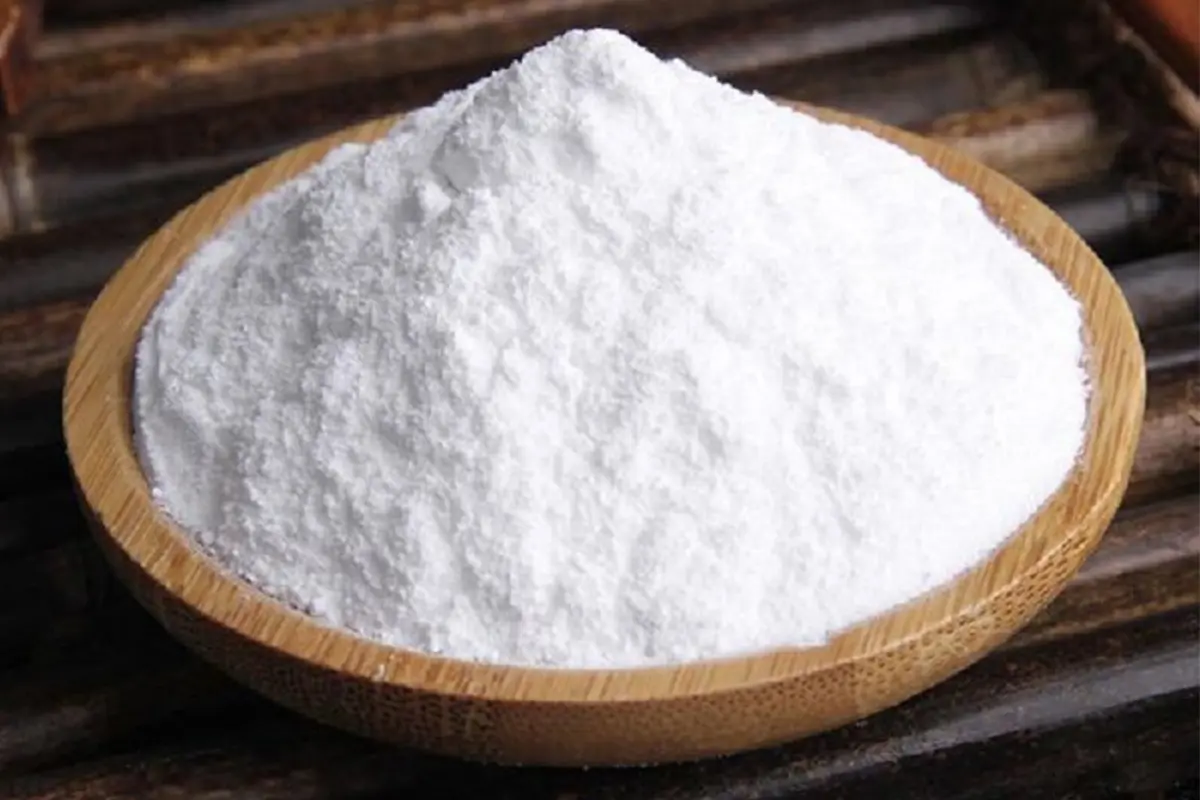
At its core, sodium bicarbonate is a chemical salt with the formula NaHCO3. This formula indicates it is composed of one sodium atom (Na), one hydrogen atom (H), one carbon atom (C), and three oxygen atoms (O). In its pure form, sodium bicarbonate is a white, crystalline, and fine powder. While you might know it best as baking soda, its chemical properties make it incredibly useful. It is a weak base, which means it has alkaline properties and can react with and neutralize substances that are acidic.
This fundamental property is the key to almost every use of sodium bicarbonate. When it comes into contact with an acid, a chemical reaction occurs that breaks the sodium bicarbonate down. This reaction is what creates the fizzing you see when you mix baking soda with vinegar. The body itself produces and uses bicarbonate as part of its complex acid-base buffering system, which helps maintain a stable pH in our blood. This natural role gives us a clue as to why sodium bicarbonate is so important in various medical treatments. Understanding this simple compound is the first step toward appreciating its vast potential.
How Does the Mechanism of Action of Sodium Bicarbonate Work?
The true power of sodium bicarbonate lies in its simple yet effective mechanism of action. When dissolved in water, sodium bicarbonate separates, or dissociates, into a sodium ion (Na+) and a bicarbonate ion (HCO3-). This bicarbonate ion is the star of the show. It acts as a buffer, which is a substance that can resist changes in pH. It does this by "soaking up" excess hydrogen ions, which are the components that make a solution acidic.
When you introduce an acid to a solution containing sodium bicarbonate, the bicarbonate ions readily react with the free hydrogen ions (H+). This reaction forms carbonic acid (H2CO3), which is a very weak acid and is unstable. It quickly breaks down further into water (H2O) and carbon dioxide gas (CO2). This is the fizzing and bubbling you observe. In essence, the mechanism of action is its ability to neutralize a strong acid and convert it into harmless water and gas. This role as a buffering agent is precisely why sodium bicarbonate is used to treat conditions caused by excess acid in the body, such as acid indigestion and metabolic acidosis.
What Are the Most Common Uses for Sodium Bicarbonate?
The applications for sodium bicarbonate are incredibly diverse, spanning household, industrial, and medical fields. Its safety and effectiveness have made it a staple product across the globe. You might be surprised at just how many ways sodium bicarbonate can be used.
Here are some of the most common uses:
| Category | Common Uses | Description |
|---|---|---|
| Household | Baking, Cleaning, Deodorizing | As baking soda, it acts as a leavening agent. It’s also a gentle abrasive for cleaning and absorbs odors effectively. |
| Medical | Antacid, Treatment for Acidosis, Skin Soother | Used to neutralize stomach acid, correct acid-base imbalances in the blood, and soothe minor skin irritations like insect bites. |
| Industrial | Fire Extinguishers, Chemical Production, Pest Control | Found in some dry chemical fire extinguishers (Class C). It’s a precursor in manufacturing other chemicals, like its relative, Sodium Metabisulfite, and can be used as a non-toxic fungicide. |
| Personal Care | Toothpaste, Deodorant, Bath Soaks | Many toothpastes contain sodium bicarbonate for its mild abrasive and whitening properties. It can also be found in natural deodorants and added to baths. |
| Agriculture | pH Adjustment, Fungicide | Used to raise the pH of soil and as a safe, effective fungicide for certain plants. |
The sheer versatility of sodium bicarbonate is a testament to its useful chemical properties. Whether it’s in your kitchen as baking soda or in a hospital as a life-saving medication, its impact is undeniable.
Can Sodium Bicarbonate Be Used as an Antacid for Heartburn and Indigestion?
Yes, one of the most well-known medical uses for sodium bicarbonate is as an over-the-counter antacid. Heartburn and indigestion are often caused by an excess of hydrochloric acid in the stomach. When you ingest a small amount of sodium bicarbonate dissolved in water, it travels to your stomach and directly neutralizes this excess stomach acid. This provides fast, albeit temporary, relief from the burning sensation associated with acid indigestion and heartburn.
The reaction between sodium bicarbonate and stomach acid produces salt, water, and carbon dioxide gas. This buildup of gas is what often leads to belching after taking an antacid, which can help relieve bloating. While effective, it’s important to view sodium bicarbonate as a temporary fix. It addresses the symptom (excess acid) but not the underlying cause. Furthermore, using sodium bicarbonate frequently can lead to side effects, so it is crucial to follow the recommended dosage on the product label and consult a doctor for chronic indigestion. It is safe when used for occasional relief but not intended for long-term daily use without appropriate medical supervision.
How is Sodium Bicarbonate Used in Medical Treatments for Acidosis?
Beyond simple heartburn, sodium bicarbonate plays a critical role in treating a serious medical condition known as metabolic acidosis. This condition occurs when there’s an accumulation of acid in the body, leading to a drop in the blood’s pH. This can be caused by various issues, including severe diarrhea, kidney disease, or certain types of poisoning. The primary goal of the treatment of metabolic acidosis is to raise the blood pH back to a normal range, and intravenous sodium bicarbonate is a frontline therapy to achieve this.
When a patient is suffering from severe acidosis, bicarbonate is administered intravenously. This method bypasses the digestive system and delivers the buffer directly into the bloodstream, allowing for a rapid increase in plasma bicarbonate levels in the blood. This helps to quickly neutralize the excess acid and restore the body’s delicate acid-base balance. The specific dosage and rate of infusion are carefully calculated by medical professionals based on the patient’s weight and the severity of the acidosis. This intervention can be life-saving, highlighting the importance of sodium bicarbonate in emergency medicine.
What is the Correct Dosage of Sodium Bicarbonate?
Determining the correct dosage of sodium bicarbonate is absolutely critical, as it varies dramatically depending on the intended use. For casual use as an antacid for heartburn and indigestion, the general recommendation is typically around half a teaspoon of baking soda dissolved in a 4-ounce glass of water, which can be repeated every two hours as needed. However, it’s always best to follow the instructions on the product packaging, as many FDA approved drug products exist. These products are often available in tablet form for convenience.
For medical treatments, such as managing chronic kidney disease or correcting acute metabolic acidosis, the dosage is strictly determined by a healthcare provider. This usually involves blood tests to measure bicarbonate and other electrolyte levels in the body. Based on these results, a doctor will prescribe a specific amount of oral sodium bicarbonate or set up an intravenous drip. Self-prescribing sodium bicarbonate for medical conditions is dangerous and can lead to serious complications like metabolic alkalosis or electrolyte imbalances. Therefore, using sodium bicarbonate for anything other than occasional heartburn requires medical guidance.
Can Using Sodium Bicarbonate Enhance Exercise Performance?
Interestingly, sodium bicarbonate has gained popularity in the athletic community for its potential to enhance exercise performance. This practice, known as "soda doping," is particularly relevant for athletes involved in high-intensity activities lasting between one and ten minutes, such as sprinting, rowing, or swimming. During high-intensity exercise, muscles produce a significant amount of lactic acid, which breaks down into lactate and hydrogen ions. The accumulation of these hydrogen ions lowers the pH in muscle cells, contributing to fatigue and a burning sensation.
The effects of sodium bicarbonate supplementation are linked to its role as an extracellular buffer. By ingesting sodium bicarbonate before a workout, athletes can increase the bicarbonate concentration in their blood. This enhanced buffering capacity helps draw hydrogen ions out of the muscle cells at a faster rate, delaying the onset of muscular acidosis and fatigue. This allows athletes to maintain a higher intensity for a longer period. While the efficacy has been supported by numerous studies, the main drawback is the high potential for gastrointestinal distress, which can negate any performance benefits. Therefore, athletes considering this should experiment with dosage carefully under guidance. It’s often paired with a simple carbohydrate source like Dextrose Monohydrate to aid in absorption and provide energy.
Are There Risks or Side Effects Associated with Sodium Bicarbonate?
While generally safe when used correctly, sodium bicarbonate is not without risks, especially when taken in large quantities or for prolonged periods. The most immediate adverse effects are often gastrointestinal, including gas, bloating, stomach cramps, and diarrhea. This is due to the production of carbon dioxide gas when sodium bicarbonate reacts with stomach acid. A more significant concern is the compound’s high sodium content. Sodium bicarbonate contains sodium, and excessive intake can lead to high sodium levels in the blood, fluid retention, and elevated blood pressure, which is particularly dangerous for individuals with heart conditions.
One of the most serious risks of overusing sodium bicarbonate is developing metabolic alkalosis. This is the opposite of acidosis; it’s a condition where the blood becomes too alkaline. Symptoms can range from confusion and muscle twitching to irregular heartbeat. Additionally, altering the body’s pH can affect electrolyte balance, potentially leading to low potassium levels (hypokalemia) or affecting calcium metabolism. Because of these potential issues, it is crucial to use sodium bicarbonate responsibly and always under a doctor’s care for any chronic condition. Managing electrolytes is key, and sometimes other supplements like Potassium Chloride are needed to maintain balance.
How Does Sodium Bicarbonate Affect Kidney Disease?
The relationship between sodium bicarbonate and kidney disease is a significant area of drug discovery and clinical practice. One of the primary functions of the kidneys is to remove acid from the blood and excrete it in the urine. In patients with chronic kidney disease (CKD), this kidney function is impaired, often leading to a slow but steady buildup of acid in the body, a condition known as chronic metabolic acidosis. This state of acidosis can accelerate the progression of the kidney disease itself, creating a vicious cycle.
Several clinical studies have shown that sodium bicarbonate therapy can be beneficial for these patients. By administering modest doses of oral sodium bicarbonate, doctors can help neutralize the excess acid, correcting the metabolic acidosis. This has been shown to slow the rate of decline in kidney function and delay the need for dialysis. The effect of sodium bicarbonate here is protective. However, treatment must be carefully managed, as CKD patients are also sensitive to sodium loads. Doctors must balance the benefits of correcting acidosis with the risks of fluid retention and hypertension, constantly monitoring blood and urine chemistry.
What’s the Difference Between Sodium Bicarbonate, Baking Powder, and Soda Ash?
It’s easy to get these three white powders confused, but they are chemically distinct with very different uses. Understanding their differences is key to using them correctly and safely.
-
Sodium Bicarbonate (Baking Soda): As we’ve discussed, this is pure NaHCO3. It is a base and, for leavening in baking, requires an acidic environment to work. You need to add an acidic ingredient like vinegar, yogurt, or lemon juice to activate it and produce the carbon dioxide that makes baked goods rise.
-
Baking Powder: This is a complete leavening agent in a box. It’s a mixture that contains sodium bicarbonate, a dry acid (or two), and a starch filler to prevent clumping. Because the acid is already included, you only need to add a liquid to start the reaction. This makes it a more convenient option for many baking recipes.
-
Soda Ash (Sodium Carbonate): This chemical, with the formula Na2CO3, is a much stronger alkaline substance than sodium bicarbonate. It is not interchangeable with baking soda in cooking. Soda ash is primarily used in industrial applications, such as making glass, detergents, and other chemicals. A similar chemical used in industrial contexts is Sodium Acetate. Ingesting soda ash is dangerous and can cause severe harm.
In short, while they may look similar, baking soda is a single ingredient, baking powder is a mixture built around baking soda, and soda ash is a different, more powerful chemical altogether.
Key Takeaways
Sodium bicarbonate is a remarkably versatile and useful compound. As we’ve explored, its applications are vast and significant. Here are the most important things to remember:
- What It Is: Sodium bicarbonate (NaHCO3), commonly known as baking soda, is a mild base.
- How It Works: Its mechanism of action involves neutralizing acid by reacting with hydrogen ions, producing water and carbon dioxide.
- Primary Uses: Its common uses include baking, cleaning, as an antacid for heartburn, in medical treatments for metabolic acidosis, and to potentially boost exercise performance.
- Dosage is Key: The correct dosage is crucial. Follow package directions for occasional antacid use and never self-medicate for serious conditions like kidney disease or acidosis.
- Potential Risks: Overuse can lead to adverse effects like high sodium intake, gas and bloating, and a serious condition called metabolic alkalosis.
- Know the Difference: Do not confuse sodium bicarbonate with baking powder (which contains an acid) or soda ash (a much stronger, non-edible chemical).
Post time: Jul-18-2025