

You’ve almost certainly seen it in your kitchen: a simple box of baking soda. But this humble white powder, known chemically as sodium bicarbonate, is far more than just an ingredient for fluffy pancakes. It’s a powerful compound with a surprising range of medical and health applications, from soothing an upset stomach to potentially improving athletic performance. It is a substance that has been used for generations, yet many people are unaware of its full potential and the proper way to use it safely.
This comprehensive guide is here to change that. We will explore the science behind sodium bicarbonate, detailing its benefits, recommended dosage, and crucial precautions. Whether you’re curious about its role as an antacid, its use in managing certain health conditions, or how athletes leverage it for a competitive edge, this article will provide clear, reliable, and easy-to-understand answers. Let’s unlock the secrets of this everyday powerhouse.
What Exactly Is Sodium Bicarbonate?
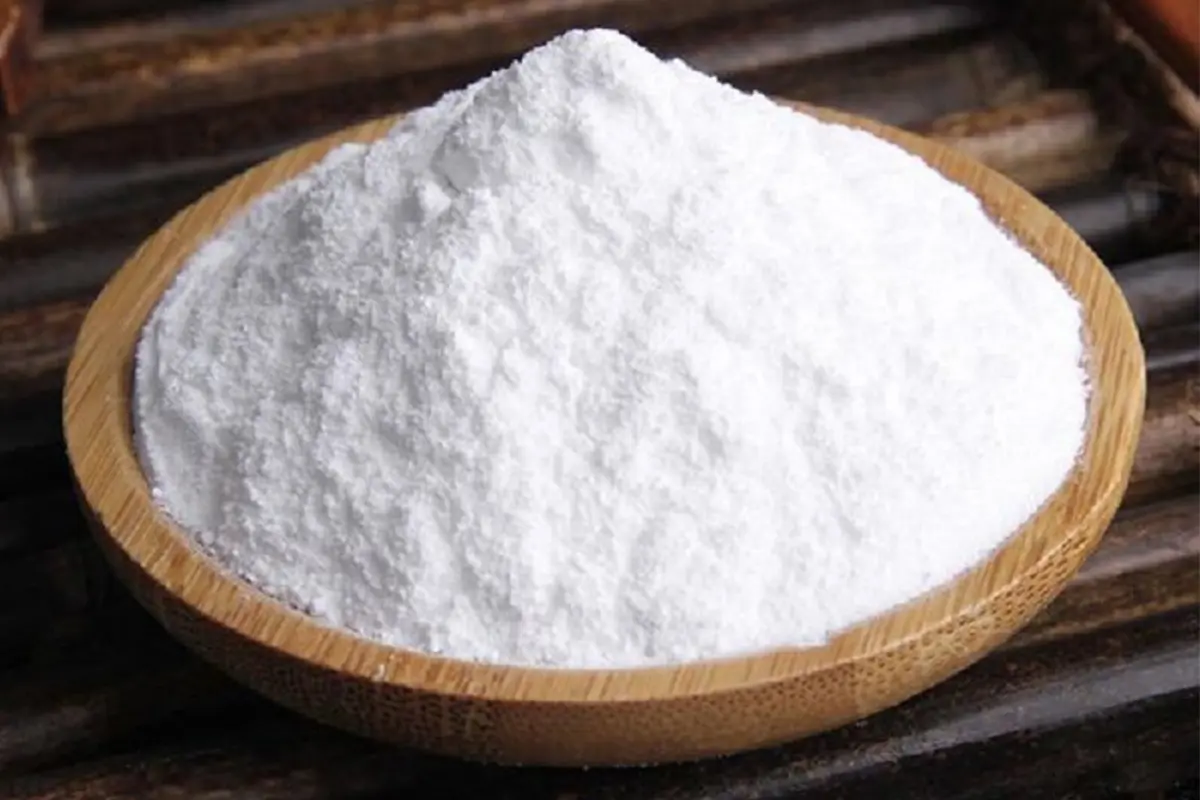
At its heart, sodium bicarbonate is a chemical salt with the formula NaHCO₃. This formula tells us it’s made of one sodium atom (Na), one hydrogen atom (H), one carbon atom (C), and three oxygen atoms (O₃). It’s a crystalline white powder but often appears as a fine powder. In nature, it can be found in a dissolved form in mineral springs. The sodium bicarbonate we buy in stores is typically produced through a chemical process known as the Solvay process.
While you know it as baking soda, its functions go far beyond being a leavening agent in baking. In the human body, sodium bicarbonate plays a critical role as a natural buffer. Your body produces it to help maintain a stable pH level in your blood. This is vital because many of our body’s processes can only function within a very narrow pH range. When things become too acidic, sodium bicarbonate steps in to restore balance.
This natural buffering ability is the key to its many uses. When we ingest sodium bicarbonate, we are essentially supplementing our body’s own acid-balancing system. It’s this simple yet powerful mechanism that allows it to act as an effective antacid, a treatment for certain medical conditions, and a performance aid for athletes. Its solubility in water makes it easy to consume and for the body to utilize quickly.
How Does Sodium Bicarbonate Work to Neutralize Acid?
The magic of sodium bicarbonate lies in its alkaline nature. On the pH scale, which measures acidity, anything below 7 is acidic and anything above 7 is alkaline (or basic). Sodium bicarbonate has a pH of around 8.4, making it a mild base. This property allows it to neutralize acid through a simple chemical reaction. When you experience heartburn, it’s often because of too much acid in the stomach splashing up into the esophagus.
When you take sodium bicarbonate, it reacts with the excess stomach acid (hydrochloric acid). This reaction produces salt, water, and carbon dioxide gas. The neutralization of the acid provides rapid relief from the burning sensation of heartburn and indigestion. The carbon dioxide produced in this reaction is why you might burp after taking baking soda – it’s just the gas being released. Think of sodium bicarbonate as a chemical firefighter that puts out the fire of excess acid.
This same principle applies elsewhere. In the bloodstream, sodium bicarbonate helps manage conditions of acidosis, where the entire body’s pH becomes too low. By introducing this alkaline substance, doctors can help bring the body’s pH back into a healthy range. The ability of sodium bicarbonate to counteract acid is a fundamental reason why it is such a versatile and valuable compound in both home remedies and clinical medicine.
What are the Primary Medical Uses of Sodium Bicarbonate?
Beyond its well-known use as a household antacid, sodium bicarbonate is commonly used in a variety of medical settings. Its ability to combat excess acid makes it a cornerstone treatment for several serious conditions. One of its most important applications is in the treatment of metabolic acidosis. This is a life-threatening condition where the body produces too much acid or when the kidneys are not removing enough acid from the body. It can be caused by severe kidney disease, uncontrolled diabetes, or certain poisonings. In these acute situations, sodium bicarbonate is often given intravenously in a hospital to quickly restore the body’s pH balance.
Another significant area of use of sodium bicarbonate is in managing chronic kidney disease (CKD). As kidney function declines, the ability to regulate acid levels in the body diminishes, often leading to a state of chronic metabolic acidosis. This can worsen bone disease, muscle loss, and the progression of kidney failure. Research suggests that regular, prescribed oral sodium bicarbonate therapy can slow the progression of CKD. A clinical trial involving patients with chronic kidney disease showed that bicarbonate treatment significantly reduced the rate of decline in kidney function.
The versatility of sodium bicarbonate doesn’t stop there. It’s also used to:
- Make urine more alkaline to help treat urinary tract infections and prevent certain types of kidney stones.
- Act as an ingredient in some types of toothpaste due to its mild abrasive and whitening properties.
- Serve as an emergency treatment for overdoses of certain drugs, like aspirin, by helping the body excrete them more rapidly.
Can You Take Sodium Bicarbonate Daily for Health Benefits?
The question of whether to take sodium bicarbonate daily is a complex one and depends heavily on your individual health circumstances. For some people, particularly those with diagnosed chronic kidney disease and subsequent metabolic acidosis, a doctor might prescribe a daily dose of sodium bicarbonate. This is a carefully monitored medical treatment designed to correct a specific imbalance and improve health outcomes. In this context, the use of sodium bicarbonate is a targeted therapy, not a general wellness supplement.
However, for the average person without a specific medical need, taking sodium bicarbonate daily is generally not recommended without medical supervision. The main reason for this precaution is the high sodium content. One teaspoon of baking soda contains over 1,200 milligrams of sodium, which is more than half of the recommended daily limit for many adults. Regular high sodium intake might increase blood pressure, which is a significant risk factor for heart disease and stroke. This is especially dangerous for people who already have high blood pressure.
Furthermore, consistently neutralizing your stomach acid when it’s not necessary can interfere with proper digestion and nutrient absorption. It can also lead to a condition called metabolic alkalosis, where the blood becomes too alkaline, causing symptoms like confusion, muscle twitching, and nausea. While there are many purported sodium bicarbonate benefits online, it’s crucial to approach the idea of daily use with caution and always consult a healthcare professional first.
What is the Recommended Dosage for Common Ailments?
The correct dosage of sodium bicarbonate varies widely depending on what it’s being used for. It’s critical to follow established guidelines to ensure safety and effectiveness. Using too little may not provide relief, while using too much can lead to dangerous side effects.
For occasional heartburn or indigestion in adults, a typical dose is:
- ½ teaspoon of sodium bicarbonate powder dissolved in a 4-ounce glass of water.
- This can be repeated every 2 hours as needed.
- It is important not to exceed the maximum daily dose, which the Food and Drug Administration (FDA) advises should not be more than 7 half-teaspoons in 24 hours (or 3 half-teaspoons for people over 60).
When using sodium bicarbonate for exercise performance, the dosage is calculated based on body weight. Most research studies use a dose of 0.2 to 0.4 grams of sodium bicarbonate per kilogram of body weight (or about 0.1 to 0.18 grams per pound). This is typically taken 60 to 90 minutes before high-intensity exercise. This is a much larger dose than what is used for heartburn and often causes gastrointestinal upset.
For medical conditions like acidosis or chronic kidney disease, the dosage is strictly determined by a doctor. They will base the amount on blood tests that measure acid levels in the body. Never attempt to self-treat these conditions with sodium bicarbonate without a doctor’s guidance. The form also matters; a prescription tablet will have a specific, controlled dose, which is different from measuring out household baking soda.
How Can the Effect of Sodium Bicarbonate Boost Exercise Performance?
One of the most fascinating sodium bicarbonate benefits is its potential to enhance exercise performance, particularly in short-duration, high-intensity activities like sprinting, rowing, and weightlifting. This effect is rooted in its ability to act as a buffer against exercise-induced acidity. During intense exertion, your muscles produce lactic acid, which breaks down into lactate and hydrogen ions. It’s the buildup of these hydrogen ions that lowers the pH in your muscles, causing that familiar burning sensation and contributing to fatigue.
This is where sodium bicarbonate comes into play. By taking it before exercise, you increase the concentration of bicarbonate in your blood. This enhanced buffering capacity helps to draw the excess hydrogen ions out of your muscle cells and into the bloodstream, where they can be neutralized. By delaying the point at which your muscles become too acidic, sodium bicarbonate can help you maintain a higher intensity for a longer period.
Numerous scientific studies have confirmed this effect. A systematic review and meta-analysis of the effects of sodium bicarbonate ingestion on exercise performance found that it can improve performance in many types of high-intensity exercise, typically lasting from 30 seconds to 12 minutes. Athletes often refer to this practice as "soda loading." However, it’s not without its downsides, as the large dose required often leads to side effects like bloating, nausea, and stomach cramps.
What Important Precaution Should You Know Before Using Sodium Bicarbonate?
While sodium bicarbonate is generally safe when used correctly for short-term relief, taking the proper precaution is essential to avoid potential harm. The high sodium content is a primary concern. Individuals with high blood pressure, heart failure, or people with kidney disease should be extremely cautious, as the extra sodium can cause fluid retention and worsen their conditions. You should avoid sodium bicarbonate if you are on a low-sodium diet for any medical reason.
Another serious risk is upsetting the body’s delicate electrolyte balance. Overuse can lead to metabolic alkalosis, where the blood becomes too alkaline. It can also cause hypokalemia, a condition of low potassium levels, which can affect heart and muscle function. It’s also crucial not to take sodium bicarbonate on a full stomach, especially with a large meal. The rapid chemical reaction with stomach acid releases carbon dioxide gas, which can build up pressure and, in very rare cases, has led to gastric rupture.
Certain people should not use sodium bicarbonate without consulting a doctor first. This includes:
- Pregnant or breastfeeding women.
- Infants and children, who are more sensitive to its effects.
- People over 60, who may have underlying health conditions.
- Anyone with pre-existing medical conditions like liver disease, stomach ulcers, or appendicitis.
- Those taking other medications, as sodium bicarbonate can interfere with the absorption and effectiveness of many prescription drugs.
When Should You Seek Medical Help?
It’s vital to recognize the signs of overuse or a serious adverse reaction to sodium bicarbonate. If you experience any of the following symptoms after using sodium bicarbonate, you should seek medical help immediately:
- Severe stomach pain or cramping
- Blood in the stool or vomit that looks like coffee grounds
- Swelling of the feet, ankles, or legs (a sign of fluid retention)
- Muscle weakness, spasms, or twitching
- Increased thirst and irritability
- Slow, shallow breathing
- Confusion or severe headache
These could be signs of a serious problem like metabolic alkalosis, severe electrolyte imbalance, or even internal injury. If you suspect you or someone else has taken too much sodium bicarbonate, don’t wait for symptoms to worsen. Call your local poison control center or go to the nearest emergency room.
You should also see a doctor if you find yourself needing to use sodium bicarbonate regularly to relieve heartburn. Frequent heartburn can be a symptom of a more serious underlying condition, such as gastroesophageal reflux disease (GERD) or even stomach ulcers. Relying on a temporary fix like baking soda can mask the problem and delay proper diagnosis and treatment. A healthcare provider can determine the root cause of your symptoms and recommend a more appropriate and safer long-term solution.
In What Forms Does Sodium Bicarbonate Come?
Sodium bicarbonate comes in several different forms, each suited for different purposes. The most common form is the one found in nearly every kitchen pantry: a fine, white powder. This is pure sodium bicarbonate and is used for baking, cleaning, and as a simple, over-the-counter (OTC) remedy for occasional heartburn. When using the powder, it must be completely dissolved in liquid before drinking to prevent it from clumping in the stomach.
For a more convenient and precise dose, sodium bicarbonate is also available in tablet form. These tablets are sold as an OTC antacid and are designed to be swallowed with water. They provide a standardized amount of sodium bicarbonate, which removes the guesswork of measuring from a box. Some antacid products combine sodium bicarbonate with other ingredients like citric acid and aspirin; it’s important to read the label to know exactly what you are taking.
In a hospital or intensive care setting, sodium bicarbonate is administered intravenously (IV). This method delivers the compound directly into the bloodstream, allowing for rapid and precise control of the body’s pH. Intravenous sodium bicarbonate is reserved for treating severe, acute medical emergencies like life-threatening metabolic acidosis, acute kidney injury, or specific types of poisonings where immediate reversal of acidity is critical for survival. This form is only ever administered by medical professionals. A similar salt, Sodium Acetate, can also be used in medical settings for different purposes.
Frequently Asked Questions About Sodium Bicarbonate
Here are answers to some of the most frequently asked questions about baking soda and sodium bicarbonate.
1. Is baking soda the same thing as sodium bicarbonate?
Yes. Baking soda is simply the common household name for the chemical compound sodium bicarbonate. The product sold as baking soda in the grocery store is typically 100% pure sodium bicarbonate.
2. What is the difference between baking soda and baking powder?
While both are used to leaven baked goods, they are not the same. Baking powder is a complete leavening agent that contains sodium bicarbonate, an acid (like cream of tartar), and a stabilizer (like cornstarch). Baking soda requires an external acidic ingredient (like buttermilk or lemon juice) to create the chemical reaction that produces carbon dioxide and makes dough rise.
3. How quickly does sodium bicarbonate work for heartburn?
One of the main advantages of sodium bicarbonate as an antacid is its speed. Because the chemical reaction to neutralize stomach acid happens almost instantly, most people feel relief from heartburn symptoms caused by acid reflux within a few minutes of taking a dose.
4. Can I inhale sodium bicarbonate to help with a cold?
No, you should never inhale sodium bicarbonate powder. Inhaling the dust can cause irritation to the nose, throat, and lungs. While some old home remedies mention it, there is no scientific evidence to support this practice, and it can be harmful.
5. Can using sodium bicarbonate affect other sodium-based compounds in the body?
The body’s chemistry is complex. While sodium bicarbonate itself is used as a buffer, introducing large amounts of any single compound, including other sodium salts like sodium metabisulfite, can disrupt the delicate balance of electrolytes. This is why medical supervision for long-term use of sodium bicarbonate is so important.
Key Takeaways to Remember
- Sodium bicarbonate (baking soda) is a versatile alkaline compound used as an antacid, a medical treatment for acidosis, and an athletic performance enhancer.
- It works by directly neutralizing acid, providing rapid relief for heartburn but also helping to balance the body’s overall pH in clinical settings.
- The dosage is critical; a small amount can relieve indigestion, but larger doses for exercise or medical conditions require careful calculation and supervision.
- Be aware of the high sodium content. Daily use is not recommended for most people and can be dangerous for those with high blood pressure or heart/kidney conditions.
- Never use sodium bicarbonate to treat chronic conditions without consulting a doctor, and seek immediate medical help if you experience severe symptoms after taking it.
Post time: Sep-24-2025