

In the vast world of industrial chemicals, some compounds work quietly in the background, performing critical tasks without widespread recognition. Potassium formate is one such unsung hero. This unique organic salt possesses a remarkable combination of properties—including incredible solubility, low environmental impact, and high performance—that make it an indispensable tool across a range of demanding industrial applications. From the depths of an oil well to the surface of a frozen airport runway, this versatile compound is delivering solutions that are both effective and responsible. This article will explore the science behind potassium formate, delve into its major uses, and explain why this powerful salt is becoming a preferred choice in modern industry.
What Exactly is Potassium Formate Salt?
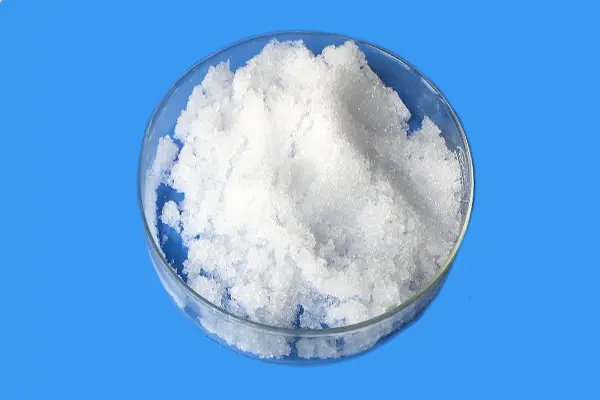
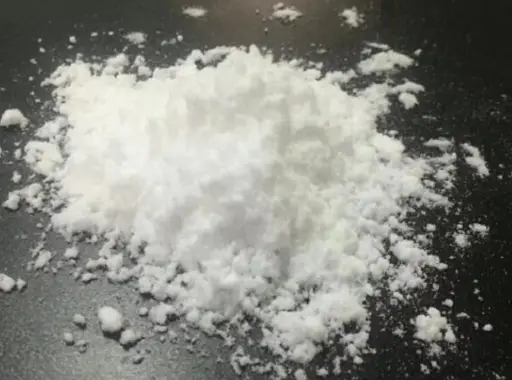
At its most basic level, potassium formate is the potassium salt of formic acid. Its chemical formula is HCOOK or CHKO₂. It is an organic salt, which distinguishes it from inorganic salts like sodium chloride. This organic nature is a key reason for many of its beneficial properties, particularly its biodegradability. In its solid form, it is a white, crystalline substance that is hygroscopic, meaning it readily absorbs moisture from the air. The production of potassium formate typically involves reacting potassium hydroxide or potassium carbonate with formic acid. The resulting compound is a stable and highly useful chemical compound.
The true power of potassium formate is unlocked when it is dissolved in water. It is highly soluble, allowing for the creation of high-density aqueous solution products. These solutions, often referred to as potassium formate brines, are clear, colorless, and have a variety of uses. Unlike many other brines, a potassium formate solution is non-toxic and readily biodegradable, making it an attractive choice for industries focused on sustainability and environmental protection.
This simple yet effective chemical compound has a unique set of physical and chemical properties. Its ability to dramatically lower the freezing point of water, its excellent thermal stability, and its capacity to form a dense fluid without suspended solids are what make it so valuable. These characteristics are the foundation for its most important roles in the oil and gas industry, deicing, and heat transfer systems.
What Makes the Solubility of Potassium Formate So Special?
The standout feature of potassium formate is its exceptional solubility in water. While many salts are soluble, potassium formate takes it to another level. It is highly soluble in water, capable of forming solutions with concentrations up to 75% by weight at room temperature. This high solubility is a game-changer because it allows users to create a fluid with a very high density and a very low freezing point, all without needing to suspend solid particles.
This ability to yield a high-density, clear brine is critically important. In many industrial applications, a heavy fluid is needed to control pressure, but suspended solids can cause damage to equipment or formations. Potassium formate solves this problem by increasing the fluid’s density simply through dissolution. The resulting potassium formate solution is a true solution, meaning it is completely uniform and stable.
Furthermore, this incredible solubility is directly linked to its effectiveness as a deicing agent and a heat transfer fluid. A highly concentrated potassium formate solution can have a freezing point as low as -60°C (-76°F). This means it can effectively melt ice and prevent ice formation in extremely cold conditions. For heat transfer applications, this low freezing point allows cooling systems to operate safely at sub-zero temperatures, providing a level of performance that many other fluids cannot match.
How is Potassium Formate Used in the Oil and Gas Industry?
In the demanding environment of the oil and gas industry, potassium formate has carved out a crucial role as a high-performance base for drilling fluid and completion fluids. A drilling fluid, also known as drilling mud, is essential for a successful drilling operation. It cools and lubricates the drill bit, carries rock cuttings to the surface, and, most importantly, exerts hydrostatic pressure to prevent blowouts from high-pressure formations.
The use of potassium formate in a drilling fluid system offers significant benefits. A potassium formate brine is a solids-free, high-density fluid. This provides excellent pressure control without the need for weighting agents like barite, which can damage the oil-producing reservoir. The formate ion also provides strong inhibition against shale swelling. When drilling through water-sensitive shale formations, traditional water-based fluids can cause the shale to absorb water and swell, which can destabilize the wellbore. The potassium formate-based fluid prevents this, leading to safer and more efficient drilling operations.
These properties contribute to better reservoir protection. Because the potassium formate fluid is solids-free and non-damaging, it helps to maximize the production from the well once drilling is complete. Furthermore, its environmental protection profile is a major advantage. As a biodegradable and non-toxic additive, potassium formate represents a more environmentally responsible choice compared to traditional chloride-based brines, which can contaminate soil and groundwater.
Why is Potassium Formate a Superior Deicing Agent for Runways?
When it comes to keeping airport runways and bridges safe during winter, not all deicers are created equal. While common salts like sodium chloride are effective at melting ice, they are also highly corrosive to metals and damaging to the environment. This is where potassium formate shines as a premium deicing agent. It is a powerful tool used to de-ice critical infrastructure safely and efficiently.
The primary advantage of potassium formate in deicing is its combination of high performance and low environmental impact. It works much faster than many other deicers and is effective at significantly lower temperatures. Because it drastically lowers the freezing point of water, it not only melts existing ice but also prevents new ice formation for an extended period. This is crucial for maintaining safe operations on an airport runway, where even a thin layer of ice is unacceptable.
Critically, potassium formate is much less corrosive than chloride-based salts. This is a vital feature for aviation, as it minimizes damage to sensitive aircraft components, landing gear, and airfield infrastructure. Its biodegradability means it breaks down naturally without leaving behind harmful residues like chloride ions. This makes it a preferred choice for environmentally sensitive areas, helping to protect local ecosystems while ensuring public safety. The choice to utilize potassium formate is a choice for both performance and responsibility.
Can Potassium Formate Be Used as a Heat Transfer Fluid?
Absolutely. The same properties that make potassium formate an excellent deicer also make it a superb heat transfer fluid, often referred to as a secondary refrigerant or coolant. In large-scale cooling systems, such as those found in supermarkets, food processing plants, and industrial facilities, a heat transfer fluid circulates to move thermal energy from one place to another.
A potassium formate solution is an ideal heat transfer fluid for several reasons. First, its very low freezing point allows systems to operate safely and efficiently at temperatures far below 0°C (32°F). Second, it has excellent thermal conductivity and low viscosity compared to glycol-based fluids, especially at low temperatures. This means it can transfer heat more efficiently and requires less pumping energy, leading to significant operational cost savings and improved energy efficiency.
Moreover, potassium formate offers a significant advantage in terms of safety and environmental impact. It is non-flammable, non-toxic, and biodegradable. This contrasts sharply with some traditional refrigerants and coolants that can be toxic or harmful to the environment. The low corrosion profile of potassium formate also extends the lifespan of pipes, pumps, and other system components, reducing maintenance costs and downtime. As industries seek more sustainable and efficient cooling solutions, the use of potassium formate as a heat transfer fluid is rapidly growing.
What are the Key Industrial Applications of Potassium Formate?
The unique properties of potassium formate have led to its adoption across various industries. Its versatility as a high-density brine, an effective deicer, and an efficient coolant means it solves problems in many different contexts.
Here is a summary of its major industrial applications:
- Oil and Gas Sector: As a primary component in high-performance, environmentally-friendly drilling and completion fluid formulations. The drilling fluid system with potassium formate is prized for its shale inhibition and reservoir protection capabilities.
- Deicing: As a premium, low-corrosion deicing agent for airport runways, taxiways, bridges, and other critical infrastructure. Its ability to de-ice quickly and at very low temperatures is a key benefit.
- Heat Transfer: As a secondary refrigerant or heat transfer fluid in industrial and commercial cooling systems. Its efficiency, safety, and low environmental impact make it a superior alternative to glycols.
- Fertilizer: Potassium formate can be used as a liquid potassium fertilizer. It provides plants with potassium, an essential nutrient, in a readily available, chloride-free form. This is particularly beneficial for crops that are sensitive to chloride.
- Production of Potassium Metal: The chemical compound in the production of potassium metal involves the electrolysis of molten potassium hydroxide. Potassium formate can be used in related processes in the chemical industry.
- Other Applications: It also finds niche uses as a reducing agent in certain reactions, in leather tanning, and as a component in fire extinguishing agents.
The wide range of applications of potassium formate demonstrates its value as a powerful and adaptable chemical compound.
How Does Potassium Formate Contribute to Environmental Protection?
A recurring theme in the success of potassium formate is its positive contribution to environmental protection. In an era where sustainability is paramount, potassium formate offers a greener alternative to many traditional chemicals, especially those based on chloride. Its eco-friendly profile is one of the main drivers of its increasing adoption in many industrial applications.
The most significant environmental benefit is its biodegradability. When a potassium formate solution is released into the environment, microorganisms break it down into water, carbon dioxide, and potassium ions. This natural degradation process prevents the long-term accumulation of harmful substances in soil and water. This is a stark contrast to sodium chloride or calcium chloride, which introduce persistent chloride ions that can harm plant life and aquatic ecosystems.
Furthermore, its low toxicity is a major advantage. It is considered safe for handling and has a low impact on aquatic life, which is particularly important for its use as a deicer where runoff into nearby waterways is a concern. The low corrosion rate of potassium formate also has an indirect environmental benefit. By preserving the integrity of pipes, vehicles, and aircraft, it reduces the need for replacement parts and the associated manufacturing footprint, contributing to a longer, more sustainable lifespan for critical equipment.
What is Involved in Drilling Operations with Potassium Formate?
Diving deeper into its role in the oil and gas sector, using a potassium formate-based drilling fluid involves a sophisticated approach to well construction. When planning for drilling and completion operations, engineers design the drilling fluid to meet the specific challenges of the geological formation. A potassium formate brine is often chosen for deep, high-pressure/high-temperature (HPHT) wells where wellbore stability is critical.
The process begins with mixing a concentrated potassium formate solution to the target density. This fluid is then circulated down the drill string and back up the annulus. As it circulates, potassium formate serves several functions: it provides the necessary hydrostatic pressure to control the well, its formate ions inhibit shale from swelling and caving in, and its solids-free nature prevents blockage of the reservoir’s pores. This concept is known as reservoir protection, and it is essential for maximizing the well’s productivity.
The good compatibility of potassium formate with other drilling additives allows for a highly customizable fluid system. Engineers can fine-tune the fluid’s properties to handle any challenges encountered during drilling operations. The thermal stability of the potassium formate molecule ensures that the fluid maintains its properties even at the high temperatures found deep underground. These outstanding advantages make it a premium choice for complex and demanding oil drilling projects.
How Does Potassium Formate Compare to Other Salts?
To fully appreciate the advantages of potassium formate, it’s helpful to compare it directly to other common salts used for similar purposes. Each salt has a different profile in terms of performance, cost, and environmental impact.
| Property | Potassium Formate | Sodium Chloride (NaCl) | Calcium Chloride (CaCl₂) | Potassium Acetate |
|---|---|---|---|---|
| Effective Temp. | Very Low (-60°C) | Moderate (-21°C) | Low (-52°C) | Very Low (-60°C) |
| Corrosion | Very Low | High | High | Low |
| Environmental Impact | Low (Biodegradable) | High (Chloride Pollution) | High (Chloride Pollution) | Low (Biodegradable) |
| Solubility | Very High | Moderate | High | Very High |
| Cost | High | Low | Moderate | High |
As the table shows, potassium formate and potassium acetate offer the best performance in terms of low-temperature effectiveness and low corrosion. While traditional salts like sodium chloride are cheaper, they come with significant drawbacks in terms of their corrosive nature and environmental harm. Potassium formate has outstanding advantages such as strong inhibition of corrosion and excellent biodegradability. For applications where performance and environmental protection are the top priorities, potassium formate is used as the superior choice, despite its higher initial cost.
What Future Application of Potassium Might We See?
The future for potassium formate looks bright as industries continue to search for high-performance, sustainable chemical solutions. While its current markets in oil and gas, deicing, and heat transfer are strong, new applications of potassium formate are on the horizon. The unique properties of this chemical compound open doors to innovation in various fields.
One promising area is in energy storage. Researchers are exploring the use of formate-based fluids, including potassium formate, as potential liquid organic hydrogen carriers (LOHCs) or as components in next-generation batteries and fuel cells. Its stability and ability to participate in chemical reactions make it an interesting candidate for green energy technologies.
In agriculture, the demand for chloride-free fertilizers is growing. As a source of essential potassium without the harmful chloride, potassium formate could see expanded use as a specialty liquid potassium fertilizer for high-value and salt-sensitive crops. As regulations tighten and the push for greener chemistry intensifies, the advantages of strong inhibition of corrosion and environmental harm that potassium formate offers will likely lead to its adoption in even more various industrial applications. This humble salt is well-positioned to be a key player in the sustainable chemistry of the future.
Key Takeaways to Remember
- Potassium Formate is a biodegradable organic salt of formic acid, known for its extremely high solubility in water.
- It is a top-tier drilling fluid base in the oil and gas industry, offering excellent shale inhibition and reservoir protection.
- As a deicing agent, it is highly effective at low temperatures, non-corrosive, and environmentally friendly, making it ideal for airport runways.
- Its low freezing point and excellent thermal properties make it a superior heat transfer fluid for industrial cooling systems.
- Compared to traditional chloride salts, potassium formate offers significantly better performance in terms of corrosion and environmental protection.
- Its versatility and green profile are driving its adoption in a growing number of industrial applications.
Post time: Nov-12-2025