

Potassium citrate is a key chemical compound with significant medical applications, most notably in managing and preventing certain types of kidney stones. If your doctor has mentioned this medication, or if you’re exploring ways to improve your kidney health, you’ve come to the right place. This guide offers a deep dive into what potassium citrate is, how it works, the importance of correct dosage, and a clear overview of potential side effects. We aim to answer your questions with reliable, easy-to-understand information, empowering you to have more informed conversations with your healthcare provider.
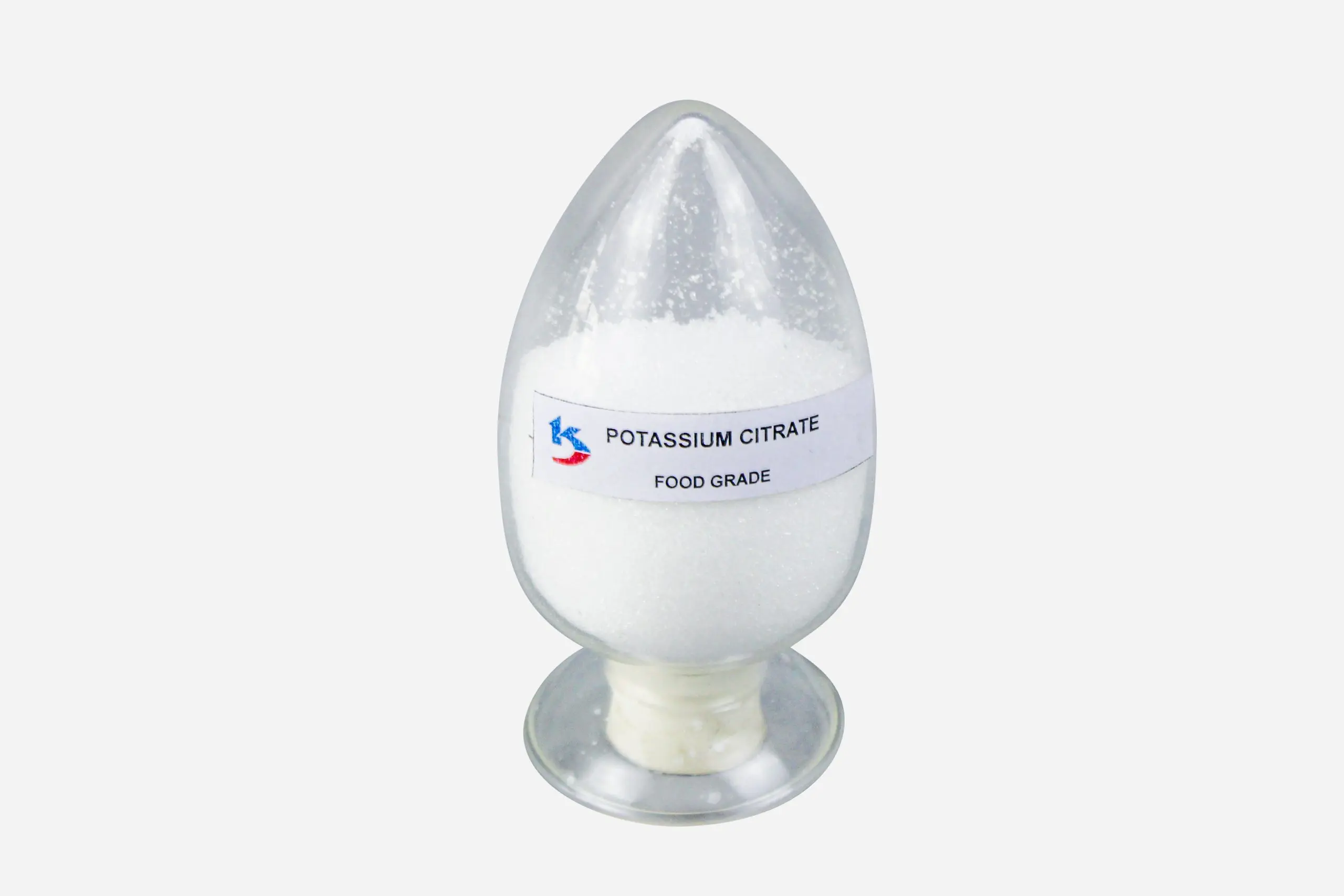
What Exactly is Potassium Citrate and How Does It Work?
So, what is this stuff? At its core, potassium citrate is the potassium salt of citric acid. You might see it on labels as E332. It’s a white, crystalline powder that is odorless and has a saline taste. In the medical world, it’s primarily known as a urinary alkalinizer. That’s a fancy way of saying it makes your pee less acidic. The combination of citric acid and potassium citrate is effective because once absorbed by the body, the citrate is metabolized into bicarbonate. This bicarbonate is then excreted into the urine, raising its pH and making it more alkaline (less acidic).
This change in urinary chemistry is the secret to its success. The medication essentially works by decreasing the amount of acid in the urine. A less acidic environment is less friendly to the formation of certain crystals. Think of it like changing the water conditions in a fish tank to prevent algae growth. By altering the chemical environment of your urinary tract, potassium citrate creates conditions that discourage stone formation. This simple mechanism is a powerful tool in preventative kidney care. This medicine is a crucial supplement for individuals prone to specific mineral buildups.
Many people wonder if they can just drink lemon juice, which is high in citrate. While dietary citrate is helpful, the amount needed to significantly change urine chemistry is often more than what most people can comfortably consume. That’s where a concentrated potassium citrate supplement comes in. It provides a therapeutic dose in a manageable form. The goal isn’t just to add citrate, but to deliver enough to make a measurable difference in your urinary pH and citrate levels, a task for which this medicine is specifically designed.
Why is Potassium Citrate Prescribed for Kidney Stones?
The number one reason doctors prescribe potassium citrate is to prevent kidney stones. But it’s not for all stones. It’s specifically effective for certain types of kidney stones, namely those made of calcium oxalate, uric acid, or a combination of the two. These stones thrive in acidic urine. When your pee is too acidic, calcium and oxalate or uric acid can easily crystallize and clump together, forming painful stones. Potassium citrate steps in and raises the urine‘s pH, making it more alkaline.
Here’s how it helps with different stones:
- Calcium Oxalate Stones: By increasing urinary citrate, this
medicationbinds withcalcium, which reduces the amount ofcalciumavailable to bind with oxalate. Less calcium oxalate means lessstone formation. The citrate itself also directly inhibits the growth of these crystals. - Uric Acid Stones: These stones form almost exclusively in acidic
urine. By making theurinemore alkaline, potassium citrate helps dissolveuric acid, making it easier for your body to flush it out before it can form stones.
Beyond prevention, potassium citrate is used to treat a condition called renal tubular acidosis, a kidney issue where the body fails to excrete acids into the urine, leading to metabolic acidosis (acidic blood). By providing an alkaline substance (bicarbonate, after metabolism), it helps correct this imbalance. The ultimate goal of this medicine is to create a urinary environment that actively works to prevent kidney stones from ever getting a foothold. It’s a proactive approach to managing a painful and recurring condition.
How Should I Take This Medication for the Best Results?
Following instructions on how to take this medication is crucial for its effectiveness and for minimizing side effects. You should always take your medication exactly as your doctor prescribes it. Potassium citrate tablets or crystals should be taken by mouth, and it’s highly recommended to take them with a meal or within 30 minutes of eating. This helps reduce the risk of gastrointestinal issues like an upset stomach.
A key part of the therapy is hydration. Your doctor will likely advise you to drink plenty of fluids throughout the day. This isn’t just general health advice; it’s essential for helping the medication work. More fluid means more urine, which helps flush out potential stone-forming materials and keeps them diluted. Ask your doctor about the specific amount of fluid you need to drink daily. Some potassium citrate products come in an extended-release tablet form. Do not crush, chew, or break these tablets. You must swallow them whole. Breaking the tablet can release the entire dose at once, increasing the risk of stomach irritation or more serious side effects. If you have trouble swallowing pills, discuss this with your doctor or pharmacist, as there may be a liquid or crystal form available.
Remember, consistency is key. Taking the medication at the same times each day helps maintain a stable level of the medicine in your body and a consistently alkaline urine. This steady state is what best prevents stone formation. It’s a daily commitment to your kidney health.
What is the Typical Dose of Potassium Citrate?
There is no one-size-fits-all answer to this question. The correct dose of potassium citrate is highly individualized. Your doctor will determine the right dose for you based on several factors, primarily the results of your blood and urine tests. Before starting the medication, your doctor will likely want to check your serum electrolytes (especially potassium levels) and your urinary citrate and pH levels.
The starting dose is often adjusted based on your body’s response. You may need to have regular blood work done to monitor your potassium levels and ensure they don’t get too high, a condition known as hyperkalemia. Your doctor will also monitor your urinary pH to see if the dose is sufficient to reach the target level of acidity (or alkalinity, in this case). This monitoring is a critical part of the treatment, ensuring the medicine is both safe and effective for your specific health conditions.
It’s vital that you do not adjust the dose on your own. Taking too little may not be effective at preventing kidney stones, while taking too much can lead to dangerous side effects. The prescription you receive is tailored to your unique biochemistry. Trust the process of regular check-ups and blood work, as this allows your healthcare provider to fine-tune your treatment plan for the best possible outcome.
What Are the Most Common Side Effects of Potassium Citrate?
Like any medication, potassium citrate comes with a risk of side effects. The good news is that most are mild and relate to the digestive system. This is because the medicine can irritate the stomach lining. The most common side effects include:
- Nausea
- Upset stomach or indigestion
- Mild diarrhea
Vomiting- Abdominal discomfort
Many of these side effects of potassium citrate can be minimized or prevented by following the instructions to take this medication with food and plenty of fluids. If you experience persistent or bothersome gastrointestinal symptoms, don’t just stop taking the medication. Talk to your doctor. They may be able to adjust your dose or suggest a different formulation (like an extended-release tablet) to ease the discomfort.
It’s important to differentiate between mild discomfort and a more severe reaction. Mild nausea after a dose might be expected initially, but severe, ongoing vomiting is a reason to call your doctor. Your body may need time to adjust to the medicine, but you should always keep your healthcare provider informed about how you’re feeling. They need this feedback to manage your treatment effectively.
Are There Any Serious Side Effects I Should Worry About?
While rare, there are serious side effects associated with potassium citrate that require medical attention immediately. The most significant concern is hyperkalemia, which is an dangerously high level of potassium in the blood. Because potassium citrate is a potassium supplement, this is a primary risk, especially for people with impaired kidney function.
Seek immediate medical attention if you experience symptoms of hyperkalemia, such as:
- Muscle weakness or limp feelings
- Tingling or numbness in your hands, feet, or around your mouth
- A slow, fast, or irregular heartbeat
- Confusion or anxiety
- Severe dizziness or fainting
Another serious concern is irritation or damage to the stomach or intestines. Contact your doctor right away if you experience severe stomach pain, persistent vomiting (especially if it looks like coffee grounds), or black, tarry stools. These could be signs of bleeding in your digestive tract. Finally, although very rare, a severe allergic reaction is possible. Symptoms of an allergic reaction to potassium citrate include rash, itching/swelling (especially of the face, tongue, or throat), severe dizziness, and trouble swallowing or breathing. If this occurs, it is a medical emergency. While these serious side effects are uncommon, it is crucial to be aware of them.
What Happens If I Miss a Dose of This Medicine?
Forgetting to take a dose of medication happens to everyone. If you miss a dose of potassium citrate, the general advice is to take it as soon as you remember. However, there’s a key exception.
If it is almost time for your next scheduled dose, you should skip the missed dose entirely. Do not take extra medicine to make up for the one you missed. Doubling the dose can significantly increase your risk of stomach upset and, more importantly, can raise your potassium levels to a dangerous point. Simply get back on your regular schedule with the next dose. If you frequently miss a dose, talk to your pharmacist or doctor about strategies to help you remember, such as using a pill organizer or setting daily alarms on your phone. Consistency is vital for this medication to effectively prevent kidney stones.
Which Other Medicines May Interact with Potassium Citrate?
Drug interactions are a critical safety consideration. Several types of medication may interact with potassium citrate, primarily those that also affect potassium levels or kidney function. It is essential to give your doctor a complete list of medicines you are taking, including prescription drugs, over-the-counter medication, vitamins, and herbal supplements.
Here are some of the most significant items that may interact:
- Potassium-Sparing Diuretics: These are "water pills" like spironolactone, amiloride, or triamterene. They cause your body to hold on to potassium, and taking them with
potassium citrate couldlead tohyperkalemia. - ACE Inhibitors and ARBs: These blood pressure medications (e.g., lisinopril, losartan) can also increase potassium in the blood. The combination requires careful monitoring.
- Other Potassium Supplements: This includes things like Potassium Chloride or potassium found in salt substitutes. Using them together greatly increases the risk of
overdosage. - Antacids: Some antacids contain
calcium, aluminum, or magnesium, which can affect how your body absorbs and usespotassium citrate. For example, some chemicals like Sodium Acetate or Dipotassium Phosphate might have unforeseen interactions if not monitored. - Drugs that slow digestion: Medications like atropine or certain drugs for irritable bowel syndrome can increase the time the
potassium citratetablet stays in your stomach, raising the risk of irritation.
Always consult your pharmacist or doctor before starting any new non-prescription drugs while on this therapy. Proper management of potential interactions is a key part of safely using this medicine.
Can Potassium Citrate be Used for Conditions Other Than Gout?
While its primary role is in managing kidney stones and renal tubular acidosis, the mechanism of potassium citrate—decreasing the amount of acid in the urine—has led to it being explored for other conditions. One such condition is gout. Gout is a form of inflammatory arthritis caused by high levels of uric acid in the blood, which can form crystals in the joints.
The same principle that helps prevent uric acid kidney stones can also help manage gout. By making the urine more alkaline, potassium citrate can help the kidneys excrete uric acid from the body more efficiently. This helps lower the overall uric acid level in the blood, reducing the risk of developing a painful gout attack. It is not a first-line treatment for gout but may also be used as an add-on therapy, particularly for patients who have both gout and uric acid kidney stones. Any use for conditions outside its main FDA-approved indications should be strictly under the guidance of a healthcare professional.
What Should My Doctor Know Before I Start Taking This Medication?
Before you are given a prescription for potassium citrate, it’s vital that your doctor has a complete picture of your health. Certain pre-existing health conditions can make taking this medication risky. Be sure to inform your doctor if you have a history of any of the following:
- High Potassium Levels (
Hyperkalemia): If you already have high potassium, thismedicationis generally contraindicated. - Severe Kidney Disease: If your kidneys aren’t working properly, they may not be able to excrete potassium, leading to dangerous buildup.
- Addison’s Disease: This adrenal gland disorder can cause high
potassium levels. - Stomach or Intestinal Problems: Conditions like a peptic ulcer, a blockage, or slow digestion can increase the risk of tablet-induced irritation or obstruction.
- An
unusual or allergic reaction: Tell your doctor if you’ve ever had a bad reaction to potassium citrate or any othermedicine. Even other potassium salts, like Ammonium Sulfate, could indicate a sensitivity. - If you are on a
special diet: For example, a low-potassium or low-salt diet. - Dehydration: You should not
take this medicationif you are severely dehydrated.
If you have ever been told you have a problem with your heart’s electrical signals or have had trouble with other chemicals like Sodium Metabisulfite, it is important to share this. Providing this information upfront helps your doctor make the safest and most effective treatment choice for you. If you have taken too much and suspect an overdosage, contact a poison control center or seek emergency medical attention immediately.
Key Takeaways to Remember
- Primary Use: Potassium citrate is a
medicineprimarily used toprevent kidney stones(calcium oxalate and uric acid) by making yoururineless acidic. - How to Take: Always
take this medicationwith food or a snack and drinkplenty of fluidsto minimize stomach upset and maximize effectiveness. - Dosage is Personal: Your
doseis tailored to you based onblood and urinetests. Never change it without consulting your doctor. - Common Side Effects: Expect possible mild
side effectslike nausea or stomach discomfort. These can often be managed. - Serious Side Effects: Be aware of the signs of high
potassium levels(hyperkalemia), such as muscle weakness and irregular heartbeat, and seek immediate help if they occur. - Drug Interactions: Inform your doctor about every single
medicationyou take, especially diuretics and certain blood pressure medicines, to avoid dangerous interactions. - Be Open with Your Doctor: Discuss all your
health conditions, especiallykidney, heart, or stomach problems, before starting treatment.
Post time: Jun-19-2025