

Potassium acetate is a vital electrolyte replenisher and buffer used in various medical settings. This article serves as a comprehensive resource, providing in-depth information on its uses, dosage guidelines, potential side effects, warnings, and mechanism of action. Whether you’re a healthcare professional, a patient, or simply seeking to understand this crucial compound, this guide offers valuable insights for safe and effective use.
What is Potassium Acetate and What is it Used For?
Potassium acetate is a chemical compound, a potassium salt of acetic acid, with the formula CH3COOK. It’s an essential electrolyte replenisher commonly used in healthcare to treat low potassium levels (hypokalemia) in the blood. Hypokalemia can result from various factors, including certain medications (e.g., diuretics), prolonged vomiting or diarrhea, and specific medical conditions. Potassium acetate is often used as an additive in intravenous (IV) fluids to restore potassium balance in hospitalized patients. It can also be found in some pharmaceutical preparations. It functions as a source of potassium, an essential ion for various bodily functions.
[Image of Potassium Acetate from kandschemical.json]
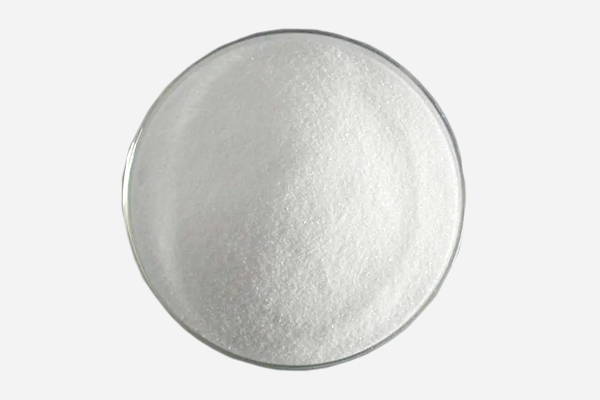
Potassium is important and helps maintain the correct balance of fluids inside the body. Potassium acetate may be used to replace the potassium that the body needs. It is essential for maintaining healthy cell function, especially in nerve and muscle tissue.
What is the Pharmacology of Potassium Acetate?
The pharmacology of potassium acetate centers on its role as an electrolyte replenisher. When administered intravenously, potassium acetate dissociates into potassium ions (K+) and acetate ions (CH3COO-). The potassium ions directly increase serum potassium levels, correcting hypokalemia. The acetate ion is metabolized in the body, ultimately producing bicarbonate, which helps buffer acidity and contribute to maintaining acid-base balance. The kidneys play a crucial role in regulating potassium excretion, ensuring a balance between intake and elimination. This renal function is vital in preventing both hypokalemia and hyperkalemia (high potassium levels).
The therapeutic effects of potassium acetate primarily involve restoring normal cellular function, particularly in nerves and muscles. Potassium is critical for maintaining the resting membrane potential of cells, which is essential for nerve impulse transmission and muscle contraction.
What is the Recommended Dosage of Potassium Acetate?
The dosage of potassium acetate is highly individualized and must be determined by a healthcare provider. It’s based on the patient’s specific potassium level, the severity of hypokalemia, kidney function, and other medical conditions. Potassium acetate is typically administered intravenously, and the rate of administration is carefully controlled to avoid potentially dangerous side effects, such as cardiac arrhythmia. Dosage adjustments are often needed based on regular monitoring of serum potassium levels.
It is crucial to follow the prescription and instructions from your healthcare provider. Never adjust the dosage without consulting your doctor. The product Potassium Acetate from Kands Chemical is available and information about industrial use and bulk availability can be found on their website.
What precautions should i take when using potassium acetate?
Before starting potassium acetate, it’s vital to discuss your full medical history with your healthcare provider. This includes any pre-existing medical conditions, especially kidney disease, heart problems, or adrenal insufficiency. Also, inform your doctor about all medications, supplements, and herbal remedies you’re currently taking, as some may interact with potassium acetate. Special precaution should be taken if you are pregnant or breastfeeding.
Here are some key precautions to remember:
- Regular Monitoring: Frequent monitoring of serum potassium levels and electrocardiogram (ECG) readings is essential during potassium acetate therapy.
- Kidney Function: Patients with impaired kidney function require careful dose adjustments and close monitoring.
- Dietary Considerations: Your doctor may advise you on dietary adjustments, including limiting high-potassium foods.
- Tell Your Doctor: If you experience any unusual symptoms like shortness of breath.
What are the Contraindications for Potassium Acetate?
Potassium acetate is contraindicated (should not be used) in patients with certain medical conditions. These include:
- Hyperkalemia: Patients with already high potassium levels should not receive potassium acetate.
- Severe Renal Impairment: Individuals with severe kidney failure or those on dialysis may not be able to excrete potassium effectively, leading to a dangerous buildup.
- Untreated Addison’s Disease: This condition can cause potassium retention, and potassium acetate could worsen the situation.
- Acute Dehydration: Dehydration can increase potassium concentration in the blood.
- Concomitant use with potassium-sparing diuretics.
Always inform your healthcare provider about your complete medical history to determine if potassium acetate is safe for you. The FDA also provides databases and information on the use and regulation of many drugs.
What Happens in Case of a Potassium Acetate Overdose?
A potassium acetate overdose can be life-threatening due to the risk of hyperkalemia. Symptoms of overdose may include:
- Muscle weakness or paralysis
- Irregular heartbeat (arrhythmia), potentially leading to cardiac arrest
- Numbness or tingle sensations
- Confusion
- Difficulty breathing
If you suspect an overdose, seek immediate medical attention. Treatment typically involves measures to lower serum potassium levels, such as administering intravenous fluids, diuretics (medications that increase urine output), or other medications that help shift potassium back into cells. Continuous cardiac monitoring is also crucial.
What are the Potential Side Effects of Potassium Acetate?
While potassium acetate is generally safe when used appropriately, it can cause potential side effects. Mild side effects when taking potassium acetate may include:
- Nausea or vomiting
- Stomach upset or diarrhea
- Mild abdominal pain
More serious adverse effects are less common but can include:
- Hyperkalemia (high potassium), with symptoms like muscle weakness, irregular heartbeat, and confusion.
- Allergic reaction (rare), with symptoms such as rash, itching, swelling, dizziness, or difficulty breathing.
- Injection site reactions (pain, redness, or swelling at the IV site).

If you experience any adverse reactions, tell your doctor immediately. Potassium is not the only concern, other organic compounds like the related product Sodium Diacetate need to be considered, as incorrect chemical use can have negative impacts.
How Does Potassium Acetate Work? (Mechanism of Action)
The mechanism of action of potassium acetate is relatively straightforward. As an electrolyte replenisher, it provides potassium ions (K+), which are essential for numerous physiological processes.
Here’s a breakdown:
- Restoring Intracellular Potassium: Potassium is the primary cation inside cells (intracellular). Potassium acetate, when administered intravenously, increases the concentration of potassium in the blood plasma, which then helps to restore normal potassium levels within cells.
- Maintaining Membrane Potential: Potassium is crucial for maintaining the electrical potential difference across cell membranes. This is vital for nerve impulse transmission, muscle contraction, and heart function.
- Acid-Base Balance: The acetate component of potassium acetate is metabolized to bicarbonate, which acts as a buffer to help regulate the body’s acidity.
Therefore, the mechanism of action can be seen to resolve issues caused by low potassium and assist in restoring balance. Potassium works with other minerals, for example Kands Chemical also offer a range of Phosphate products such as Monopotassium Phosphate.
Important Patient Information Regarding Potassium Acetate
- Always inform your healthcare provider about all your medical conditions and medications before starting potassium acetate.
- Follow the prescribed dosage carefully and attend all scheduled appointments for monitoring.
- Be aware of the signs and symptoms of both hypokalemia and hyperkalemia.
- Report any unusual symptoms or side effects to your doctor promptly.
- Do not self-adjust your dosage or stop taking potassium acetate without consulting your healthcare provider.
Additional Information and Resources on Potassium Acetate
For those managing conditions that require careful electrolyte balance, Kands Chemical offers a range of products, including [Potassium Chloride](https://www.kandschemical.com/potassium-chloride/) , which may be relevant for maintaining optimal potassium levels in conjunction with or as an alternative to potassium acetate, depending on specific medical needs.- The National Institutes of Health (NIH): Provides comprehensive information on various health topics, including potassium and electrolyte imbalances.
- The Food and Drug Administration(FDA): They are an important source of information about drugs, their uses, and potential side effects..
- Your Healthcare Provider: Your doctor, nurse, or pharmacist is the best source of personalized information about potassium acetate and its use in your specific situation.
Professional Companies: Companies such as Kands Chemical provide various potassium, sodium, calcium and other chemicals, for example Trisodium Pyrophosphate.
Key Points to Remember:
- Potassium acetate is a vital electrolyte replenisher used to treat hypokalemia.
- Dosage is individualized and must be determined by a healthcare provider.
- Regular monitoring of potassium levels and kidney function is essential.
- Be aware of potential side effects and contraindications.
- Seek immediate medical attention for any signs of overdose.
- Always follow your healthcare provider’s instructions carefully.
- Never alter dose without guidence from a healthcare provider.
- Inform your doctor about all medications before starting.
- Potassium acetate is mainly used intravenously.
This article is for informational purposes only and does not constitute medical advice. Always consult with a qualified healthcare professional for diagnosis and treatment of any medical condition.
Post time: Feb-26-2025