

Ferric pyrophosphate is a name you might hear in medical settings, especially concerning iron deficiency and kidney health. But what exactly is it? This compound is a game-changer in the world of iron supplementation, offering a unique way to deliver essential iron to the body. If you’re looking for a clear, straightforward explanation of what ferric pyrophosphate is, how it works, and why it’s so important for treating certain types of anemia, you’ve come to the right place. This article will break down everything you need to know about this vital compound, from its chemical nature to its clinical applications and benefits.
What is Ferric Pyrophosphate at its Core?
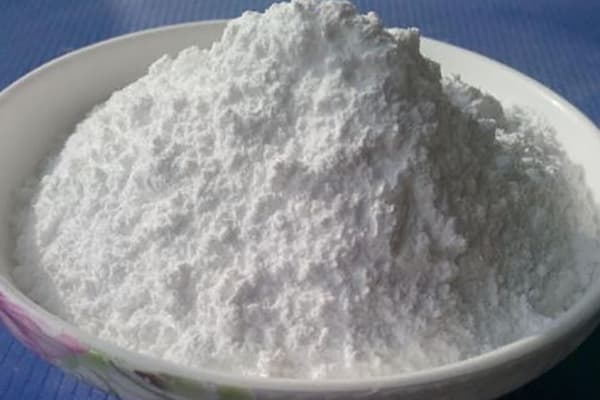
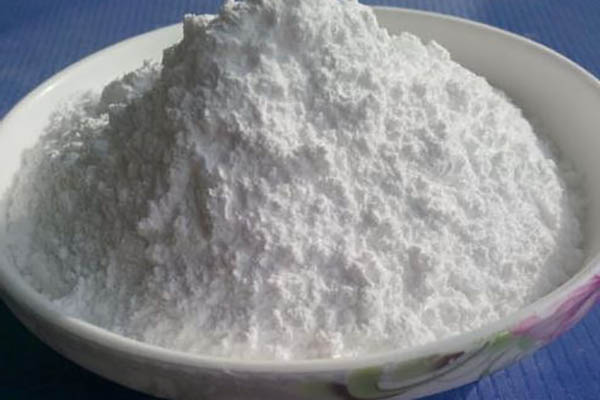
At its most basic level, ferric pyrophosphate is an inorganic chemical compound. It’s a type of iron salt formed from ferric iron (Fe³⁺) and pyrophosphate ions (P₂O₇⁴⁻). Think of it as a carefully constructed package designed to carry iron. Unlike the iron you might find in a rusty nail, the iron in this compound is in a form that the body can potentially use more effectively, especially in specific medical treatments. The pyrophosphate part of the molecule plays a crucial role in keeping the iron stable and soluble, which is key to how it functions.
The chemical structure of ferric pyrophosphate is what makes it unique among iron compounds. It’s not as simple as common supplements like ferrous sulfate. The bond between the iron and the pyrophosphate allows it to remain stable in solutions, which is particularly important for its medical applications. This stability prevents the iron from being released too quickly or reacting with other substances before it reaches its target in the body, which helps minimize some of the common side effects associated with other forms of iron supplementation.
This unique formulation is central to its primary use: to treat iron deficiency. The goal is to provide a source of adequate iron that can be easily absorbed and utilized by the body to make hemoglobin and support other vital functions. The relationship between iron and pyrophosphate in this molecule is a perfect example of how chemistry can be harnessed to solve complex biological problems, like replenishing iron stores safely and efficiently.
Why is Iron Supplementation Crucial for Chronic Kidney Disease?
Patients suffering from chronic kidney disease (CKD) often develop anemia, a condition where the body doesn’t have enough healthy red blood cells. This happens for two main reasons. First, a healthy kidney produces a hormone called erythropoietin (EPO), which signals the bone marrow to make red blood cells. When kidneys are damaged, they don’t produce enough EPO. Second, patients with CKD, especially those on dialysis, often lose blood during the treatment process and have trouble absorbing iron from food. This combination creates a persistent state of iron deficiency.
Without sufficient iron, the body cannot produce hemoglobin, the protein in red blood cells that carries oxygen. This leads to the classic symptoms of anemia: fatigue, weakness, shortness of breath, and dizziness. For someone already battling chronic kidney disease, these symptoms can be debilitating. Therefore, maintaining adequate iron levels is not just beneficial; it’s a critical part of managing their overall health and quality of life. Standard oral iron supplements are often not effective enough or cause gastrointestinal side effects.
This is where specialized iron supplementation comes in. The goal is to bypass the absorption issues and deliver iron directly where it’s needed. For patients undergoing hemodialysis, treatments like ferric pyrophosphate are designed to seamlessly integrate into their existing therapy. By providing a steady and available source of iron, these treatments help manage anemia, reduce the need for blood transfusions, and support the effectiveness of EPO therapy, ultimately helping patients feel better and lead more active lives.
How is Ferric Pyrophosphate Given to Dialysis Patients?
One of the most innovative aspects of ferric pyrophosphate is its method of administration for hemodialysis patients. Instead of being given as a separate pill or injection, it is delivered directly into the bloodstream via the dialysate. The dialysate is the fluid used in dialysis to clean waste products from the blood. The ferric pyrophosphate compound is added to the bicarbonate concentrate, which is then mixed into the final dialysate solution.
During a hemodialysis session, as the patient’s blood flows through the dialyzer, it comes into contact with this iron-enriched dialysate. The magic happens here: the ferric pyrophosphate is designed to cross the dialyzer membrane and bind directly to transferrin, the protein in the blood that transports iron. This process, known as delivery of iron via dialysate, is a gentle and gradual way to replace iron. It mimics the body’s natural process of iron absorption and transport, providing a steady supply of iron throughout the entire dialysis treatment.
This method offers significant advantages over traditional intravenous (IV) iron. High-dose IV injections can release a large amount of iron at once, potentially overwhelming the body’s transport system and leading to oxidative stress or iron overload. The gradual iron delivery from ferric pyrophosphate avoids these peaks, maintaining a stable iron balance. This makes it a safer and more physiologically natural way to manage iron deficiency in the hemodialysis population.
What is the Correct Dosage for Ferric Pyrophosphate Treatment?
Determining the correct dose of ferric pyrophosphate is a task for a qualified healthcare provider and is tailored to each patient’s individual needs. There is no one-size-fits-all dosage. The primary goal is to maintain the patient’s hemoglobin levels within a target range and ensure their iron stores are sufficient without becoming excessive. It’s a delicate balancing act that requires regular monitoring.
A doctor will consider several factors when prescribing a dose, including:
- The patient’s current hemoglobin and iron levels (measured through tests like serum ferritin and transferrin saturation).
- The patient’s ongoing iron losses, which are common in hemodialysis.
- The patient’s response to any concurrent treatments, such as EPO therapy.
- Their overall health status and any other medical conditions.
The amount of ferric pyrophosphate added to the dialysate is carefully calculated to deliver a specific amount of elemental iron during each dialysis session. For example, a common dosage might be designed to replace the typical amount of iron lost during a week of hemodialysis. The doctor will then regularly check the patient’s blood work and adjust the dose as needed to achieve optimal iron homeostasis. It is crucial for patients to understand that they should never attempt to alter their treatment plan without medical supervision.
How Does this Iron Compound Compare to Traditional Iron Therapies?
When it comes to treating iron deficiency, especially in complex cases like chronic kidney disease, ferric pyrophosphate stands out from more traditional iron compounds. Let’s compare it to some of the most common options.
| Feature | Ferric Pyrophosphate (via Dialysate) | Oral Iron (e.g., Ferrous Sulfate) | IV Iron (e.g., Iron Dextran) |
|---|---|---|---|
| Delivery Method | Gradual, via hemodialysis dialysate | Oral administration (pills) | Intravenous injection |
| Absorption | Bypasses the gut; directly binds to transferrin | Relies on gut absorption, which can be inefficient | Direct delivery into the bloodstream |
| Common Side Effects | Generally well-tolerated; fewer GI issues | Side effects such as constipation, nausea, stomach upset | Risk of infusion reactions, iron overload, oxidative stress |
| Physiology | Mimics natural, steady iron uptake | Can cause GI irritation due to free iron | Delivers large, non-physiological bolus of iron |
Oral iron preparations like ferrous sulfate and ferrous fumarate are often the first line of defense for simple iron deficiency anemia. However, their absorption can be poor, and they are notorious for causing gastrointestinal distress. In contrast, since ferric pyrophosphate is delivered via the dialysate, it completely bypasses the digestive system, eliminating these issues.
Intravenous (IV) iron, such as iron dextran, is effective at rapidly increasing iron stores. However, this method involves injecting a large amount of iron at once. This can lead to a state of iron overload, where there is too much free iron in the blood, potentially causing cellular damage. There’s also the risk of having an allergic reaction to any injected iron product. The ferric pyrophosphate formulation offers a more controlled and physiological approach to iron replacement.
What Have Clinical Trials Revealed About Ferric Pyrophosphate?
The effectiveness and safety of ferric pyrophosphate are not just theoretical; they are backed by extensive clinical trials. These studies have been crucial in demonstrating how this novel iron formulation can effectively manage anemia in patients on hemodialysis. The primary focus of these trials was to see if the compound could maintain hemoglobin levels and reduce the need for IV iron and other anemia medications.
Results from major clinical trials have been overwhelmingly positive. They showed that patients who receive ferric pyrophosphate through their dialysate were able to maintain stable hemoglobin levels compared to those who received a placebo. This means the delivery of iron via dialysate was successful in replacing ongoing iron losses. A key finding was that this was achieved without causing a dangerous increase in markers of iron stores, indicating a lower risk of iron overload.
Furthermore, these clinical trials highlighted the safety profile of the treatment. The incidence of serious adverse effects was comparable between the treatment and placebo groups. This data was instrumental in gaining regulatory approval and establishing ferric pyrophosphate as a valuable iron replacement product. The research confirms that this method of iron supplementation is not just an interesting idea but a proven and effective therapy for a vulnerable patient population.
Are There Possible Side Effects to Be Aware Of?
Like any medical treatment, it’s important to be aware of the possible side effects associated with ferric pyrophosphate. Generally, because it’s delivered in a way that mimics the body’s natural processes and avoids the gastrointestinal tract, it is very well-tolerated. The most common adverse effects reported in clinical trials were mild and often related to the hemodialysis procedure itself, such as headache, muscle spasms, or low blood pressure.
A major concern with other forms of iron therapy, particularly IV iron, is the risk of a severe allergic reaction. Patients who have had a reaction to any injected iron in the past must be cautious. While the unique delivery mechanism of ferric pyrophosphate may reduce this risk, it is still crucial to inform your healthcare provider about any past allergies. You should not use ferric pyrophosphate if you have a known allergy to it.
It’s also important to monitor iron levels to prevent iron overload, although this risk is considered lower with ferric pyrophosphate compared to high-dose IV iron therapies. Your medical team will perform regular blood tests to ensure your iron status remains in a safe and therapeutic range. Always report any unusual symptoms to your doctor immediately.
What is the Special Role of the Citrate Formulation?
You may also hear about a specific formulation called ferric pyrophosphate citrate. This version is a key innovation because the addition of citrate makes the compound highly soluble in water. This solubility is what allows it to be easily mixed into the bicarbonate concentrate for dialysis and is also critical for the development of a novel oral version of the drug.
The citrate molecule acts as a carrier, keeping the ferric pyrophosphate complex intact and preventing the iron from precipitating out of the solution. When administered via the dialysate during hemodialysis, the ferric pyrophosphate citrate complex crosses the membrane, and the citrate helps facilitate the transfer of iron directly to transferrin. This efficient iron transfer is what makes the treatment so effective at maintaining iron balance.
The development of ferric pyrophosphate citrate represents a significant advancement in iron therapy. It provides a stable, soluble, and bioavailable source of iron that can be administered in a more physiological manner. Whether used to treat iron deficiency in dialysis or explored for other applications, the citrate component is a vital part of its success. This makes it a distinct and advanced option compared to other inorganic iron compounds like basic Ferric Phosphate.
How Does Ferric Pyrophosphate Enhance Iron Uptake?
The mechanism behind the enhanced iron uptake from ferric pyrophosphate is elegant and efficient. The core principle is delivering iron in a form that is ready for immediate use by the body’s natural transport system. The pyrophosphate and citrate components of the molecule protect the iron atom, allowing it to travel to the precise location where it is needed most.
When ferric pyrophosphate is administered through the dialysate, it doesn’t just flood the system with free iron. Instead, the complex travels across the dialysis membrane and interacts directly with transferrin. The iron is then handed off from the pyrophosphate carrier to the transferrin protein. This process ensures that the iron is immediately bound and transported safely through the bloodstream to the bone marrow, where it can be incorporated into new red blood cells.
This direct-to-transferrin pathway is what sets ferric pyrophosphate apart. It bypasses the cellular storage and processing steps that other forms of iron must go through. By delivering available transferrin-bound iron directly, the treatment can effectively enhance iron utilization for hemoglobin synthesis. This leads to a more stable and responsive management of anemia, helping to maintain the patient’s iron status without the peaks and troughs associated with other methods.
What Should I Discuss with a Healthcare Provider Before Use?
Before you receive ferric pyrophosphate, having an open and thorough conversation with your healthcare provider is essential. This is the best way to ensure the treatment is safe and effective for you. Be prepared to discuss your complete medical history.
Key points to cover with your doctor include:
- Allergies: Be sure to tell them if you have ever had an allergic reaction to any injected iron product or any other medication. Mention if you know you have a sensitivity to pyrophosphate if you have ever encountered it.
- Medical History: Inform them about all your health conditions, particularly any liver problems or conditions related to iron metabolism, like hemochromatosis.
- Current Medications: Provide a list of all prescription drugs, over-the-counter medicines, vitamins, and supplements you are taking. Some substances can interact with iron use.
- Pregnancy and Breastfeeding: If you are pregnant, planning to become pregnant, or are breastfeeding, discuss this with your doctor, as it may affect treatment decisions.
This information will help your doctor determine if ferric pyrophosphate is used appropriately in your case and what the correct dosage should be. Don’t hesitate to ask questions about the treatment of iron deficiency, what to expect during the process, and any concerns you might have. Your healthcare team is your best resource for information and support. Proper communication is key to successful treatment of iron deficiency anemia. While this compound is specialized, understanding basic chemical safety with related materials like Trisodium Phosphate is always a good practice.
Key Takeaways to Remember
- Ferric pyrophosphate is a unique iron compound used to treat iron deficiency, particularly in hemodialysis patients.
- It is administered directly into the bloodstream via the dialysate, bypassing the digestive system and avoiding many common side effects of oral iron.
- This method delivers iron gradually, mimicking the body’s natural processes and reducing the risk of iron overload associated with high-dose IV injections.
- Clinical trials have proven it effective at maintaining hemoglobin levels and safe for long-term iron supplementation.
- The ferric pyrophosphate citrate formulation is highly soluble, which is key to its effectiveness in dialysis.
- The correct dose is always determined by a healthcare provider based on individual patient needs and regular blood monitoring.
- Always discuss your full medical history and any allergies with your doctor before starting treatment.
Post time: Sep-11-2025