

If you’ve ever glanced at the ingredient list on a can of soup, a package of processed cheese, or a bottle of soda, you may have seen a curious term: sodyòm hexametaphosphate. Sometimes listed as E452i, this common aditif manje plays a surprisingly large role in the food we eat every day. But what is it, exactly? And more importantly, is sodium hexametaphosphate safe for consumption? This article will unravel the mystery behind this versatile ingredient, explaining what it is, why the endistri manje loves it, and what science says about its safety. We’ll explore its many functions, from preserving freshness to improving texture, giving you the clear, straightforward answers you need.
What Exactly is Sodium Hexametaphosphate?
Nan nwayo li, sodyòm hexametaphosphate (souvan abreje kòm Shmp) is an inorganic polifosfat. That might sound complicated, but let’s break it down. "Poly" means many, and "phosphate" refers to a molecule containing fosfò and oxygen. So, Shmp is a long chain made of repeating phosphate units linked together. Specifically, its fòmil chimik represents a polymer with an average of six repeating phosphate units, which is where the "hexa" (meaning six) in its name comes from. It’s produced through a process of heating and rapidly cooling monosodium orthophosphate.
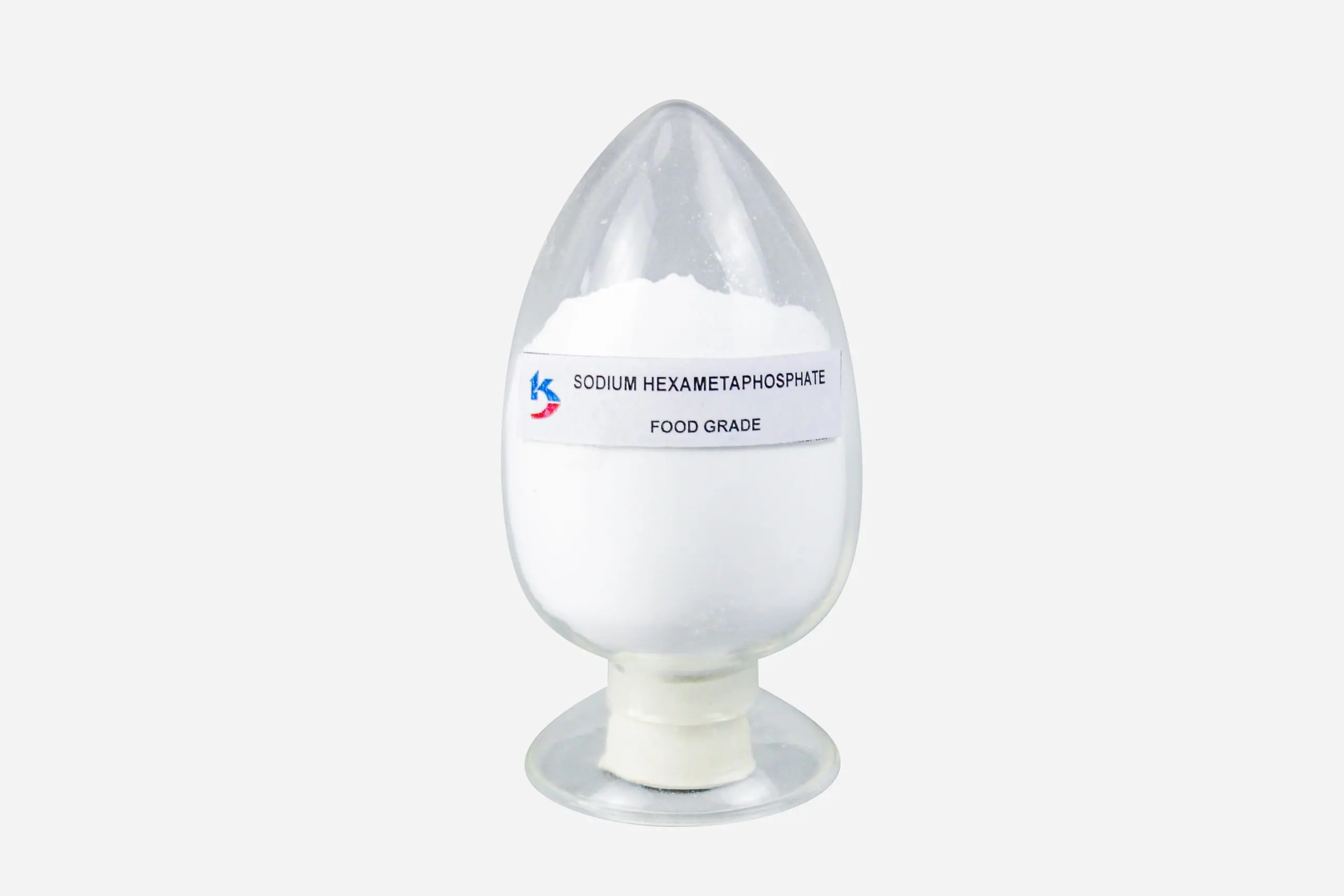
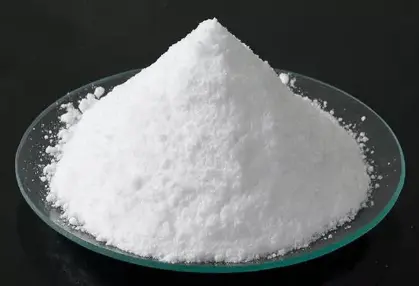
Chemically, sodyòm hexametaphosphate belongs to a class of compounds known as polyphosphates. It typically comes as a white, odorless powder or as clear, glassy crystals. This is why it’s sometimes referred to as "glassy sodium." One of the most important properties of Shmp is that it is highly soluble in water. This solubility, combined with its unique chemical structure, allows it to perform a variety of tasks, making it an incredibly useful food ingredient.
The structure of sodyòm hexametaphosphate is what gives it its power. It is not a single, simple molecule but a complex polymer. This structure allows it to interact with other molecules in unique ways, particularly metal ions. This ability is the secret behind most of its applications, both in food and in other industries. Think of it as a long, flexible chain that can wrap around and hold onto certain particles, changing the way ingredients in a food product behave.
Why is SHMP So Widely Used in the Food Industry?
A endistri manje relies on ingredients that can solve problems and improve the final product. Sodyòm hexametaphosphate is a multi-talented workhorse that serves several key functions, making it a valuable tool in pwosesis manje. It is not used for its nutritional value but for the way it can manipulate the texture, stability, and appearance of pwodwi manje.
Here are some of its primary roles as a aditif manje:
- Emulsifier: It helps to keep oil and water mixed together, which is crucial for products like salad dressings and processed cheeses. This prevents separation and creates a smooth, uniform consistency.
- Texturizer: Nan pwodwi vyann and seafood, Shmp helps to retain moisture. This improves the water-holding capacity, resulting in a juicier, more tender product and preventing it from drying out during cooking or storage.
- Thickening Agent: It can be used to increase the viscosity of certain liquids, giving products like sauces, syrups, and jelly a richer, thicker feel.
- pH Buffer: Shmp helps maintain a stable pH level in pwodwi manje. This is important because a change in acidity can affect a food’s flavor, color, and stability.
Because of this versatility, a small amount of food grade SHMP can significantly improve their texture and quality. Its ability to perform multiple jobs at once makes it an efficient and cost-effective choice for food manufacturers. The use of sodium hexametaphosphate allows for a more consistent and appealing product, from canned goods to Desè jele.
How Does Sodium Hexametaphosphate Work as a Sequestrant?
Perhaps the most important function of sodyòm hexametaphosphate is its role as a sechann. This is a scientific term for an ingredient that can bind to iyon metal. In many foods and beverages, naturally occurring metal ions (like kalsiòm, magnesium, and iron) can cause undesirable changes. They can lead to discoloration, cloudiness, or even spoilage.
Shmp is exceptionally good at this job. Its long polifosfat chain has multiple negatively charged sites that act like magnets for positively charged iyon metal. Lè sodyòm hexametaphosphate is added to a product, it effectively "grabs" these free-floating ions and holds them tight, forming a stable complex. This process is called chelation. By binding these ions, Shmp neutralizes their ability to cause trouble. For example, in a soft drink, sodium hexametaphosphate used kòm yon sechann can prevent the ingredients from reacting with trace metals in the water, which could otherwise spoil the flavor and color.
This sequestering action is what makes Shmp so effective in so many different applications. In canned seafood, it prevents the formation of struvite crystals (harmless but visually unappealing glass-like crystals). In fruit juices, it helps maintain clarity and color. By locking up these reactive ions, sodyòm hexametaphosphate helps to stabilize the product, preserving its intended quality from the factory to your table.
What are the Common Food Products Containing Food Grade SHMP?
If you start looking for it, you’ll be surprised at how many common pwodwi manje konteni food grade SHMP. Its multifunctional properties make it a go-to ingredient across the entire grocery store. It is often used in very small quantities, but its impact on the quality of the food is significant.
Here’s a list of foods where you are likely to find sodyòm hexametaphosphate:
- Pwodwi letye: Li nan commonly used in dairy products like processed cheese slices and spreads, where it acts as an emulsion to prevent the fats and proteins from separating, resulting in that perfectly smooth melt. It’s also found in evaporated milk and whipped toppings.
- Meat and Seafood: Nan Pwosesis vyann, Shmp is added to ham, sausages, and other pwodwi vyann to help them retain moisture. The same goes for canned tuna and frozen shrimp, where it keeps the texture firm and succulent.
- Bwason: Many soft drinks, fruit juices, and powdered drink mixes use Shmp to protect their flavor and color. As a sechann, it binds with minerals in the water that could cause cloudiness or off-flavors.
- Processed Vegetables: In canned peas or potatoes, Shmp helps maintain tenderness and protects their natural color during the canning process.
- Baked Goods and Desserts: You might find it in some machandiz kwit nan fou, icings, and Desè jele, where it helps improve texture and stability.
The reason Shmp is in so many products is that it solves common problems in pwosesis manje. It helps create the textures and appearances that consumers have come to expect from their favorite foods.
Is Sodium Hexametaphosphate Safe to Eat?
This is the big question for many consumers: is this chemical with a long name actually safe to eat? The overwhelming scientific and regulatory consensus is yes, sodyòm hexametaphosphate è konsidere kòm san danje for consumption in the small amounts used in food. It has been studied extensively by sekirite manje authorities around the world for decades.
When you eat foods containing Shmp, the body doesn’t absorb it in its long-chain form. In the acidic environment of the stomach, it is hydrolyzed—broken down by water—into smaller, simpler fosfat units, specifically orthophosphates. These are the same types of fosfat that are naturally abundant in many protein-rich foods like meat, nuts, and beans. Your body treats this fosfat just like any other fosfat you get from your diet.
Of course, like almost any substance, consuming extremely large quantities of sodyòm hexametaphosphate would not be advisable. However, the levels used in pwodwi manje are carefully regulated and are far below any amount that could pose Risk Sante. The primary function of food grade sodium hexametaphosphate is technical, not nutritional, and it is used at the minimum level required to achieve its desired effect.
How Do Regulatory Bodies Like the FDA View this Sodium Phosphate?
Sekirite a nan sodyòm hexametaphosphate isn’t just a matter of opinion; it’s backed by major global regulatory agencies. In the United States, the Administrasyon Manje ak Medikaman (FDA) has designated sodyòm hexametaphosphate as "Generally Recognized as Safe," or Gra. This designation is given to substances that have a long history of common use in food or are determined to be safe based on extensive scientific evidence.
A FDA specifies that Shmp can be used in food nan accordance with good manufacturing practices. This means manufacturers should use only the amount necessary to achieve the technical effect, such as emulsification or texturization, and not more. This ensures that consumer exposure remains well within safe limits.
Similarly, in Europe, the Otorite Sekirite Manje Ewopeyen an (Efsa) has also evaluated polyphosphates, ki gen ladan Shmp (identified by the E-number E452i). A Efsa has established an Konsomasyon chak jou akseptab (ADI) for total fosfat intake from all sources. The amounts of sodyòm hexametaphosphate added to food are factored into this overall limit, and regulatory oversight ensures that the ekipman pou manje remains safe. These rigorous evaluations by agencies like the FDA ak Efsa provide strong assurance about the safety of eating foods ki resevwa Shmp.
What are the Potential Effects of Sodium Hexametaphosphate on Health?
While regulatory bodies deem sodyòm hexametaphosphate safe at the levels found in food, there is ongoing discussion in the scientific community about the overall konsomasyon fosfat in modern diets. The concern is not specifically about Shmp itself, but about the total amount of fosfò consumed from both natural sources and Manje aditif.
A diet very high in fosfò and low in kalsiòm could potentially affect bone health over the long term, and individuals with chronic kidney disease need to carefully manage their konsomasyon fosfat. However, it’s crucial to put this in perspective. The contribution of fosfat from additives like sodyòm hexametaphosphate is typically small compared to the amount from naturally phosphorus-rich foods like dairy, meat, and whole grains.
For the average healthy person, the effects of sodium hexametaphosphate at typical consumption levels are not a cause for concern. The substance is broken down into simple fosfat, which the body processes normally. There is no credible evidence to suggest that the small amounts of Shmp used in food cause any direct harm. If you have specific health concerns, especially related to kidney function, it’s always best to consult with a healthcare professional about your overall diet.
Does SHMP Act as a Preservative?
Wi, sodyòm hexametaphosphate does act as a produi konsèv, though perhaps not in the way most people think. It’s not an antimicrobial that directly kills bacteria or mold. Instead, its preservative action is linked to its power as a sechann.
Many of the processes that cause food to spoil are catalyzed by iyon metal. These ions can accelerate oxidation, leading to rancidity in fats and the breakdown of vitamins. They can also support the growth of certain microorganisms. By binding up these metal ions, Shmp effectively hits the "pause button" on these spoilage processes. This helps to maintain the food’s quality, freshness, and safety for longer.
This ability to inhibit spoilage helps to Pwolonje lavi etajè a de many food products. A longer Lavi etajè is not just convenient for consumers; it’s also a critical tool to reduce food waste across the ekipman pou manje chain. Therefore, the use of sodium hexametaphosphate kòm yon produi konsèv contributes to a more stable and efficient food system.
What’s the Difference Between SHMP and Other Phosphate Additives?
Sodyòm hexametaphosphate is just one member of a large family of fosfat food additives. You might see other names like Sodyòm Tripolyphosphate ou Fosfat disodium on ingredient labels. While they are all based on asid fosforik, their structures and functions differ.
The key difference lies in the length of the fosfat chain.
- Orthophosphates (like monosodium orthophosphate) are the simplest form, with just one fosfat unit. They are often used as leavening agents in machandiz kwit nan fou or as pH control agents.
- Pyrophosphates have two phosphate units.
- Polyphosphates (like Shmp) have three or more phosphate units linked together. Sodyòm hexametaphosphate, with its long chain, is a powerful sechann. Other polyphosphates with shorter chains might be better emulsifiers or have different texturizing properties.
Food scientists choose a specific fosfat sodyòm based on the job it needs to do. For applications requiring strong metal ion binding, such as in beverages or canned goods, the long-chain structure of Shmp is ideal. For other uses, a simpler fosfat might be more effective. Each has a unique set of properties, and they are not always interchangeable.
Beyond Food: What Are Other Uses for Sodium Hexametaphosphate?
The incredible sequestering ability of sodyòm hexametaphosphate makes it useful far beyond the kitchen. In fact, one of its largest applications is in tretman dlo. Municipal water systems and industrial facilities add Shmp to water to prevent scale formation. It binds with kalsiòm and magnesium ions, the minerals responsible for hard water, preventing them from depositing as scale inside pipes and equipment.
Its uses don’t stop there. Shmp is also a key ingredient in many other products:
- Detergents and Cleaners: It acts as a water softener, allowing detergents to work more effectively.
- Toothpaste: It helps to remove stains and prevent tartar buildup.
- Clay Processing: It’s used in making ceramics to help disperse clay particles evenly.
- Paper and Textile Manufacturing: It is used in various processes to improve product quality.
This wide range of applications highlights just how effective and versatile this inòganik polifosfat compound truly is. Its ability to control metal ions is a powerful tool in countless industrial processes.
Kle takeaways sonje
- Sodium Hexametaphosphate (SHMP) is a multi-functional aditif manje used as an emulsifier, texturizer, thickener, and preservative.
- Its primary function is as a sechann, meaning it binds to metal ions to improve the stability, appearance, and shelf life of food.
- It is found in a wide variety of pwodwi manje, including processed meats, dairy, beverages, and canned goods.
- Global regulatory bodies like the FDA ak Efsa have extensively reviewed Shmp and consider it safe for consumption at the levels used in food.
- Concerns about fosfat are generally related to overall dietary intake, not the small amounts from additives like Shmp for healthy individuals.
- Beyond food, Shmp is widely used in tretman dlo, detergents, and other industrial applications.
Post time: Nov-07-2025