

As a manufacturer deeply entrenched in the chemical industry here in China, I often find myself explaining the intricate details of white powders that keep the world turning. One such compound, which sits on kitchen counters globally, is kalsyòm propionate. You might know it simply as the reason your morning toast isn’t covered in green fuzz. In this article, we are going to explore the role of this produi konsèv, specifically its ubiquity as a Konsèvasyon nan pen, and answer the burning question: is calcium propionate safe? Whether you are a procurement manager like Mark looking for reliable ingredients or a consumer who might want to avoid unnecessary additives, this deep dive is for you.
What Exactly is Calcium Propionate?
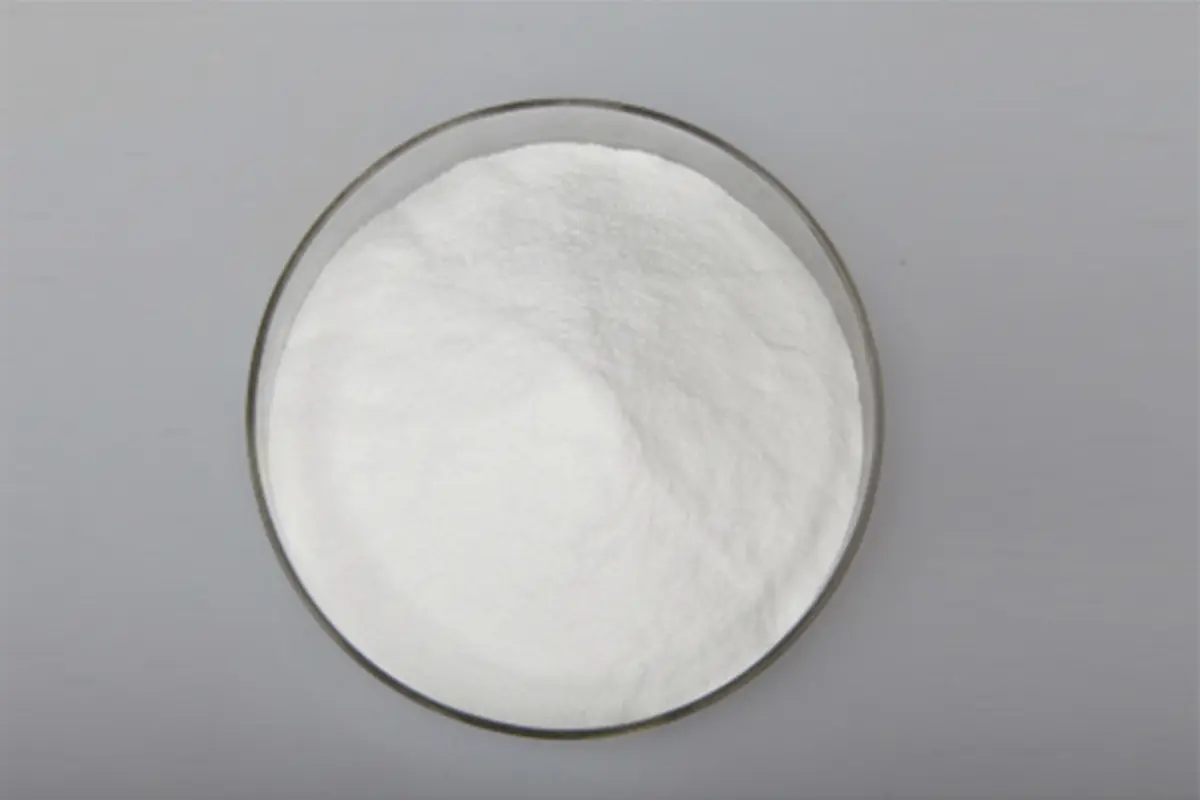
Kalsyòm propionate is the calcium salt of asid propionic. While that sounds like a mouthful of chemistry, it is actually a substance that is closely related to nature. In the industrial world, we produce it by reacting Kalsyòm idroksid ak asid propionic. The result is a white, crystalline powder or granule that is highly soluble in water and has a faint, slightly sweet odor.
Nan kontèks manje, calcium propionate is a food additive known by the code E282 in Europe. It serves a very specific and vital purpose: it is an antimicrobial agent. While it creates a harsh environment for mold, it is essentially a source of calcium and a short-chain fatty acid. This dual nature makes it fascinating. It isn’t just a harsh chemical synthesized in a void; it mimics compounds found naturally in specific environments.
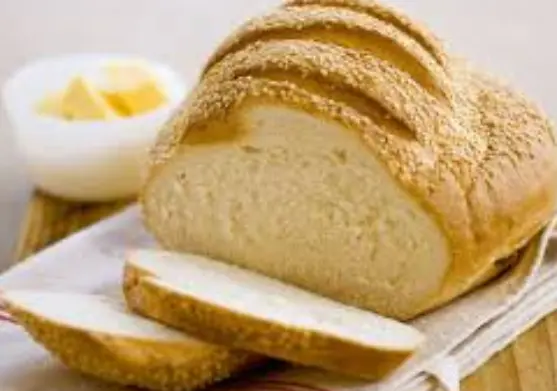
Pou manifaktirè manje, particularly those in the baking industry, this powder is gold. It allows a loaf of bread to travel from a factory, sit on a supermarket shelf, and then rest in your pantry for days without spoiling. Without kalsyòm propionate, commercial bread would essentially be a single-day product, leading to massive food waste.
How Does Propionic Acid Keep Bread Fresh?
To understand how kalsyòm propionate works, we have to look at asid propionic. This organic acid naturally occurs during fèrmantasyon. For example, the holes in Swiss cheese are created by bacteria that produce carbon dioxide and asid propionic. It is this acid that gives Swiss cheese its distinct sharp flavor.
Lè kalsyòm propionate is added to dough, it dissolves and releases asid propionic. This acid penetrates the cells of molds and some bacteria. It disrupts their enzymatic processes and prevents them from metabolizing energy. Essentially, it starves the mold, preventing mold and bacterial growth. This is why calcium propionate extends the shelf life of machandiz kwit nan fou.
It is important to note that while it inhibits mold, it does not significantly hinder the activity of yeast. This is a crucial distinction. Yeast is needed to make the bread rise. If we used a different preservative, like Sodyòm propionate ou Potassium Sorbate, it might interfere with the yeast’s fermentation, resulting in a dense, unappealing loaf. Therefore, kalsyòm propionate se pi pito a Konsèvasyon nan pen, while sodium variants are often saved for chemically leavened items like cakes.
Is Calcium Propionate Safe to Eat According to Regulators?
Safety is the number one concern for my clients, and rightfully so. The consensus among major global health organizations is clear: yes, calcium propionate safe is the verdict. The I Administrasyon Manje ak Medikaman (FDA) classifies it as Jeneralman rekonèt kòm san danje (Gra). This designation is reserved for substances that have a long history of safe use or have been proven safe through scientific testing.
Menm jan tou, Otorite Sekirite Manje Ewopeyen an (Efsa) and the Òganizasyon mondyal pou lasante (WHO) have evaluated kalsyòm propionate. They have not set an Acceptable Daily Intake (ADI) limit "not specified," which typically means the substance acts so much like a food ingredient that limiting it isn’t necessary for safety. Calcium propionate has been extensively reviewed over decades.
When you consume a slice of bread containing this additive, your body dissociates the calcium from the propionate. The calcium is absorbed and used for bone health, just like calcium from milk. The propionate is metabolized like any other asid gra. In fact, your own body produces asid propionic nan la digestive tract when fiber is broken down by bakteri zantray. So, physiologically, the body knows exactly how to handle it.
The Science: How It Inhibits Mold and Bacterial Growth
The mechanism by which kalsyòm propionate works is a battle for resources at a microscopic level. Molds and a specific bacterium called Bacillus mesentericus (which causes a condition in bread known as "rope") thrive in the moist, warm environment of fresh bread. The "rope" condition makes the inside of the bread sticky and stringy—definitely something you want to avoid.
Kalsyòm propionate aji kòm yon produi konsèv by interfering with the electrochemical gradient of the cell membrane of these microorganisms. It forces the organism to use energy to pump protons out of the cell, energy that it would otherwise use for growth and reproduction. By exhausting the mold, kalsyòm propionate effectively puts a stop to the spoilage.
This action is particularly effective against mold and bacterial threats but leaves humans unaffected. The concentration used in food is very low, usually between 0.1% and 0.4% of the flour weight. This small amount is enough to hold off mold for several days, keeping the bread fresh without impacting the taste or texture for the consumer.
The Gut Check: Does It Affect the Gut Microbiome?
In recent years, there has been intense focus on the Mikwòb nan zantray. Consumers are increasingly aware that what they eat affects the trillions of bacteria living in their digestive system. Some people wonder whether calcium propionate disrupts this delicate ecosystem.
Studies suggest that because asid propionic is a natural metabolite produced by bakteri zantray during the fermentation of fiber, the small amounts found in bread and baked goods are generally well-tolerated. It is a short-chain fatty acid (SCFA), a class of compounds that includes butyrate and acetate, which are actually beneficial for gut health.
However, some recent research has sparked debate. A study involving mice and a small number of humans suggested that exceptionally high doses of propionate might lead to insulin resistance. It is crucial to interpret this carefully. The doses used in these studies were often much higher than what a human would get from eating a sandwich. In the context of a balanced diet, the impact on the human gut is considered negligible by regulatory bodies. The benefits of preventing mold and bacterial toxins (which are definitely harmful) generally outweigh the theoretical risks of the additive itself.
Why Food Manufacturers Prefer It Over Other Preservatives
Pou manifaktirè manje, the choice of preservative is dictated by efficacy, cost, and impact on the final product. Kalsyòm propionate checks all the boxes.
- Cost-Effective: Kòm yon Chemical Product Manufacturer, I can attest that it is relatively inexpensive to produce and buy in bulk.
- Neutral Flavor: Unlike vinegar or other strong acids, it doesn’t significantly alter the taste of the bread when used correctly.
- Yeast Compatibility: As mentioned, it allows yeast to do its job during the rising process.
Alternatives exist, but they have drawbacks. Potassium sorbate, for instance, is a potent preservative, but it can sometimes inhibit yeast activity, resulting in smaller loaves. Sodium propionate is another option, but adding extra sodium is something many manufacturers try to avoid due to health concerns regarding salt intake.
Therefore, kalsyòm propionate remains the industry standard. It helps reduce food waste by ensuring that the energy, water, and labor that went into making the bread don’t end up in a landfill just because of a little mold spot after two days.
Understanding the Source: Natural vs. Synthetic
It is easy to label E282 as "artificial," but the line is blurry. Asid propionic è found naturally nan anpil manje. It is in types of cheese, butter, and even naturally fermented products. When you see "cultured wheat" or "cultured whey" on a label, it often means the manufacturer has used a fermentation process to create natural propionates in situ.
However, to meet global demand, kalsyòm propionate è also produced synthetically. The chemical structure of the synthetic version is identical to the natural version. The body cannot tell the difference. Whether the propionate comes from a lab or a wheel of Swiss cheese, it is chemically the same asid gra.
The primary difference lies in purity and consistency. Synthetic production allows us to create kalsyòm propionate that is free from impurities and has a consistent particle size, which is crucial for commercial baking. It ensures that every batch of dough receives the exact protection it needs.
Potassium Sorbate vs. Calcium Propionate: What’s the Difference?
Buyers often ask about the difference between kalsyòm propionate and other preservatives like Potassium Sorbate. While both are konsèrvativ, they target different organisms and are used in different foods.
- Calcium Propionate: Best for yeast-leavened bakery products (bread, rolls, pizza dough). It targets mold and "rope" bacteria but spares yeast.
- Potassium Sorbate: Best for chemically leavened products (cakes, muffins, tortillas) and high-moisture foods like cheese and dips. It is very effective against yeast and mold.
If you put sorbate potasyòm in your bread dough, the bread might not rise because the sorbate will fight the yeast. Conversely, if you use kalsyòm propionate in a high-sugar cake, it might not be strong enough to stop the specific molds that love sugar. Sodium propionate is the middle ground, often used in cakes because calcium can sometimes interfere with chemical leavening agents (baking powder).
Understanding these nuances is key for a procurement officer like Mark. Choosing the wrong preservative can lead to production failures or a product that spoils too quickly.
Handling and Storage: Tips for Industry Buyers
If you store calcium propionate correctly, it is a very stable compound. However, because it is a salt, it can be hygroscopic, meaning it attracts water. If left exposed to high humidity, it can clump, making it difficult to mix evenly into flour.
For my clients, I always recommend storing the bags in a cool, dry place. The integrity of the packaging is vital. If the material absorbs moisture, it doesn’t necessarily spoil, but it becomes harder to handle in automated dosing systems.
Furthermore, it acts as a fine powder. Workers handling large quantities should use standard protective gear, like masks, to avoid inhaling the dust, which can be irritating. From a logistics standpoint, it has a long shelf-life, making it an excellent candidate for international shipping from China to markets in North America or Europe.
Natural Alternatives: Can Sourdough Replace Additives?
There is a growing trend of consumers who want to avoid additives entirely. This has led to a resurgence in pen sourdough. Sourdough uses wild yeast and lactobacillus bacteria. During the long fèrmantasyon of sourdough, these bacteria produce naturally occurring organic acids, including acetic acid (vinegar) and, yes, asid propionic.
This is why traditional sourdough bread stays fresher for longer than standard homemade yeast bread, even without added chemicals. The bread preserves itself naturally. Cultured wheat flour is another industrial solution that mimics this. It is wheat flour that has been fermented to produce organic acids and then dried. It allows manufacturers to list "cultured wheat flour" on the label instead of "calcium propionate," which sounds more "clean label" to consumers.
However, for mass-produced sandwich bread that needs to stay soft and mold-free for two weeks, natural methods alone are often insufficient or too inconsistent. This is why kalsyòm propionate remains the king of the bread aisle.
Are There Side Effects or Reasons You Want to Avoid It?
Pandan calcium propionate safe is the general rule, are there exceptions? Some anecdotal claims suggest that calcium propionate causes headaches or migraines in a very small percentage of the population. Some parents believe it contributes to behavioral issues in children, similar to the debates around artificial food dyes.
However, scientific studies have not consistently backed up these claims. It is generally considered that people are sensitive to many things, and fermented foods (rich in natural propionates) often trigger migraines in sensitive individuals due to amines, not necessarily the propionate itself.
That said, if you notice you feel unwell after eating commercial bread but feel fine eating artisanal sourdough, you might be sensitive to one of the many ingredients in industrial bread, or you simply digest the long-fermented grains better. For the vast majority of the population, kalsyòm propionate is a harmless additive that ensures our food supply is stable and safe.
Kle takeaways sonje
- Kalsyòm propionate is a salt formed from asid propionic and calcium, used primarily to inhibit mold in machandiz kwit nan fou.
- It functions by disrupting the energy metabolism of mold and specific bacteria, preventing them from growing on your bread.
- Kò regilasyon tankou la FDA ak WHO classify it as Gra (Generally Recognized as Safe) ak safe to eat.
- Asid propionic is a natural substance found in cheese and produced by your own Mikwòb nan zantray.
- It is preferred in bread making because, unlike sorbate potasyòm, it does not interfere with yeast fermentation.
- While natural alternatives like sourdough exist, kalsyòm propionate is critical for reducing food waste in the commercial food supply chain.
- The body metabolizes it easily as a asid gra and a source of calcium.
- Sensitivities are rare, but anecdotal reports of headaches exist; however, these are not widely supported by clinical data.
Post time: Nov-27-2025