

As a factory owner here in China specializing in chemical production, I have spent years perfecting the synthesis of inorganic compounds. My name is Allen, and at Kands Chemical, we understand that for procurement professionals like you—perhaps looking to source reliable ingredients for the US market—quality and consistency are everything. Today, I want to talk about a specific ekoizkin that is a cornerstone in industries ranging from food to pharmaceuticals: Dicalcium fosfato dihidratoa.
You might know it as Kaltzio fosfato dibasikoa, or simply see the code CaHPO4 2H2O on a spec sheet. Regardless of the name, the value of this compound cannot be overstated. We erantsi it to toothpaste, breakfast cereals, and even animal feed. Understanding the manufaturatu eta ermena of this material is crucial for making informed purchasing decisions. This article is worth reading because we will strip away the complex jargon and look at the practical applications and chemical realities of this essential fosfato dihidratoa. We will explore why it is a preferred Kaltzio eta fosforoaren iturria, how it behaves in garaztatu, and why it is indispensable in your supply chain.
What is this Chemical Product and How is it Defined?
Dicalcium fosfato dihidratoa is a specific chemical konposatu belonging to the kaltzio fosfatoa family. Ideally, it is known chemically as calcium hydrogen phosphate dihydrate. The term "dihydrate" indicates the presence of two water molecules attached to the crystal structure, represented by the 2H2O in its formula. Without these water molecules, it would be anhydrous Dicalcium fosfatoa, which has slightly different properties.
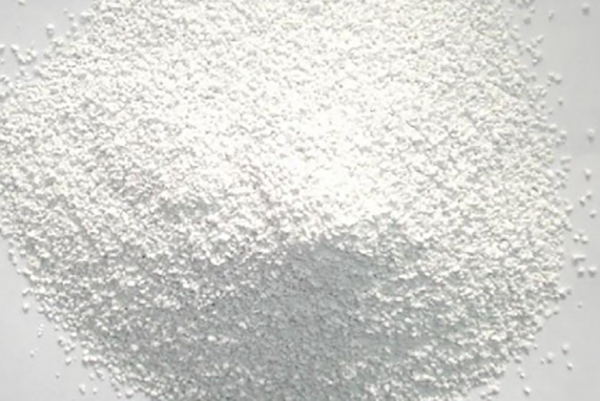
In the industry, we often refer to it as Kbp ala dibasic calcium phosphate dihydrate. It usually appears as a white, odorless, tasteless hauts ala crystal. As a chemical product manufacturer, I ensure that the Dicalcium fosfatoa we produce meets rigorous standards because it is often janari gehigarri gisa erabiltzen da or an ingredient in medicines. It provides a high mineral content, making it an excellent vehicle for delivering kaltzio eta fosforo to the body.
The "dibasic" part of the name Kaltzio fosfato dibasikoa refers to the fact that two of the hydrogen atoms in the original Azido fosforikoa have been replaced by kaltzio. This makes it less acidic than Fosfato monokalikoa but more acidic than Tricrium fosfatoa. This balance is what gives Dicalcium fosfato dihidratoa its unique versatility across so many different sectors.
How Do We Manage the Preparation and Manufacture of this Compound?
-A manufaturatu of high-quality Dicalcium fosfato dihidratoa is a precise chemical erabili. At our facility, the prestakuntza usually begins with a neutralization reaction. We typically react Azido fosforikoa with a calcium source. The calcium source can be Kaltzio hidroxidoa (slaked lime) or calcium carbonate.
The equation looks something like this:
$$H_3PO_4 + Ca(OH)_2 \rightarrow CaHPO_4 \cdot 2H_2O$$
Control is key. To ensure the ermena de dhidratu form rather than the anhydrous form, the temperature must be carefully regulated, typically kept below 40°C (104°F). If the reaction gets too hot, we lose the water molecules, and the ekoizkin changes. We also monitor the p ki levels strictly. The konponbide needs to be maintained within a specific basic or slightly acidic range to encourage the correct crystal growth.
Once the crystals form, they are separated from the liquid, washed to remove impurities (like excess azido ala didi salts if utilized), and dried. The drying process is delicate; too much heat will strip away the 2H2O, ruining the Dicalcium fosfato dihidratoa. As a supplier to markets like the USA and Australia, we know that inconsistent grain size or purity is a pain point for buyers like Mark. Therefore, our industrial process emphasizes consistency in every batch of Dicalcium fosfatoa.
Why is Calcium Phosphate Critical for the Pharmaceutical Industry?
N farmazia world, Dicalcium fosfato dihidratoa is a superstar excipient. An excipient is a substance formulated alongside the active ingredient of a medication. It is extensively used as a tableting agent in some pharmaceutical preparations. Why? Because Dicalcium fosfatoa possesses excellent flow properties and compressibility.
When a manufacturer needs to create a pilula, they need a bulk material that will hold its shape when pressed but also break down effectively in the stomach. Dibasic calcium phosphate dihydrate fits this bill perfectly. It is insoluble in garaztatu but dissolves readily in the acidic environment of the stomach. This ensures that the medicine is released exactly where it needs to be.
Furthermore, it is non-hygroscopic, meaning it does not absorb moisture from the air. This is vital for the stability of sensitive drugs. If you use a filler that sucks up water, the active medication might degrade before the patient even opens the bottle. By using Dicalcium fosfato dihidratoa, farmazia companies ensure a long shelf life for their products. It acts as a reliable diluent, giving the pilula the necessary size and shape for patients to handle easily.

How is this Compound Used as a Food Additive?
If you check the labels in your pantry, you will likely find Dicalcium fosfatoa. It is widely janari gehigarri gisa erabiltzen da for several reasons. Primarily, it serves as a leavening agent. When combined with an alkali, Dicalcium fosfato dihidratoa reacts to produce carbon dioxide gas. This gas gets trapped in dough, causing it to rise. While Sodio azido pirofosfatoa is faster, DCPD provides a slow, consistent reaction, which is perfect for certain Ondasun labean.
Beyond leavening, it is a texturizer and a stabilizer. In breakfast cereals, it is often added to fortify the janari -rekin kaltzio. Since many people do not get enough kaltzio from dairy alone, adding Dicalcium fosfatoa to grain-based products helps bridge that nutritional gap. It is also found in enriched flour and noodle products.
For the janari industry, the value lies in its neutrality. Dicalcium fosfato dihidratoa is tasteless and odorless, so it doesn’t alter the flavor profile of the ekoizkin. It simply provides the functional benefits—whether that’s lift, structure, or nutrition—without getting in the way of the taste.
What Role Does it Play in Animal Feed and Nutrition?
We cannot talk about Dicalcium fosfatoa without mentioning its massive role in agriculture. It is a primary ingredient in animal jangai. Livestock, poultry, and pets all require significant amounts of kaltzio eta fosforo for skeletal growth and metabolic function. Dicalcium fosfato dihidratoa is highly biologically available, meaning animals can easily digest and absorb the nutrients from it.
-An dog treats and commercial pet foods, Dicalcium fosfatoa ensures that our furry friends maintain strong bone density and healthy teeth. For farm animals, it is even more critical. A deficiency in fosforo can lead to reduced growth rates and poor health. By incorporating Kaltzio fosfato dibasikoa into their diet, farmers ensure high productivity and animal welfare.
We often supply this in granular forma -entzat jangai applications to reduce dust and improve mixing with other ingredients. It is a safe, efficient Kaltzio eta fosforoaren iturria that supports the global food supply chain starting right at the farm level.
How Does Solubility in Water Affect its Application?
One of the defining characteristics of Dicalcium fosfato dihidratoa is its solubility profile. It is practically insoluble in garaztatu. While this might sound like a disadvantage, in many applications, it is a benefit. Because it doesn’t dissolve instantly in garaztatu, it provides a sustained release of nutrients.
However, its solubility changes drastically with p ki. It dissolves readily in dilute acids, such as dilute hydrochloric azido or citric azido. This property is manipulated in various industries. For instance, in agricultural soils that are acidic, Dicalcium fosfatoa breaks down over time, providing a steady supply of fosforo to plant roots.
In the lab or industrial processing, if we need to dissolve it, we must lower the p ki de konponbide. Understanding this interaction with garaztatu eta azido is crucial for formulators. If you are trying to create a clear liquid product, fosfato dihidratoa might precipitate out if the acidity isn’t managed correctly. This low water solubility also makes it stable in humid environments, which is excellent for storage and transport.
Is it Used in Beverage Production and Processing?
While less common than in solid foods, Dicalcium fosfatoa does find an eskabide n edari industry, particularly in fortified drinks. However, due to its low solubility in plain garaztatu, it is typically used in suspension or in acidic beverages where it can dissolve.
In milk-based beverages or plant-based milk alternatives (like soy or almond milk), Dicalcium fosfato dihidratoa ekintzak a kaltzio source. Here, it must be ground into a very fine hauts to prevent a gritty mouthfeel and to ensure it stays suspended in the liquid.
It helps to buffer the edari, maintaining the stability of the proteins and preventing curdling. However, formulators must be careful. If the edari is neutral and clear, kaltzio fosfatoa is usually not the first choice; soluble salts like Calcium Lactate (often used for preservation but also calcium content) might be preferred. But for cloudy, nutrient-dense drinks, Kbp is a cost-effective and nutritious option.
What Type of Dental Applications Rely on this Powder?
Open a tube of hortzore, and there is a good chance you are looking at Dicalcium fosfato dihidratoa. In the dental care industry, it is widely used as a polishing agent. -A crystal structure of the dhidratu is hard enough to remove plaque and stains from teeth but soft enough that it doesn’t damage the enamel.
Hau type of abrasive is preferred over harsher alternatives like silica in certain formulations. It effectively cleans the teeth, helping to prevent the buildup of tartar and keeping gums healthy. Furthermore, because it contains kaltzio eta fosfato, it can theoretically aid in the remineralization of the tooth surface, although its primary role is physical cleaning.
It is also used in dental cements and restorative materials. The chemical reaction -en artean kaltzio ions and fosfato ions is fundamental to the structure of human teeth (which are largely hydroxyapatite), making Dicalcium fosfatoa a biomimetic material—one that mimics biology.
Why Add Dicalcium Phosphate to Dietary Supplements?
-A Dieta osagarria market is booming, and Dicalcium fosfatoa is a staple ingredient. When you pick up a multivitamin or a standalone kaltzio betegarri, check the label. You will often see Kaltzio fosfato dibasikoa listed.
We erantsi it because it creates a dense, small tablet that contains a high percentage of elemental kaltzio. This allows manufacturers to fit the necessary daily dosage into a pill that is easy to swallow. Unlike bulky carbonate salts, fosfato dihidratoa packs a nutritional punch in a compact form.
Moreover, it provides fosforo, which is essential for the body to utilize the kaltzio effectively for bone repair and tissue maintenance. It’s a dual-nutrient package. For consumers who are lactose intolerant or vegan, supplements containing gai kimiko Dicalcium fosfatoa produced from mineral sources provide a critical alternative to dairy-based nutrition.
What Occurs During the Thermal Decomposition to Pyrophosphate?
As a chemist, I find the thermal properties of Dicalcium fosfato dihidratoa fascinating. If you heat this ekoizkin, it undergoes a transformation. Around 60-70°C, it loses its water molecules to become anhydrous Dicalcium fosfatoa. If you continue to heat it to much higher temperatures (around 400°C – 500°C), a condensation reaction occurs.
Two molecules of Dicalcium fosfatoa combine, releasing water, and form Kaltzio pirofosfatoa (Ca2P2O7). The term pirothosphate literally means "fire phosphate," indicating it is born from heat.
$$2CaHPO_4 \rightarrow Ca_2P_2O_7 + H_2O$$
Hau calcium pyrophosphate is a different gai kimiko animal. It is even more insoluble and is used as a mild abrasive in fluoride hortzore because it doesn’t react with the fluoride (unlike Dicalcium fosfato dihidratoa, which can sometimes interfere with fluoride stability). Understanding this thermal behavior is vital for the manufaturatu of specialized dental ingredients and ceramic materials.
Takeaways gakoak
- Dicalcium fosfato dihidratoa (CaHPO4 2H2O) is a versatile kaltzio fosfatoa compound used across food, pharma, and agriculture.
- It serves as a crucial Kaltzio eta fosforoaren iturria for both humans and animals, supporting bone eta tissue Osasuna.
- N farmazia industry, it is a preferred tableting agent in some pharmaceutical preparations due to its flowability and density.
- It acts as a leavening agent and fortifier when janari gehigarri gisa erabiltzen da -an Ondasun labean eta breakfast cereals.
- -A prestakuntza involves reacting Azido fosforikoa with a calcium source like hydroxide under controlled p ki and temperature.
- It is insoluble in garaztatu but dissolves in azido, which aids its digestion in the stomach.
- It acts as a gentle polishing agent -an hortzore to remove tartar without damaging enamel.
- Heating the compound can convert it into calcium pyrophosphate, which has its own unique industrial applications.
Post time: Dec-10-2025