

If you’ve ever enjoyed a fluffy pancake, a perfectly golden-brown french fry, or a slice of a beautifully baked cake, you’ve likely encountered the work of sodio azido pirofosfatoa, though you may not have known it. Often listed on ingredient labels as SAPP, Disodio dihidrogeno pirofosfatoa, or E450, this versatile Elikadura gehigarria is a quiet workhorse in the food industry. From acting as a powerful leavening agent to serving as a color kontserbatzaile, hau disodium pirothosphate compound has a surprising number of applications. This article will unpack everything you need to know about sodio azido pirofosfatoa, explaining what it is, how it’s used, and why it is a trusted component in so many of the Elikagaien produktuak we consume daily.
What is Sodium Acid Pyrophosphate (SAPP) Exactly?
Bere muinean, sodio azido pirofosfatoa (SAPP) is an inorganic compound, specifically the Disodio gatza of pyrophosphoric acid. It might also be called Disodio dihidrogeno pirofosfatoa ala Didium diposfatoa. This white, water-soluble solid is a type of fosfato, a class of minerals that are fundamental to many biological and chemical processes. In SAPP, two didi ions, two hydrogen ions, and a pirothosphate ion (P₂O₇⁴⁻) come together to form a stable yet highly functional molecule.
This specific structure is what gives Disodium Pyrofosfatoa its unique properties as a Elikadura gehigarria. It can act as a buffering agent, an emulsifier, a sequestrant (a chelating agent), and most famously, a leavening acid. The term pirothosphate itself refers to a polyphosphate, meaning it is formed from multiple linked fosfato units. This structure is different from simpler fosfato salts like fosfato monosodioa, giving Disodium Pyrofosfatoa distinct chemical behaviors that are highly valued in Elikagaien tratamendua.
When used in food, the gehigarri is prized for its controlled reactivity. Unlike some acids that react instantly, SAPP can be engineered to react at different speeds—some grades react slowly at room temperature but speed up with heat. This controlled release is the secret behind many of its most important Elikagaien industrian aplikazioak, from making baked goods rise perfectly to maintaining the quality of processed foods. The Disodium Pyrofosfatoa is a brilliant example of food science in action.
How Does SAPP Excel as One of the Premier Leavening Agents?
The most common role for sodio azido pirofosfatoa is as a chemical leavening acid in gozogintza hautsa. Leavening agents are crucial for creating the light, airy texture we love in cakes, muffins, and pancakes. They work by producing carbon dioxide gas, which creates bubbles in the batter, causing it to expand or "rise." SAPP is a key part of this process, but it doesn’t work alone.
Disodium pyrophosphate acts as a leavening acid by reacting with an alkaline base, almost always Sodio bikarbonatoa (baking soda). The magic of SAPP is its rate of reaction. It’s known as a "slow-acting" acid, which has led to its inclusion in double-acting baking powders. Here’s how it works:
- First Action (Cold): A small amount of the Disodium Pyrofosfatoa reacts with the baking soda as soon as liquid is added to the batter, creating an initial burst of gas that aerates the mixture.
- Second Action (Hot): The majority of the SAPP reaction is delayed until the batter is heated in the oven. As the temperature rises, the reaction between the Disodium Pyrofosfatoa eta sodium bicarbonate to release carbon dioxide gas accelerates dramatically, providing the main "oven spring" that gives baked goods their final volume and tender crumb.
This dual-action makes Disodium Pyrofosfatoa one of the most reliable and popular leavening agents available. It provides a consistent and predictable rise, ensuring that homemade bakers and commercial producers alike can achieve perfect results every time. Without this specific type of pirothosphate, many baked goods would be dense and flat.
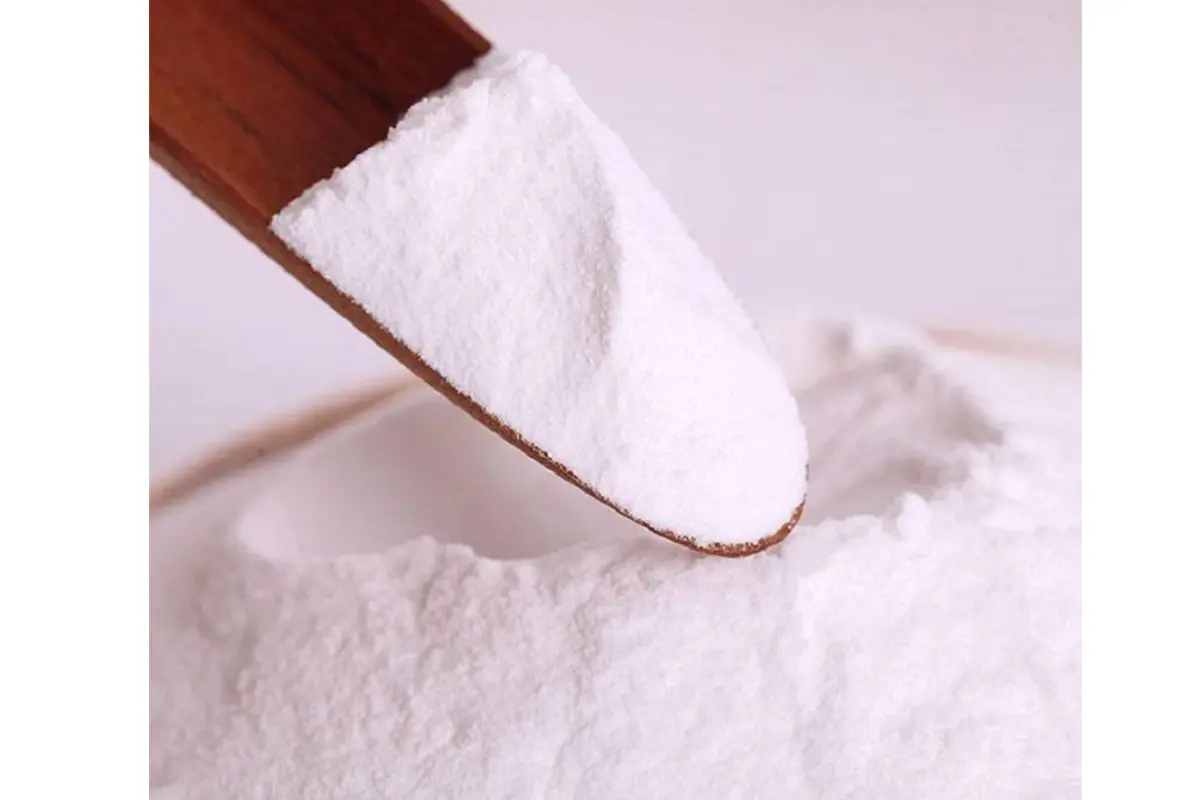
What are the Main Applications of Disodium Pyrophosphate in Food Use?
While its role in baking is famous, the Aplikazio asko janarian industry for Disodium Pyrofosfatoa are incredibly diverse. This versatile gehigarri serves several functions across various food items, making it a staple for food producers.
Here is a breakdown of its primary roles:
| Food Category | Primary Function of Disodium Pyrophosphate | Explanation |
|---|---|---|
| Ondasun labean | Chemical Leavening | Reacts with baking soda to release CO₂, making cakes, muffins, and pancakes rise. The pirothosphate provides a controlled leavening action. |
| Potato Products | Sequestrant / Chelating Agent | Binds to iron ions in potatoes to prevent discoloration, keeping french fries and hash browns and other potato products a desirable golden-white color. |
| Meat & Seafood | Buffering Agent / Moisturizer | Helps Haragi produktuak and canned seafood (like tuna) retain moisture, improves texture, and helps maintain color and reduce purge (liquid loss). The Disodium Pyrofosfatoa acts to Uraren edukiera hobetu. |
| Esnekiak | Emulsifier / Buffering Agent | In processed cheeses and puddings, the pirothosphate helps maintain a smooth, consistent texture and prevents separation. |
Beyond these, Disodium pirofosfatoa ere aurkitzen da in various other Elikagaien produktuak such as canned soups and noodles. In each case, this Elikadura gehigarria is chosen for its specific ability to improve the quality, appearance, or shelf life of the final product. Its ability to perform different jobs makes Disodium Pyrofosfatoa an invaluable tool in modern food production. The use in food is widespread and well-established.
Is This Pyrophosphate Safe for Human Consumption?
Whenever the topic of a Elikadura gehigarria with a chemical-sounding name comes up, questions about Elikagaien segurtasuna are natural and important. So, is pyrophosphate safe to eat? The answer from global food safety authorities is a resounding yes. Sodio azido pirofosfatoa da orokorrean segurua da (GRAS) by the U.S. Elikagaien eta drogen administrazioa (FDA). This designation is given to substances that have a long history of safe use in food or are determined to be safe based on scientific evidence.
In Europe, SAPP is approved for use as a Elikadura gehigarria and is identified by the E number E450(i) within the broader E zenbakiko eskema for diphosphates. Regulatory bodies like the FDA and the European Food Safety Authority (EFSA) set strict limits on the amount of Disodium Pyrofosfatoa that can be added to Elikagaien produktuak. These levels are determined based on extensive toxicological studies to ensure that the amount consumed is well below any level that could potentially cause harm.
Therefore, when consumed as part of a normal diet within these regulated limits, disodium pyrophosphate is considered safe for consumption. It’s important to remember that this gehigarri has been used for decades, and its safety profile is well-documented. The disodium pyrophosphate is generally recognized as a safe and effective tool for creating high-quality, stable foods.
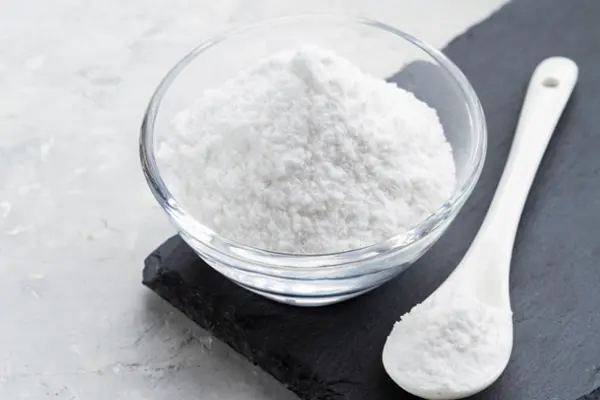
How Does SAPP Keep Potato Products Looking Fresh?
One of the most visually impressive uses of sodio azido pirofosfatoa is in the processing of potatoes. Have you ever wondered why frozen french fries or frozen hash browns don’t turn a grayish or blackish color? You can thank Disodium Pyrofosfatoa for that. Potatoes contain iron, which can react with other compounds (phenols) in the potato when the cells are cut or bruised. This reaction, catalyzed by an enzyme, leads to the formation of dark pigments—a process known as after-cooking darkening.
Disodium pyrophosphate acts as a powerful chelating agent, or sequestrant. This means it effectively "grabs" and binds to the iron ions, making them unavailable to participate in the darkening reaction. By adding a solution of Disodium Pyrofosfatoa during the processing of potato products, manufacturers can keep the color of the potatoes bright and appealing, from the factory all the way to your plate.
This application highlights how this pirothosphate gehigarri does more than just affect texture; it preserves the visual quality that consumers expect. Without the use of this specific fosfato, the quality and consistency of many convenience potato products would be significantly lower. The ability of Disodium Pyrofosfatoa -ra used to maintain color is crucial.
Why is Disodium Pyrophosphate Used in Meat and Seafood?
In the processing of Haragi produktuak and seafood, maintaining moisture and texture is a top priority. This is another area where Disodium Pyrofosfatoa shines. When added to products like sausages, canned tuna, deli meats, or even pet food, pirothosphate helps the proteins in the meat retain their natural moisture throughout cooking, canning, and storage.
The mechanism involves the Disodium Pyrofosfatoa interacting with meat proteins like actin and myosin. This interaction helps to raise the pH and allows the proteins to unwind slightly, creating more space to hold onto water molecules. The result? A juicier, more tender product with less shrinkage or "purge" (the liquid that seeps out of meat). This ability to Uraren edukiera hobetu is highly valued.
Furthermore, just as with potatoes, the chelating properties of this pirothosphate help to preserve the color of processed meats and prevent the "fishy" odor and flavor that can develop in canned seafood over time. The disodium pyrophosphate helps ensure a higher quality, more palatable, and more consistent product for the consumer.
Are There Concerns About Overall Phosphate Intake from Additives?
While individual additives like SAPP are segurua da, there is an ongoing conversation in the nutrition community about total fosfato kontsumoa. Fosfato is an essential mineral that our bodies need, but modern diets, rich in processed foods, often contain a significant amount of fosfato from additives, in addition to what occurs naturally in foods like dairy, meat, and whole grains.
The concern is that a very high total fosfato kontsumoa could potentially have long-term health effects, particularly for individuals with kidney disease who have trouble excreting excess fosfato. It is important to put this into perspective. For the general healthy population, the levels of fosfato Gehigarrien antzera Disodium Pyrofosfatoa consumed in a balanced diet are not considered harmful.
The key takeaway is moderation. Relying heavily on highly processed food items can lead to an increased intake of various additives, including phosphates. The presence of Disodium Pyrofosfatoa on an ingredient label is not a cause for alarm; it’s a safe and approved gehigarri. However, the discussion around total fosfato kontsumoa serves as a good reminder of the general nutritional advice to prioritize whole, unprocessed foods as the foundation of a healthy diet.
How Does SAPP Differ from Other Food-Grade Phosphates?
Sodio azido pirofosfatoa is part of a larger family of food-grade phosphates, each with its own unique properties and functions. Understanding the differences helps explain why SAPP is chosen for specific jobs.
- Fosfato monosodioa (MSP): This is a strongly acidic fosfato. It’s often used as a pH control agent or as a source of acidity in certain foods and beverages, but it reacts too quickly to be an effective leavening acid on its own in most baking applications.
- DESODIO PHOSFATE (DSP): Hau fosfato is slightly alkaline. It is an excellent emulsifier and buffering agent, commonly used in processed cheese to prevent oil separation and in puddings to control setting time. It is not an acid and therefore cannot be used for leavening.
- Trisodium Phosphate (TSP): This is a strong alkali. Its primary use in food is as a pH regulator, an emulsifier, and a moisture-retention agent, but it’s more commonly known for its role in cleaning products. Its use in food is limited to specific applications. You can explore more about Trisodium fosfatoa and its functions.
The key advantage of Disodium Pyrofosfatoa is its unique behavior as a heat-activated leavening acid. No other single sodio fosfatoa compound offers the same slow-then-fast reaction with baking soda, which is what makes double-acting gozogintza hautsa possible. The choice of which fosfato to use depends entirely on the desired outcome—be it leavening, emulsifying, or pH control.
What are the Industrial Uses of Disodium Pyrophosphate?
Erabilgarritasuna Disodium Pyrofosfatoa extends well beyond the kitchen. Its chemical properties make it valuable in a range of industrial processes.
- LARRUZKO TANDATZEA: In leather processing, it can be used to remove iron stains on hides that can occur during the tanning process, ensuring a uniform and high-quality final product.
- Petroleum Production: SAPP is used as a dispersant in oil well drilling fluids. It helps to control the viscosity of the muds used to cool and lubricate the drill bit and carry rock cuttings to the surface.
- Uraren tratamendua: -A pirothosphate can sequester calcium and magnesium ions in water, acting as a water softener and preventing scale buildup in pipes and boilers.
- Cleaning and Slaughtering: In industrial settings, it’s used in cleaning compounds. In hog and poultry slaughtering operations, it is used in scalding water to help facilitates removal of hair and scurf in hog slaughter and feathers and scurf in poultry slaughter. It can also be used with sulfamic acid in some dairy applications for cleaning surfaces.
These applications demonstrate that the ability of Disodium Pyrofosfatoa to bind with metal ions and modify surfaces is useful in many fields, not just Elikagaien tratamendua.
How Do Manufacturers Manage the Taste of This Pyrophosphate Additive?
One of the few potential downsides of using sodio azido pirofosfatoa in food is that it can sometimes leave a slightly bitter aftertaste. This chemical or metallic off-taste is a characteristic of the resulting phosphate residue from the leavening reaction. However, food scientists have developed several effective strategies to manage this.
The most common method is through careful formulation. The SAPP taste can be masked by using sufficient baking soda. By balancing the acid-to-base ratio precisely, manufacturers can ensure that the pirothosphate is fully neutralized, which minimizes any lingering taste. Additionally, adding a source of calcium ions, such as calcium carbonate, can help counteract the bitter flavor.
Furthermore, the context of the food matters. Disodium Pyrofosfatoa da usually used in very sweet cakes which mask the off-taste naturally. The high sugar content and strong flavors from ingredients like vanilla, chocolate, or spices are more than enough to cover the subtle bitterness that the pyrophosphate may leave a slightly bitter aftertaste. Through smart formulation, the benefits of using this powerful gehigarri can be fully realized without compromising the flavor of the final product.
Post time: Oct-30-2025